
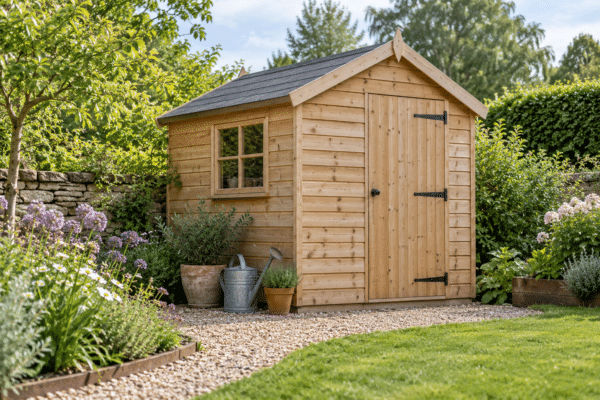
A Complete Buying Guide to Sheds
Choose the right garden shed with our UK buying guide to sizes, wood, metal and resin, bases, assembly and four Amazon UK storage options.

Choose the right garden shed with our UK buying guide to sizes, wood, metal and resin, bases, assembly and four Amazon UK storage options.
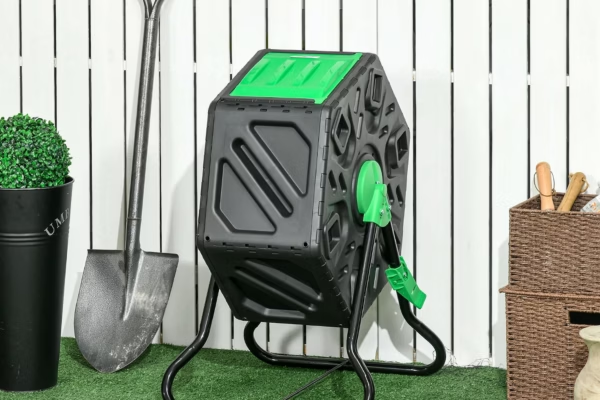
From our garden · 12 months of use A year of turning scraps into something useful A closer look inside my Outsunny 65L tumbler: kitchen peelings, garden waste and the material gradually breaking down beneath them. Read my verdict ↓ Inside the bin: fresh additions and older material together. Used for 12 monthsPurchased for the…

Getting electricity to the far end of a large garden, an allotment or a remote shed isn’t always straightforward. You could run extension cables. You could install a permanent electrical supply. Or you could generate and store the electricity where you actually need it. That’s where large portable power stations such as the AFERIY 3600W…

If you’ve got a medium to large lawn, there’s a point where pushing a small mower around every weekend starts to feel like unnecessarily hard work. That’s exactly the sort of garden the Cobra MX484SPCE is designed for. This is a substantial 48cm petrol lawnmower with a 173cc Cobra engine, electric starting and a four-speed…
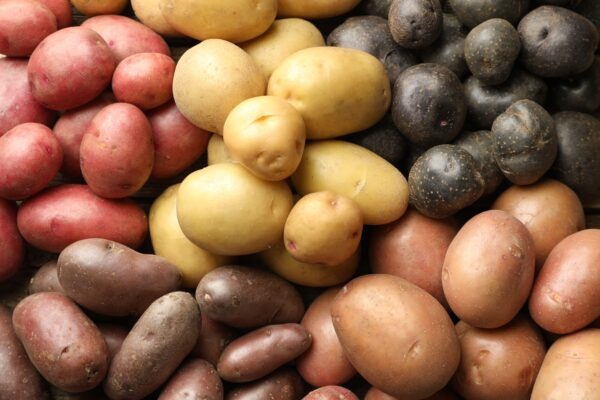
Gardeners Guide · Grow your own Choosing potatoes to grow can be surprisingly confusing. Walk into a garden centre in late winter and you’ll find bags of seed potatoes labelled first early, second early and maincrop, alongside familiar names such as Maris Piper, King Edward and Charlotte. So which should you choose? The answer depends…
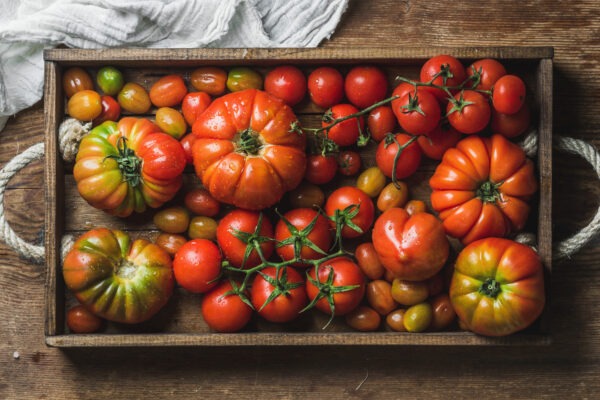
Gardeners Guide · Grow your own Walk into a garden centre or start browsing tomato seeds online and you’ll quickly discover that choosing a tomato isn’t as simple as picking “tomato seeds.” There are hundreds of varieties. Cherry tomatoes. Plum tomatoes. Beefsteaks. Bush tomatoes. Cordon tomatoes. Outdoor varieties. Greenhouse varieties. For a beginner, it can…
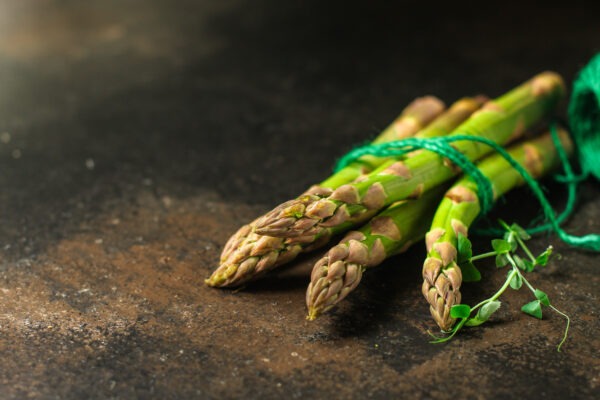
Gardeners Guide · Grow your own Asparagus isn’t the quickest vegetable you’ll ever grow, but it might be one of the most rewarding. Unlike carrots, lettuce or peas, which are planted and harvested within a single season, asparagus is a perennial vegetable. Plant it once, look after the bed properly, and established plants can produce…
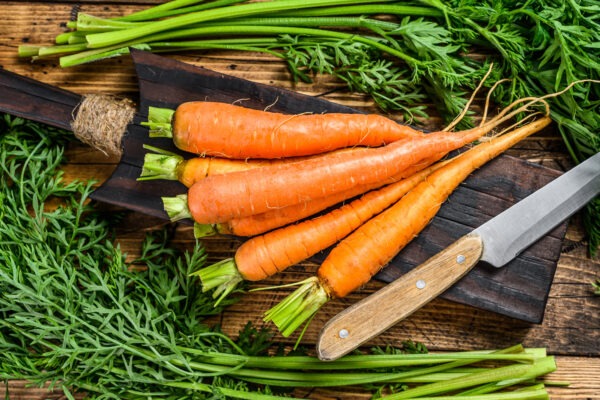
Gardeners Guide · Grow your own Carrots are one of the most useful vegetables to grow at home, and with a little planning you can harvest them for much more of the year than you might expect. The secret isn’t planting one enormous row of carrots. Instead, make small, regular sowings from late winter through…
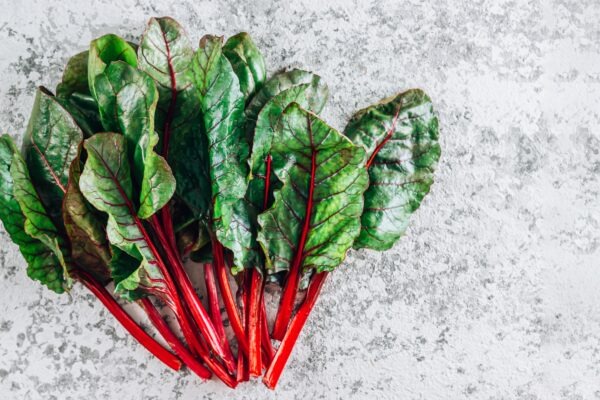
Gardeners Guide · Grow your own Swiss chard is one of the most underrated vegetables for an autumn and winter garden. It’s easy to grow, productive, attractive and much tougher than its colourful stems might suggest. Established plants can continue producing leaves through autumn and, in milder parts of the UK, well into winter. In…
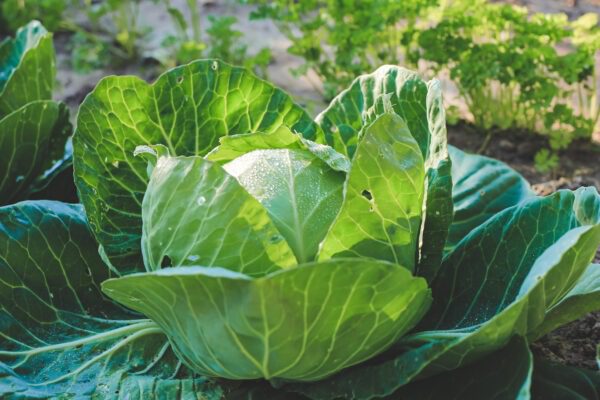
Gardeners Guide · Grow your own Spring cabbage is one of the best crops for keeping your vegetable garden productive between winter and the start of the new growing season. Despite its name, spring cabbage isn’t normally sown in spring. It’s usually sown in late summer, planted out during autumn and left outside through winter…
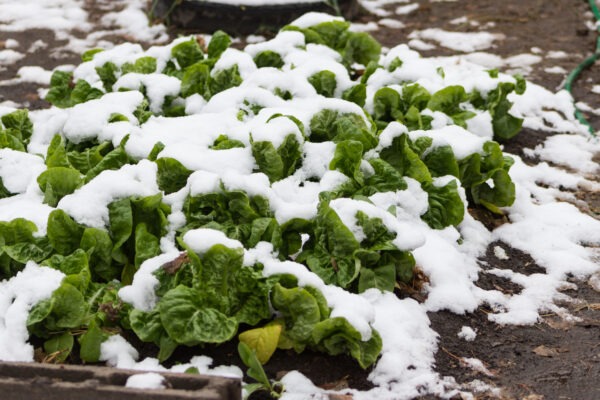
Gardeners Guide · Grow your own Lettuce might seem like a summer crop, but with the right varieties and a little protection, you can harvest fresh leaves well into autumn and winter. Winter lettuce is ideal for gardeners who want to keep producing food when the main summer crops have finished. The key is to…
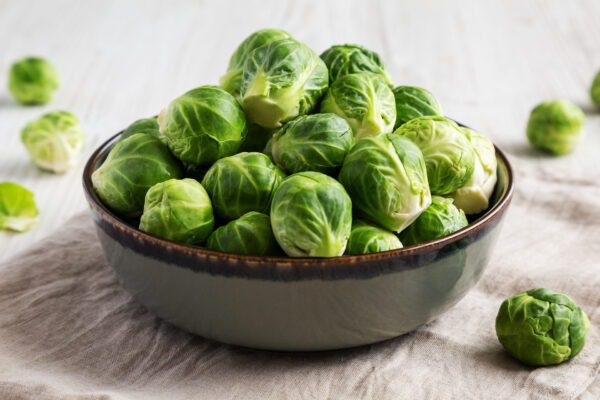
Gardeners Guide · Grow your own Brussels sprouts are one of the classic vegetables of the British winter garden. They’re hardy, productive and perfectly suited to cold weather. In fact, sprouts often taste better after they’ve experienced a few frosts. But if you want home-grown Brussels sprouts for Christmas dinner, you need to plan well…
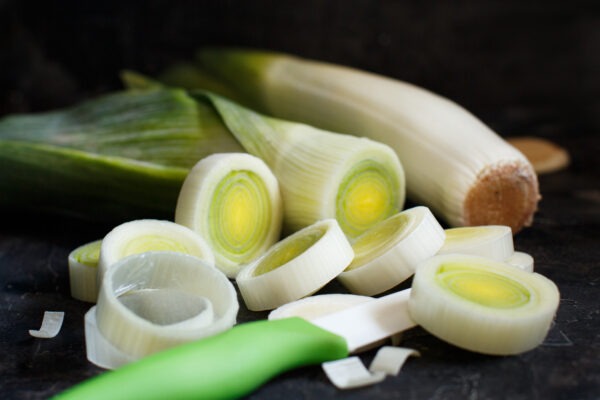
Gardeners Guide · Grow your own Leeks are one of the classic vegetables of the British winter garden. They’re hardy, dependable and can remain in the ground for months, allowing you to harvest them whenever you need them rather than lifting the entire crop at once. Unlike garlic or autumn onion sets, however, leeks aren’t…
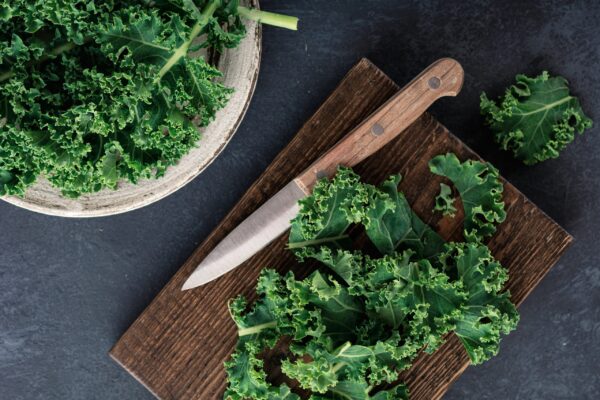
Gardeners Guide · Grow your own Kale is one of the best vegetables for keeping your garden productive through the colder months. It’s tough, dependable and capable of standing outside through weather that brings many other vegetable crops to an end. In fact, cold weather can actually improve the eating quality of kale, with leaves…
Gardeners Guide · Grow your own Spinach is one of the best leafy vegetables to grow as summer comes to an end. Unlike many vegetables, spinach prefers cooler conditions. The shorter, cooler days of autumn reduce the risk of plants bolting, while hardy varieties can continue producing leaves surprisingly late into the year. With a…
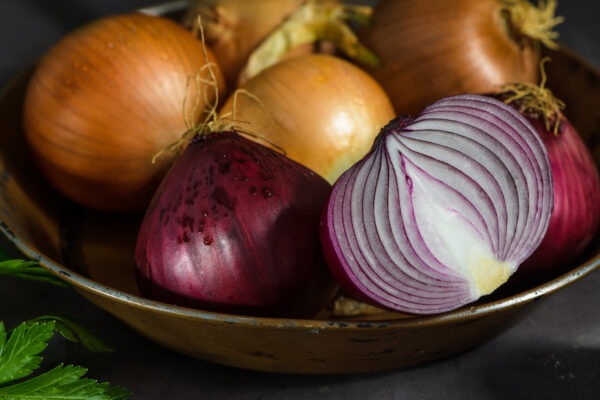
Gardeners Guide · Grow your own Onions are an excellent crop for keeping otherwise empty vegetable beds productive through autumn and winter. Plant hardy autumn onion sets in September or October, allow them to establish before the worst winter weather arrives, and they’ll start growing strongly again in spring before being harvested the following summer….
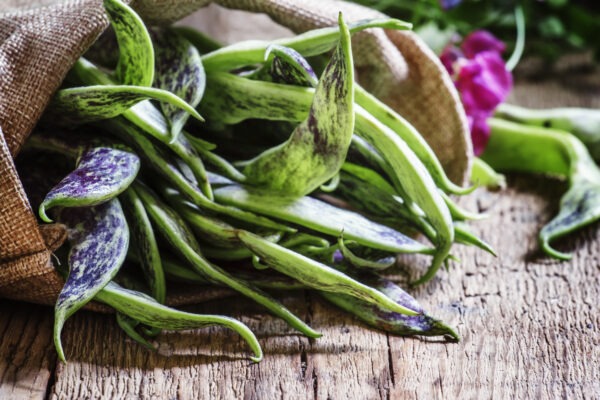
Gardeners Guide · Grow your own Broad beans are one of the few beans tough enough to be sown in autumn and left outside through a typical UK winter. Choose a hardy variety, give the plants good drainage and a sheltered position, and an autumn sowing can give you an earlier harvest the following year….
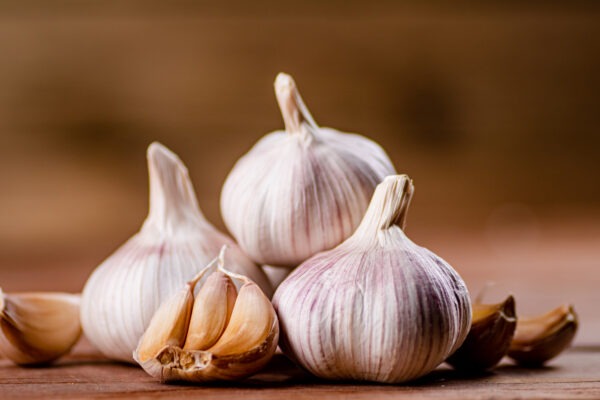
Gardeners Guide · Grow your own Garlic is one of the best vegetables to plant in autumn. It requires very little attention through winter, tolerates cold conditions extremely well and actually benefits from a period of cold weather to encourage good bulb development. Plant a few cloves in autumn and, for relatively little work, you…
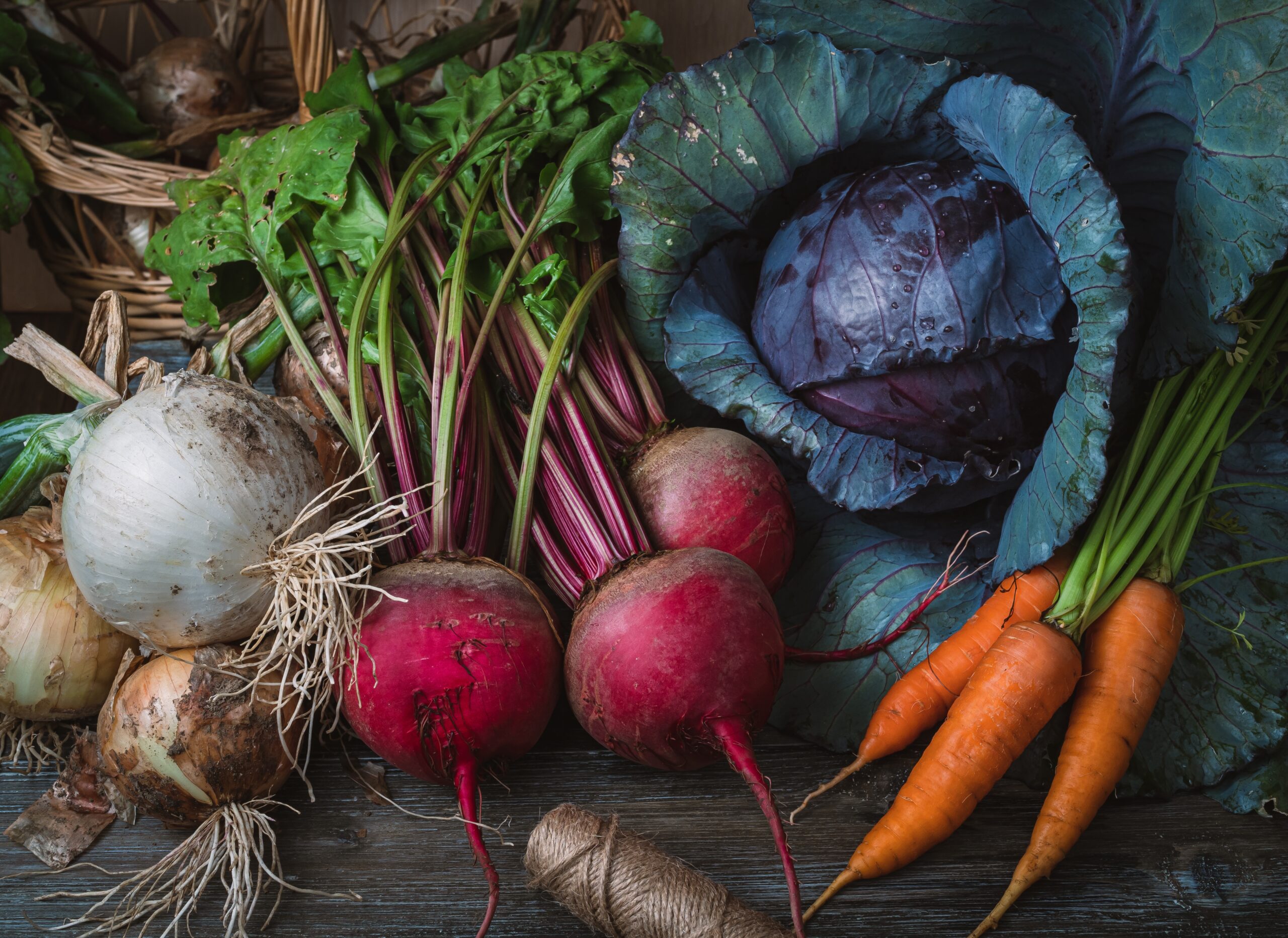
Gardeners Guide · Grow your own Summer might be coming to an end, but that doesn’t mean your vegetable garden has to stop producing. There are plenty of vegetables that can be grown or harvested through autumn and winter in the UK. Choose hardy crops, make the most of any protected space you have, and…
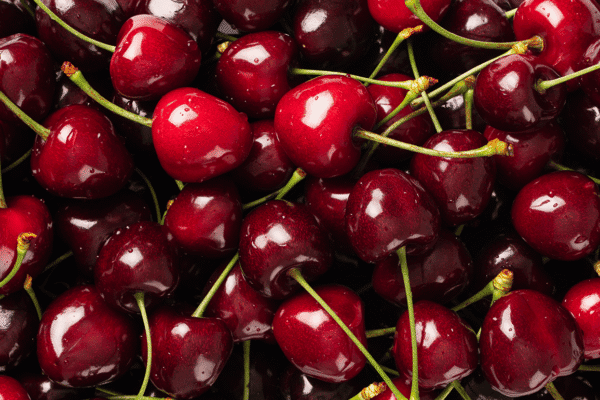
Gardeners Guide · Grow your own Cherries are one of the most rewarding fruits you can grow in a UK garden. A healthy cherry tree can produce beautiful spring blossom followed by sweet, juicy fruit in summer, making it both productive and ornamental. The main challenge is that cherries can be a little more demanding…
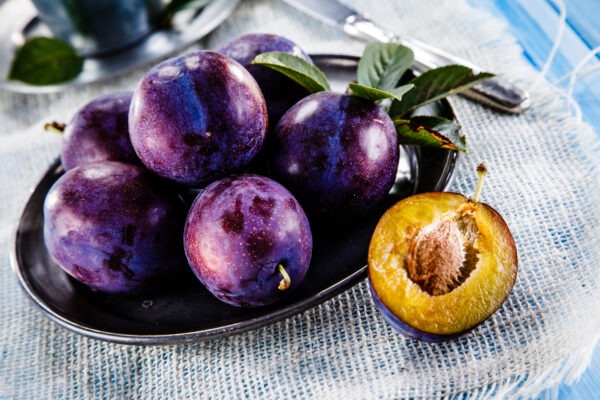
Gardeners Guide · Grow your own Plums are one of the most rewarding fruit trees you can grow in a UK garden. Once established, a healthy tree can produce impressive crops of sweet, juicy fruit from late summer into early autumn. Depending on the variety, plums can be eaten straight from the tree or used…
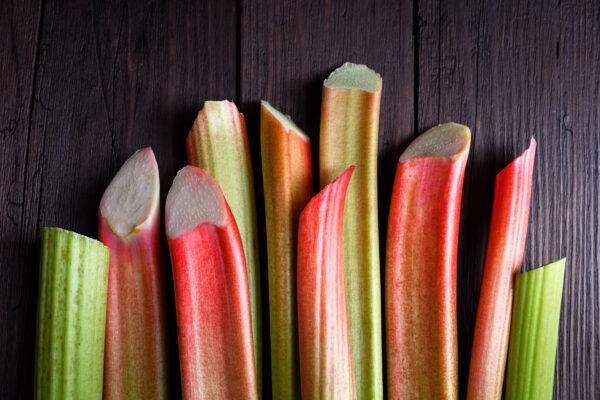
Gardeners Guide · Grow your own Rhubarb is one of the easiest perennial crops you can grow in a UK garden. Plant it once, give it a good position and a little care each year, and it can keep producing for many years. That makes rhubarb very different from most vegetables. You don’t need to…
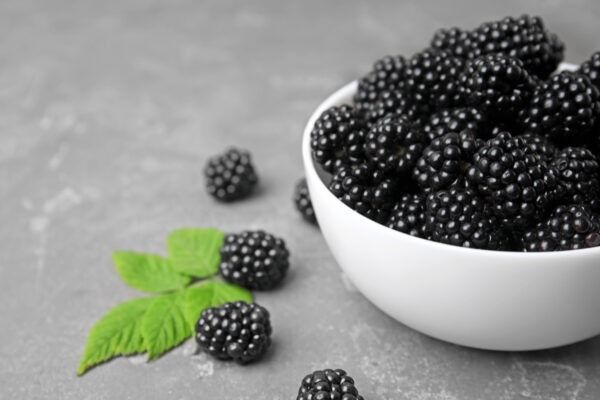
Gardeners Guide · Grow your own Blackberries are one of the easiest soft fruits to grow in a UK garden. They’re hardy, productive and relatively low-maintenance, and once established, a healthy plant can provide generous harvests for many years. You also don’t need to grow the huge, thorny brambles you might associate with hedgerows. Modern…
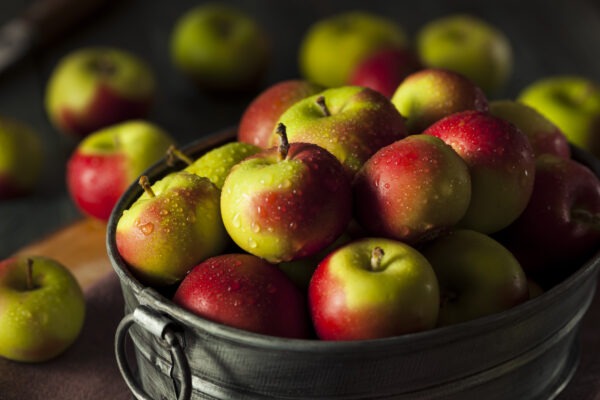
Gardeners Guide · Grow your own If you have room for only one fruit tree in your garden, an apple tree is difficult to beat. Apples grow extremely well across much of the UK, and once established, a healthy tree can provide fruit for many years. You don’t need an enormous garden either. Modern apple…
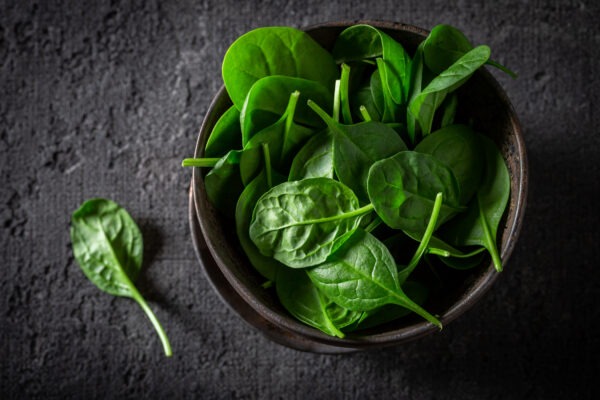
Gardeners Guide · Grow your own Spinach is one of the quickest and most useful leafy vegetables you can grow at home. It doesn’t require much space, can be grown successfully in containers and raised beds, and you can start harvesting young leaves within just a few weeks of sowing. It’s also a particularly good…
Gardeners Guide · Grow your own Runner beans are one of the most productive vegetables you can grow in a UK garden. Give them a sunny position, something tall to climb and plenty of water, and just a handful of plants can produce an impressive supply of beans throughout summer. They’re particularly good for smaller…
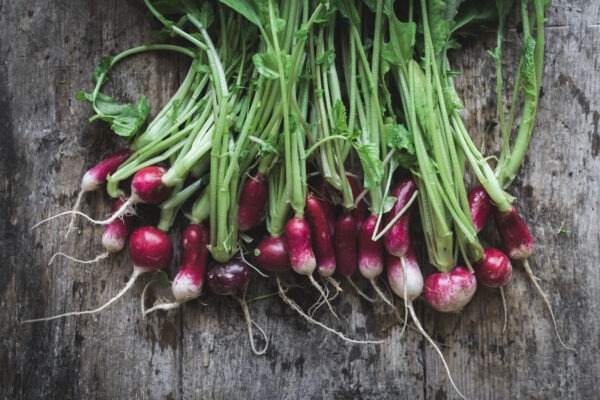
Gardeners Guide · Grow your own Radishes are one of the easiest and fastest vegetables you can grow. Some varieties can go from seed to harvest in as little as four weeks, making them ideal for beginners, children and anyone who wants to see quick results from a vegetable garden. They also need very little…
Gardeners Guide · Grow your own Pumpkins are one of the most enjoyable vegetables to grow at home. Start with a seed in spring and, by autumn, you can have enormous trailing plants producing pumpkins that range from compact cooking varieties to huge orange fruits ready for Halloween. They’re also surprisingly straightforward to grow. Pumpkins…
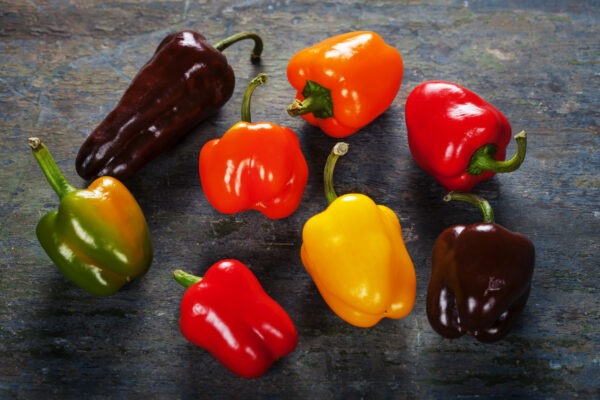
Gardeners Guide · Grow your own Sweet peppers are one of the most rewarding crops to grow at home, but they do ask for one thing that the British climate doesn’t always provide generously: warmth. Given a sunny greenhouse, polytunnel, conservatory or sheltered patio, however, pepper plants can produce an excellent crop of crisp green,…
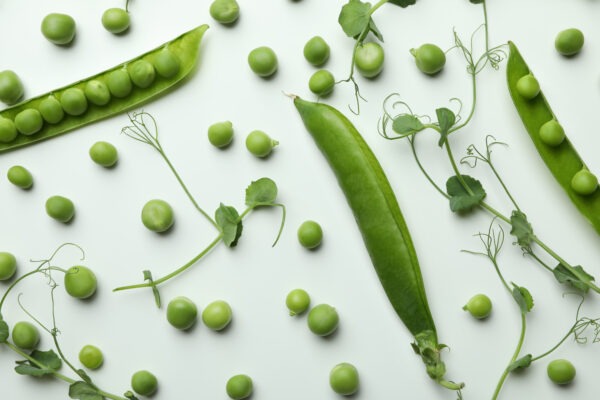
Gardeners Guide · Grow your own Peas are one of the most rewarding crops you can grow at home. They’re relatively easy, don’t need a huge amount of space, and few vegetables taste as good as peas picked straight from the garden and eaten fresh. They’re also well suited to the UK climate because peas…
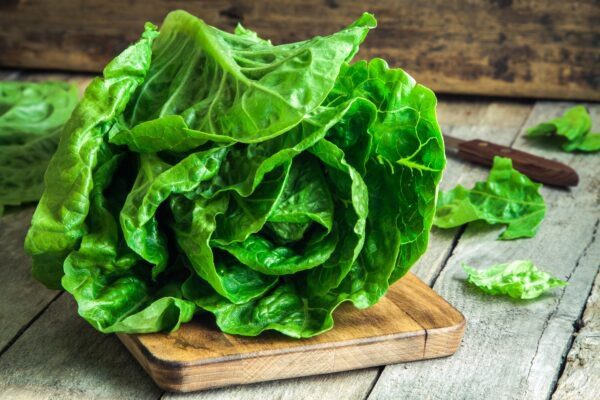
Gardeners Guide · Grow your own Lettuce is one of the easiest, quickest and most useful crops you can grow at home. It doesn’t need much space, grows well in beds, raised beds and containers, and many varieties can be harvested within just a few weeks of sowing. That makes lettuce ideal for beginners. It’s…
Gardeners Guide · Grow your own Leeks are one of the most useful vegetables you can grow in a UK garden. They’re hardy, dependable, well suited to cooler weather and can remain in the ground through autumn and winter until you’re ready to use them. That makes them especially valuable when many summer vegetables have…
Gardeners Guide · Grow your own Kale is one of the easiest, hardiest and most useful vegetables you can grow in a UK garden. While many summer vegetables have finished by the time autumn arrives, kale can keep going through cold weather and provide fresh leaves well into winter. Some varieties will even shrug off…
Gardeners Guide · Grow your own Garlic is one of the easiest and most satisfying crops you can grow at home. Plant a single clove in autumn or early spring and, several months later, that one clove can have developed into an entire bulb containing multiple new cloves. It doesn’t need a greenhouse, it takes…
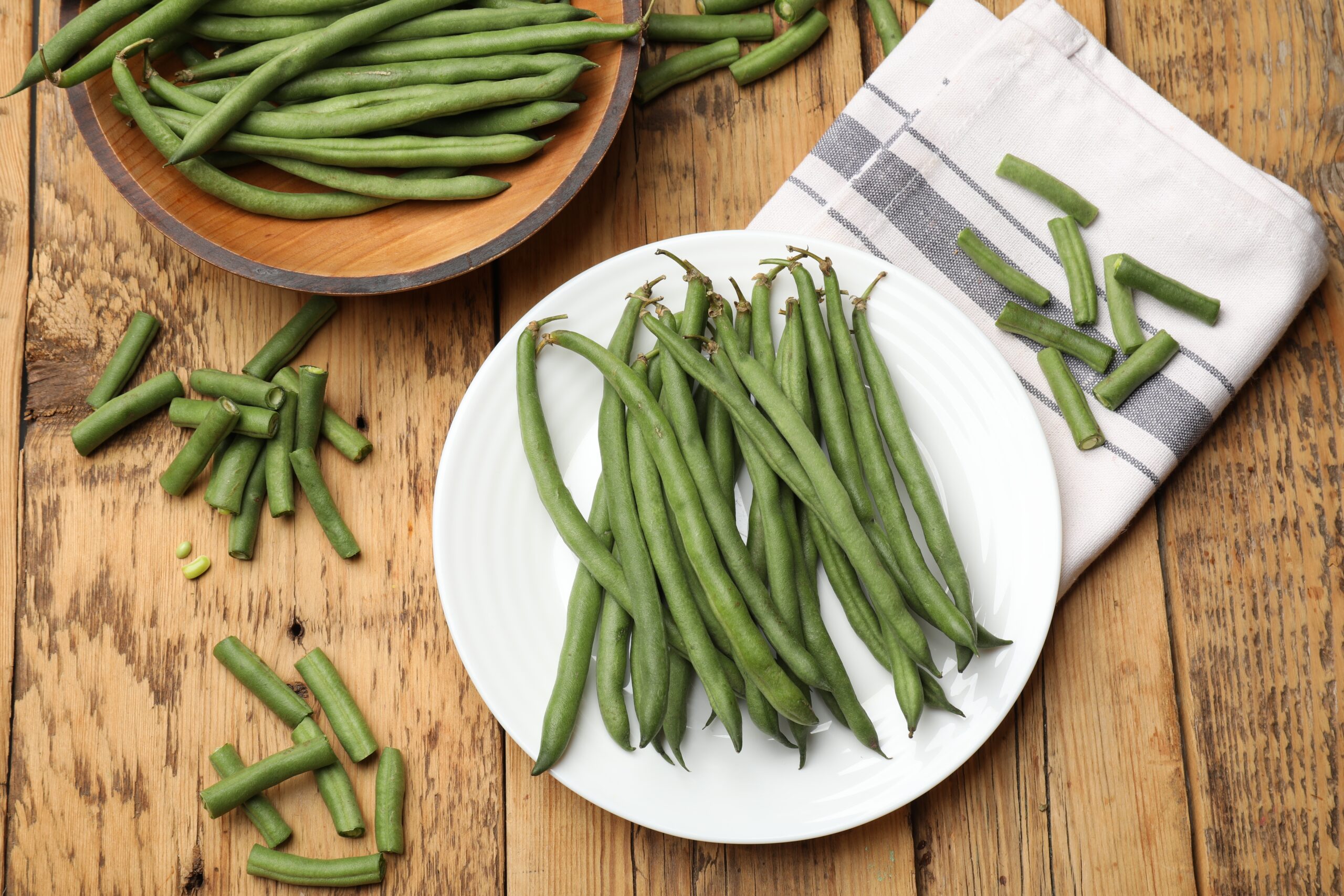
Gardeners Guide · Grow your own French beans are one of the best vegetables a beginner can grow. They’re quick to establish, don’t demand huge amounts of space, and once cropping begins, a healthy plant can keep producing fresh beans for weeks. They’re also noticeably different when eaten freshly picked. Harvest a handful of young…
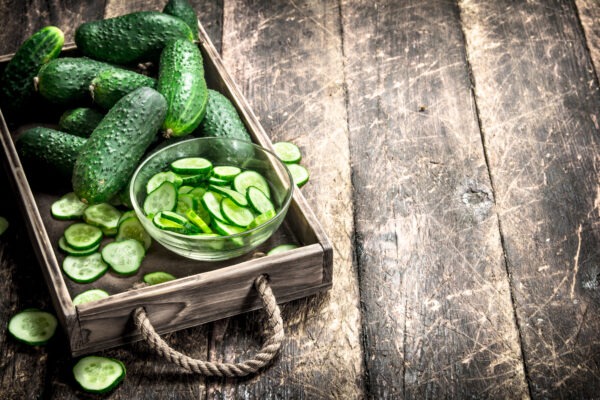
Gardeners Guide · Grow your own Cucumbers are one of those crops that make growing your own feel genuinely worthwhile. Given enough warmth, water and sunshine, a healthy cucumber plant can produce an impressive number of crisp, fresh fruits throughout summer — often far better tasting than anything that’s been sitting on a supermarket shelf….

Gardeners Guide · Grow your own Few plants are as satisfying to grow as chillies. Start with a tiny seed in the middle of winter and, several months later, you could have a plant covered in colourful fruits ranging from mild and sweet to genuinely eye-watering. Chillies are also ideal for gardeners without much outdoor…
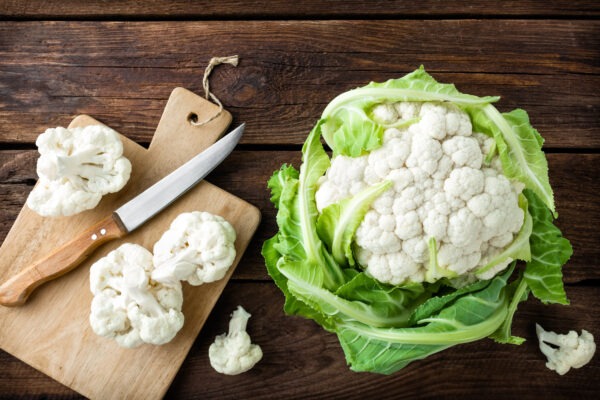
Gardeners Guide · Grow your own Cauliflower has a reputation for being one of the more demanding vegetables to grow — and, compared with something forgiving like beetroot or courgettes, that’s probably fair. But don’t let that put you off. The secret to good cauliflower is steady growth. Give the plants fertile soil, plenty of…
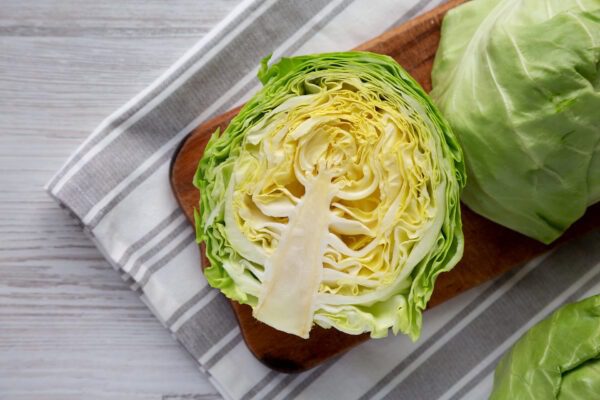
Gardeners Guide · Grow your own Cabbage might not be the most glamorous vegetable in the garden, but it’s one of the most satisfying crops to grow yourself. It’s hardy, productive and incredibly versatile in the kitchen. Depending on the varieties you choose, it’s possible to harvest home-grown cabbage through much of the year —…
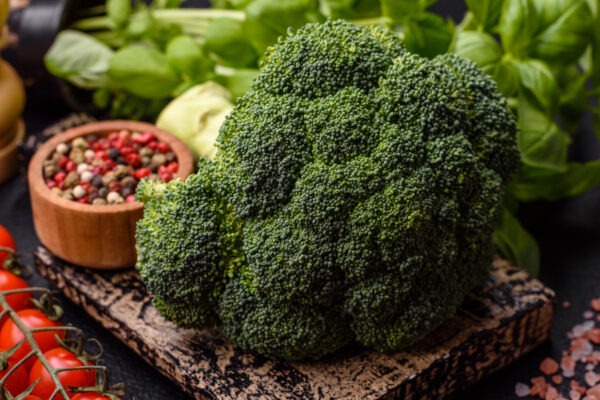
Gardeners Guide · Grow your own Broccoli is one of the most rewarding vegetables to grow at home. Give it enough space, fertile soil and a little patience and a single plant can provide a generous harvest — often followed by smaller side shoots after the main head has been cut. It’s also a particularly…
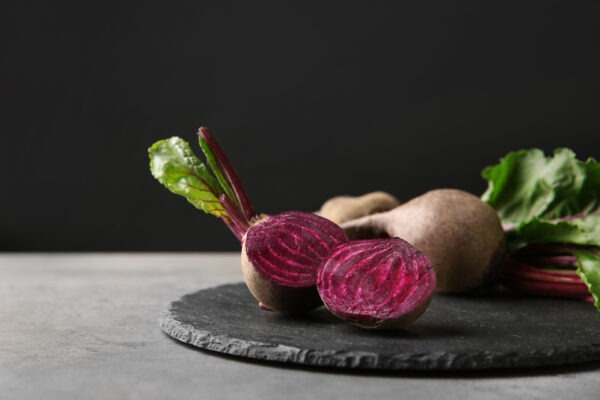
Gardeners Guide · Grow your own Beetroot is one of the easiest vegetables to grow at home, making it an excellent choice if you’re new to growing your own food. It doesn’t need a huge amount of space, grows happily in the ground or containers, and you don’t have to wait all year for a…
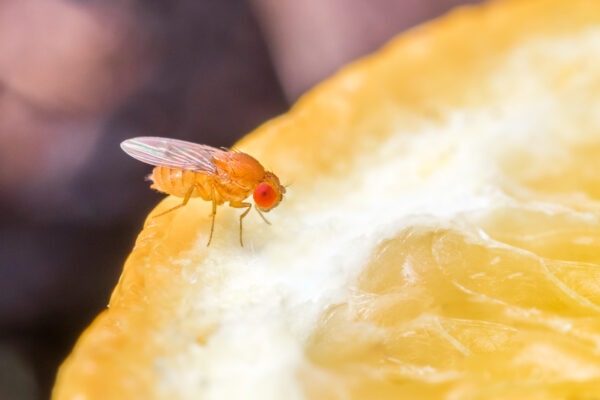
ou spot one tiny fly hovering around the fruit bowl. A couple of days later, there seem to be dozens of them. Fruit flies can become a nuisance surprisingly quickly, particularly during warmer weather. They’re attracted to ripe and fermenting fruit, food waste, sugary spills and even residue left inside bottles and recycling. Fortunately, they’re…

1. Clear Fallen Leaves From Your Lawn Autumn leaves look beautiful, but a thick layer sitting on your lawn isn’t ideal. Leaves can block light from reaching the grass and trap moisture underneath. Rake or collect heavy accumulations regularly. You don’t need to throw those leaves away either. Make Your Own Compost Fallen leaves can…

In this review Key Technical Specifications Why the AFERIY 1800W Stands Out Ideal Applications Whether prepping for emergency power outages at home or planning off-grid camping adventures, reliable electricity is essential. The AFERIY 1800W Portable Power Generator with 400W Solar Panel offers a quiet, carbon neutral energy storage system built for outdoor travel and home…
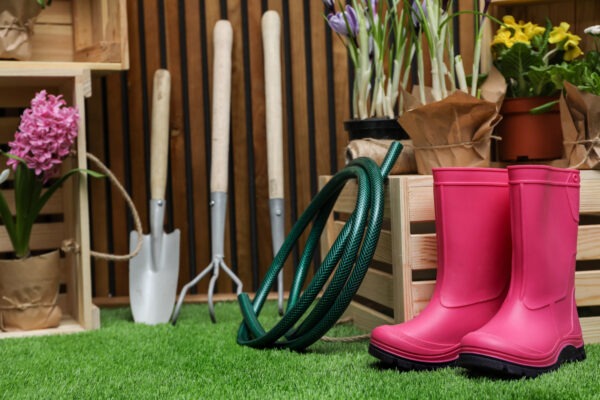
Walk into any garden centre and you could easily come away believing you need a shed full of specialist tools before you can grow your first plant. You don’t. A relatively small collection of good-quality tools will handle the vast majority of everyday gardening jobs. The trick is knowing which tools are genuinely useful, which…
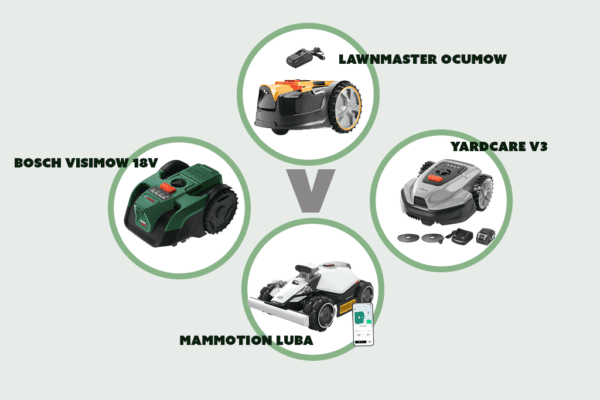
In this review 1. MAMMOTION LUBA mini 2 AWD 1000 2 Yardcare V3 Robot Lawnmower LawnMaster OcuMow 16 Vision 3. Bosch VISIMOW18V-100 Final Verdict Robot lawn mowers have come a long way. A few years ago, it usually meant installing a perimeter wire around the lawn and accepting that the mower would spend much of…
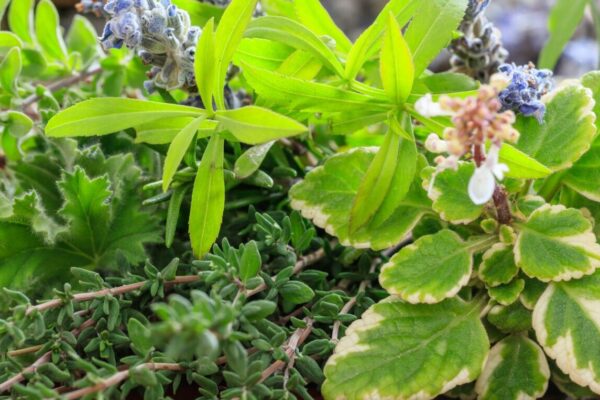
Gardeners Guide · Grow your own If you’re completely new to growing your own food, herbs might be the best place to start. You don’t need a vegetable garden. You don’t even necessarily need a garden. Many herbs will happily grow in containers outside the kitchen door, on a balcony or on a bright windowsill….
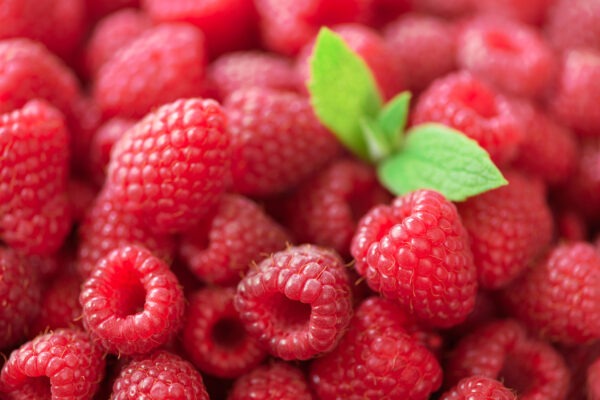
Gardeners Guide · Grow your own Raspberries are one of the best fruits you can add to a garden. Unlike annual vegetables that need starting again every spring, establish a healthy raspberry patch and it can reward you with fruit year after year. In this guide Summer or Autumn Raspberries? Where Should You Plant Raspberries?…
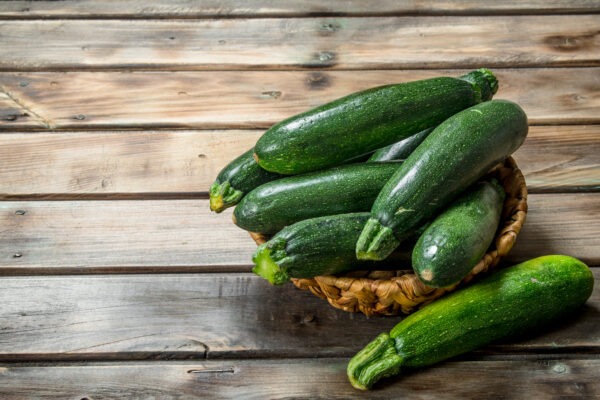
Gardeners Guide · Grow your own If you want a vegetable that makes you feel like an expert gardener, grow courgettes. Give them enough sunshine, food and water and a couple of plants can produce an astonishing amount of food. In this guide When Should You Sow Courgettes? How to Sow Courgettes Give Them Space…
Gardeners Guide · Grow your own Onions might not be the most glamorous crop in the vegetable garden, but they’re incredibly useful. And for beginners, growing onions from sets is wonderfully straightforward. In this guide Seeds or Sets? When Should You Plant Onion Sets? Where Should You Grow Onions? How to Plant Onion Sets Keep…
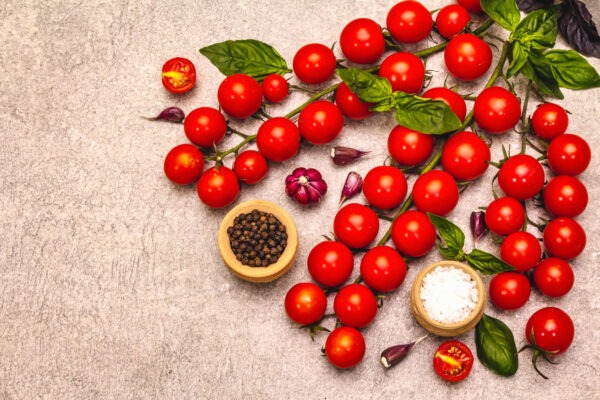
Gardeners Guide · Grow your own If you’re only going to grow one summer crop, tomatoes deserve serious consideration. They’re ideal for greenhouses, patios and sunny gardens, and nothing quite compares with the smell and flavour of a freshly picked tomato. In this guide Choosing Your Tomatoes When Should You Sow Tomatoes? How to Sow…
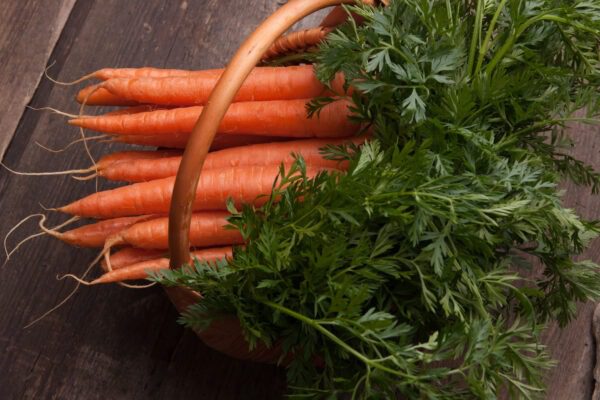
Gardeners Guide · Grow your own Carrots are one of the classic vegetables to grow at home. They’re inexpensive, don’t need huge amounts of space and can be grown successfully in the ground, raised beds and containers. They’re also a crop where a little preparation makes a huge difference. Here’s everything you need to know…
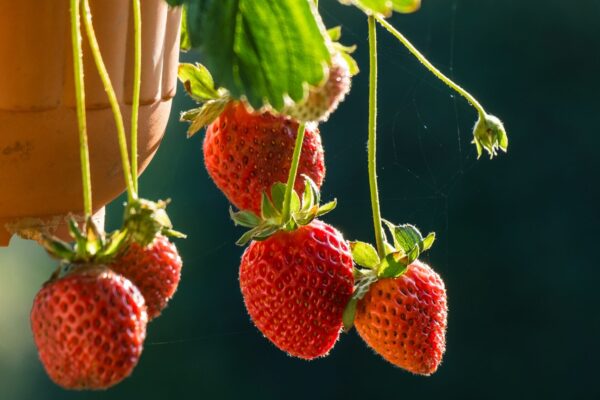
Gardeners Guide · Grow your own Few things beat picking a ripe strawberry straight from the garden on a warm summer day. Strawberries are sweet, productive and surprisingly easy to grow. Better still, you don’t need a large garden. They’ll happily grow in beds, raised planters, pots, hanging baskets and containers, making them a brilliant…
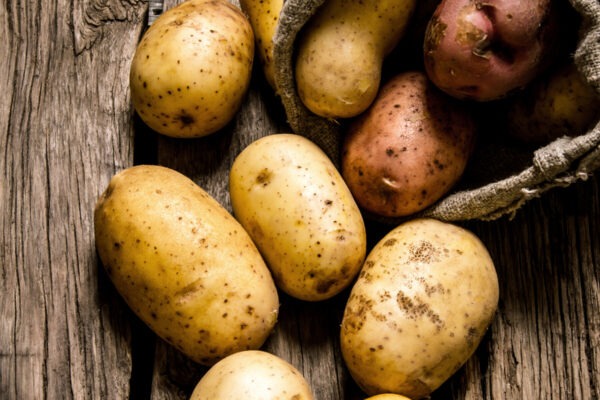
Gardeners Guide · Grow your own Growing your own potatoes is one of those gardening jobs that gives you a surprising amount of satisfaction for relatively little effort. You don’t need a huge vegetable garden either. Potatoes can be grown in traditional rows, raised beds, large containers or even potato-growing bags, making them a great…
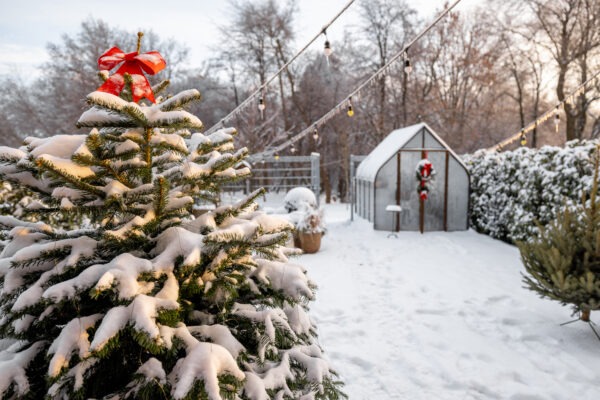
December in the garden December isn’t exactly peak gardening season, particularly when it’s freezing outside and you’d rather be sitting somewhere warm. But the garden hasn’t completely shut down. Here are 10 useful jobs for December. This month’s jobs 1. Protect Plants From Frost2. Keep Bird Feeders Full3. Keep Water Available4. Prune Apple and Pear…

November in the garden November brings shorter days, colder nights and plenty of fallen leaves, but there are still worthwhile jobs to tackle whenever the weather allows. This month’s jobs 1. Plant Tulips2. Plant Bare-Root Trees and Shrubs3. Clear Leaves From Lawns4. Protect Outdoor Containers5. Clean Bird Feeders6. Check Stored Produce7. Protect Tender Plants8. Clean…
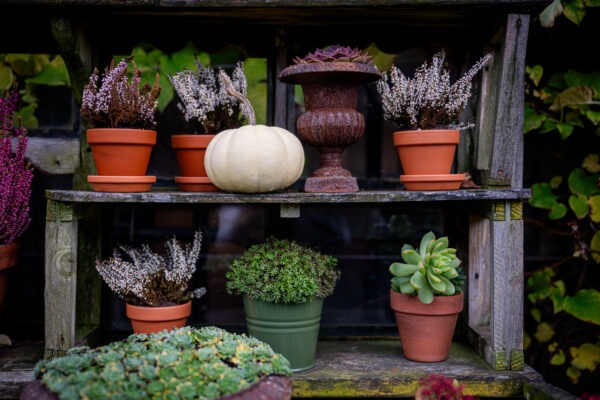
October in the garden October is when autumn really takes hold. Leaves tumble from trees, temperatures fall and summer displays finally begin giving way. Far from being the end of the gardening year, October is one of the best months for preparing for the next one. This month’s jobs 1. Keep Collecting Leaves2. Plant Spring…
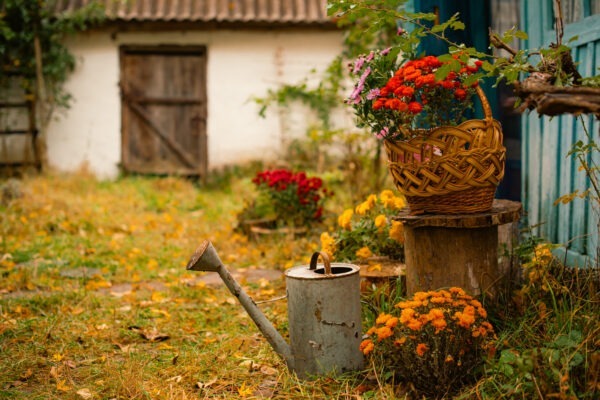
September in the garden September is one of my favourite months in the garden. There’s still enough warmth to enjoy being outdoors, but the first signs of autumn are beginning to appear. Growth starts to slow, leaves begin to turn and many summer plants are reaching the end of their best. But this certainly isn’t…
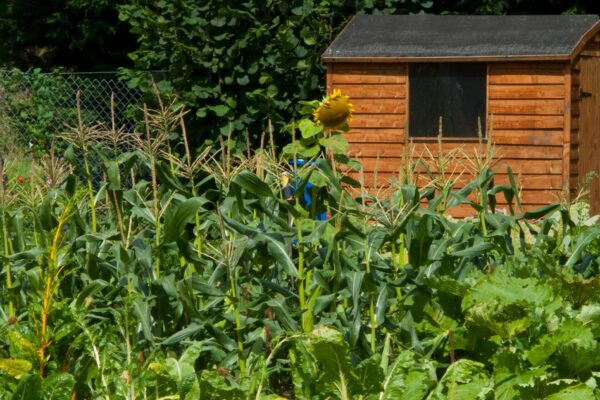
August in the garden August is a month for enjoying the garden, but it can also be hot, dry and incredibly productive. The main priorities are keeping plants watered, harvesting crops and extending displays for as long as possible. This month’s jobs 1. Keep Watering Containers2. Harvest Vegetables3. Deadhead Dahlias and Other Flowers4. Collect Seeds5….

July in the garden July is often when the garden reaches its summer peak. Borders are full, vegetables are producing and patios and seating areas finally get the use they deserve. Hot and dry conditions can also make July a demanding month. This month’s jobs 1. Prioritise Watering2. Deadhead Regularly3. Harvest Courgettes4. Pick Beans5. Look…
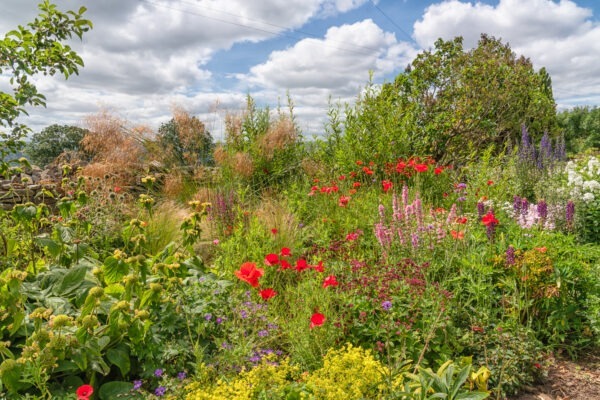
June in the garden June brings long days, warm evenings and gardens packed with growth. It’s a fantastic month to enjoy your outdoor space—but plants can demand plenty of attention. This month’s jobs 1. Water Wisely2. Deadhead Flowers3. Mow the Lawn4. Look After Tomatoes5. Harvest Early Crops6. Keep Weeding7. Check Roses8. Feed Containers and Baskets9….
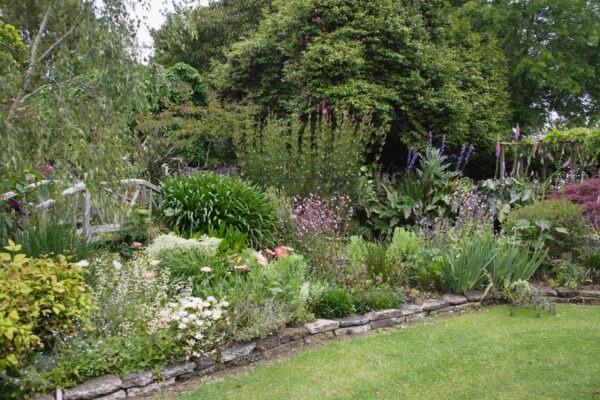
May in the garden This month’s jobs 1. Keep Mowing2. Harden Off Tender Plants3. Plant Out After Frost Risk4. Support Tall Plants5. Keep Weeding6. Water New Plants7. Sow Successional Crops8. Watch for Pests9. Tie In Climbers10. Enjoy the Garden May is when gardens really start looking alive. Growth can be incredibly fast and there always…

April in the garden This month’s jobs 1. Mow Lawns Regularly2. Sow Vegetables3. Keep On Top of Weeds4. Plant Perennials5. Tie In Climbers6. Look After Seedlings7. Prepare Hanging Baskets8. Watch for Pests9. Feed Container Plants10. Keep Protecting Tender Plants April can transform a garden in just a few weeks. Lawns are growing, blossom is appearing…
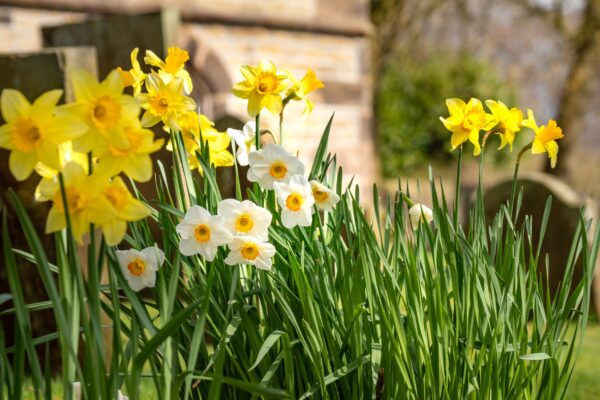
March in the garden This month’s jobs 1. Start Mowing the Lawn2. Plant Early Potatoes3. Sow Hardy Vegetables4. Deal With Weeds Early5. Mulch Borders6. Plant Summer-Flowering Bulbs7. Divide Perennials8. Protect New Shoots From Slugs9. Clean Up Containers10. Watch the Weather March is when the gardening year really begins to gather pace. Temperatures start climbing, daylight…

February in the garden February is when you can finally start feeling that spring isn’t too far away. Days are getting longer, bulbs are appearing and there are plenty of jobs that can give your garden a head start. This month’s jobs 1. Prune Roses2. Prepare Vegetable Beds3. Start Chitting Seed Potatoes4. Sow Early Seeds…
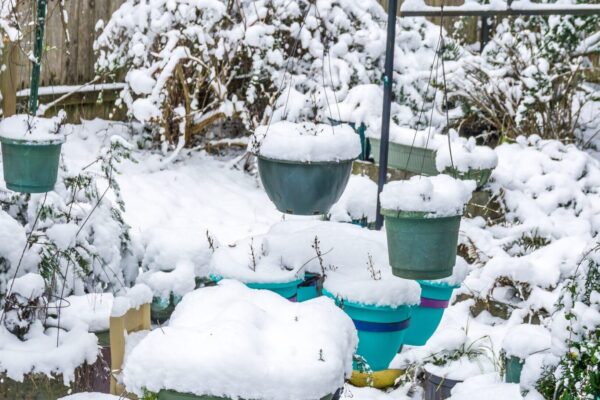
January in the garden January might be one of the quietest months in the garden, but there is still plenty to be getting on with. On dry, frost-free days, a few hours spent outside can make a big difference when spring arrives. Here are 10 essential gardening jobs to tackle in January. This month’s jobs…