Gardeners Guide · Grow your own
Choosing potatoes to grow can be surprisingly confusing.
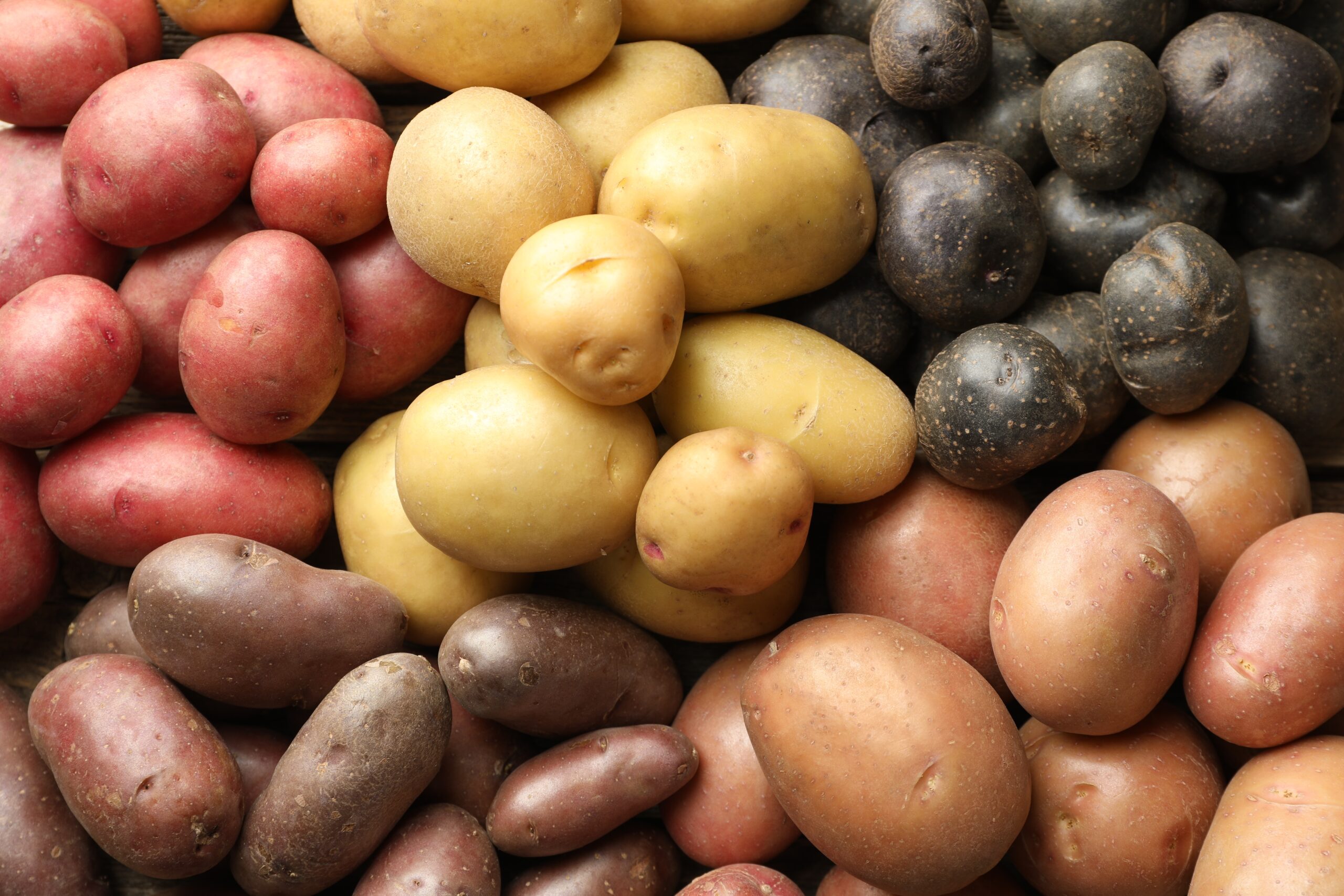
Walk into a garden centre in late winter and you’ll find bags of seed potatoes labelled first early, second early and maincrop, alongside familiar names such as Maris Piper, King Edward and Charlotte.
So which should you choose?
The answer depends on what you want from your crop.
Some potatoes can be harvested early in summer as delicious new potatoes. Others are left in the ground longer to produce larger crops that can be roasted, mashed, turned into chips or stored for winter.
If you have enough room, you don’t actually have to choose just one.
Growing a combination of early and maincrop potatoes can give you fresh potatoes from early summer right through to autumn, with stored potatoes potentially lasting well into winter.
Here’s how the different types of potatoes work and some of the best varieties to consider growing in the UK.
Potato Types at a Glance
| Type | Typical Planting | Typical Harvest | Best For |
|---|---|---|---|
| First Early | March | June–July | New potatoes |
| Second Early | March–April | July–August | New potatoes, salads |
| Maincrop | March–April | August–October | Roasting, mash, chips and storage |
These timings are approximate and will vary with variety, location and weather.
First Early, Second Early or Maincrop?
Before choosing individual varieties, understand the three main groups.
They’re largely based on:
how long the potatoes take to mature.
First Early Potatoes
First earlies are the quickest potatoes to produce a crop.
They’re often ready approximately:
10–12 weeks after planting.
These are the potatoes to grow if you want tender new potatoes at the beginning of summer.
Because they’re harvested relatively early, they’re also useful in smaller gardens.
You can harvest the potatoes and then use the same space for another crop.
First Earlies Are Best For:
- New potatoes
- Small gardens
- Containers
- Early harvests
- Successional vegetable growing
They’re generally eaten fresh rather than grown specifically for long-term storage.
Second Early Potatoes
Second earlies sit between first earlies and maincrop potatoes.
They generally take around:
13–15 weeks to mature.
They produce slightly later crops and can often provide larger yields than first earlies.
Second earlies are excellent for:
- Salads
- Boiling
- New potatoes
- Containers
- Summer harvesting
Growing both first and second earlies is a simple way to extend your new-potato season.
Maincrop Potatoes
Maincrop potatoes stay in the ground considerably longer.
They generally take around:
15–20 weeks, depending on variety and growing conditions.
The extra time allows the plants to produce larger potatoes and heavier crops.
These are traditionally the varieties grown for:
- Roast potatoes
- Chips
- Mash
- Baking
- Winter storage
If you’re trying to produce a substantial amount of food from your vegetable garden, maincrop potatoes are worth growing.
First Early Potato Varieties
Let’s look at some of the varieties you’re likely to encounter.
Rocket
Rocket is a very early potato and a popular choice for gardeners wanting one of their first potato harvests of the season.
It produces attractive white-skinned tubers.
Type: First early
Best for: Boiling and new potatoes
Good choice for: Gardeners wanting an early crop.
Swift
As the name suggests, Swift is another particularly fast-growing potato.
It can produce potatoes relatively quickly in good conditions.
Type: First early
Best for: Boiling and new potatoes
Good choice for: Containers and early harvesting.
Arran Pilot
A traditional first early variety that has been grown for generations.
It produces white-fleshed potatoes with a classic new-potato flavour.
Type: First early
Best for: Boiling and salads
Good choice for: Traditional new potatoes.
Pentland Javelin
Another popular early variety producing smooth, pale-skinned potatoes.
Type: First early
Best for: Boiling and salads
Good choice for: Early summer harvesting.
Second Early Potato Varieties
Charlotte
Charlotte is one of the best-known salad potatoes.
It produces long, smooth potatoes with a waxy texture that holds together well when cooked.
Type: Second early
Best for: Salads, boiling and steaming
Good choice for: Anyone who enjoys waxy new potatoes.
Charlotte is also a very good choice for growing in containers.
Maris Peer
Maris Peer produces relatively small potatoes with a creamy texture.
It’s widely used as a salad and boiling potato.
Type: Second early
Best for: Boiling, salads and steaming
Good choice for: A versatile summer potato.
Kestrel
Kestrel is instantly recognisable because of the purple markings around its eyes.
It produces attractive potatoes and has good all-round kitchen potential.
Type: Second early
Best for: Boiling, roasting and chips
Good choice for: Gardeners wanting something versatile and visually distinctive.
Nicola
Nicola produces smooth, elongated potatoes with yellow flesh.
Its waxy texture makes it particularly useful when you want the potato to hold its shape.
Type: Often grown as a second early/salad potato
Best for: Salads and boiling
Good choice for: Potato salads.
Maincrop Potato Varieties
If you want large harvests for autumn and winter, this is where things get interesting.
Maris Piper
Maris Piper is one of the UK’s most familiar potato varieties.
There’s a good reason for that.
Its floury texture makes it extremely versatile in the kitchen.
Type: Maincrop
Best for: Chips, roast potatoes and mash
Good choice for: The all-round cook.
If I only had room for one maincrop variety and wanted maximum kitchen versatility, Maris Piper would certainly be on the shortlist.
King Edward
Another British classic.
King Edward potatoes are recognisable by their cream skin with pinkish-red markings.
They develop a light, floury texture when cooked.
Type: Maincrop
Best for: Roasting, baking and mash
Good choice for: Sunday roast fans.
Desiree
Desiree produces distinctive red-skinned potatoes with pale yellow flesh.
It’s a versatile maincrop variety suitable for several cooking methods.
Type: Maincrop
Best for: Roasting, mash, wedges and general cooking
Good choice for: Gardeners wanting a versatile red potato.
Pink Fir Apple
Pink Fir Apple is very different from a typical large maincrop potato.
It produces long, knobbly tubers with a distinctive nutty flavour.
Type: Late maincrop
Best for: Salads and boiling
Good choice for: Gardeners looking for flavour and something unusual.
The unusual shape can make them slightly awkward to peel.
Fortunately, there’s rarely any need to.
Floury vs Waxy Potatoes
This distinction is extremely useful when choosing varieties.
Potatoes can broadly be described as:
waxy, floury or somewhere in between.
Waxy Potatoes
Waxy potatoes have a firm texture and tend to hold their shape when cooked.
They’re excellent for:
- Potato salads
- Boiling
- Steaming
Examples include:
Charlotte and Nicola.
Floury Potatoes
Floury potatoes become softer and fluffier when cooked.
They’re excellent for:
- Roasting
- Baking
- Mash
- Chips
Examples include:
Maris Piper and King Edward.
All-Rounders
Some potatoes sit somewhere between the two.
These are useful if you don’t want to grow lots of different varieties.
Best Potatoes for Roast Potatoes
If your priority is crispy roast potatoes with fluffy centres, choose a floury variety.
I’d look at:
Maris Piper
King Edward
Desiree
The floury texture helps create that rough exterior that becomes beautifully crisp in the oven.
Best Potatoes for Chips
For homemade chips, you want a potato with enough dry matter to create:
a fluffy centre and crisp exterior.
Maris Piper is an obvious choice.
It’s widely associated with chips for precisely this reason.
Other floury maincrop varieties can also work well.
Best Potatoes for Mash
For smooth, fluffy mash, choose a floury potato.
Good options include:
Maris Piper
and
King Edward.
Waxy salad potatoes generally won’t produce the same fluffy texture.
Best Potatoes for Potato Salad
Here you want almost the opposite.
Choose a potato that:
holds its shape after boiling.
Good choices include:
Charlotte
Nicola
Maris Peer
These have the firmer, waxier texture that’s ideal for salads.
Best Potatoes for Baking
Large floury potatoes are generally best.
Look at maincrop varieties such as:
King Edward
or other varieties specifically recommended for baking.
Allow the potatoes to reach a good size before harvesting.
Best Potatoes for New Potatoes
For proper home-grown new potatoes, grow:
first or second earlies.
Good choices include:
- Rocket
- Swift
- Arran Pilot
- Pentland Javelin
- Charlotte
Harvest them while the skins are still thin and delicate.
Boil them gently and you may wonder why you ever bought supermarket new potatoes.
Best Potatoes for Containers
Potatoes are extremely well suited to large containers and potato-growing bags.
For containers, I’d generally favour:
first and second early varieties.
Why?
They mature quickly and don’t need to remain in the container for the entire summer.
Good choices include:
Rocket
Swift
Charlotte
Arran Pilot
You can grow maincrop potatoes in large containers too, but they’ll need more time, water and space.
Best Potatoes for Small Gardens
If space is limited, first earlies give you excellent value.
Plant them in March.
Harvest around early summer.
Then reuse the same space for another vegetable.
For example:
First early potatoes → French beans
or:
First early potatoes → winter leeks
This allows the same patch of soil to produce more than one crop during the year.
Best Potatoes for Storage
If your aim is to grow potatoes for autumn and winter, choose:
maincrop varieties.
Allow the plants to mature fully.
Once the foliage has died back and the potatoes are ready, lift them carefully and allow the skins to dry before storage.
Healthy maincrop potatoes can potentially store for months under the right conditions.
Growing Potatoes for Christmas
You can also buy seed potatoes marketed for:
late or Christmas cropping.
These are planted during summer rather than spring.
They’re often grown in containers that can be moved somewhere protected when frost threatens.
Don’t assume they’re special winter-growing potatoes.
They’re usually suitable varieties planted later in the season.
Cold weather eventually stops growth, so protection becomes important.
Disease Resistance Matters
Don’t choose potatoes purely based on taste.
Disease resistance can make a substantial difference.
One of the biggest problems is:
potato blight.
This fungal-like disease can spread rapidly during warm, humid conditions.
Maincrop potatoes are particularly vulnerable because they’re still growing later in the season when blight conditions can become favourable.
If blight regularly causes problems in your area, consider varieties bred with improved resistance.
Blight-Resistant Potatoes
Modern breeding has produced several varieties with useful blight resistance.
Varieties in the Sarpo group are particularly well known for this.
For example:
Sarpo Mira
A vigorous maincrop potato with strong resistance to late blight.
Type: Maincrop
Best for: General cooking and storage
Good choice for: Gardens where blight has been a recurring problem.
Disease resistance doesn’t mean a plant is completely indestructible, but it can considerably improve your chances of getting a successful crop.
What About Scab?
Potato scab causes rough patches on the skin.
It usually looks worse than it actually is.
The potatoes are generally still edible after affected areas are removed.
Some varieties have better resistance than others.
Maintaining adequate soil moisture while tubers are developing can also help reduce common scab.
Should You Grow One Variety or Several?
If you have enough room:
grow several.
This is one of the advantages of growing potatoes yourself.
Instead of producing 20kg of one potato, you can create your own potato season.
For example:
First Early
Rocket
For your first new potatoes.
Second Early
Charlotte
For summer salads and boiling.
Maincrop
Maris Piper
For autumn chips, roast potatoes and mash.
Resistant Maincrop
Sarpo Mira
For later harvesting and storage where blight is a concern.
Now you’re harvesting different potatoes for different purposes throughout the season.
My Simple Potato Selection for Beginners
If you’re growing potatoes for the first time, don’t overcomplicate it.
I’d start with three types.
For Early New Potatoes
Rocket or Arran Pilot
Quick-growing and straightforward.
For Summer Salads
Charlotte
A superb waxy salad potato.
For Autumn and Winter
Maris Piper
A versatile maincrop for roasting, chips and mash.
This combination lets you experience the biggest difference between potato types without planting dozens of varieties.
How Many Seed Potatoes Should You Plant?
You don’t need huge quantities.
Even a relatively small number of seed potatoes can produce a useful crop.
If you’re experimenting with different varieties, consider buying smaller packs and growing:
a few plants of each.
You can then decide which varieties performed best in:
your soil and your garden.
That’s important because a potato that performs brilliantly for one gardener won’t necessarily be the best performer somewhere else.
Always Buy Seed Potatoes
For reliable results, I’d recommend buying:
certified seed potatoes
rather than simply planting potatoes from the supermarket.
Seed potatoes are produced specifically for growing and are subject to controls intended to reduce the risk of certain diseases.
You can buy them from:
- Garden centres
- Nurseries
- Seed suppliers
- Online gardening retailers
They normally become widely available during winter and early spring.
Do Seed Potatoes Need Chitting?
You’ll often hear gardeners talking about:
chitting potatoes.
This simply means allowing seed potatoes to develop short shoots before planting.
Place them somewhere:
cool, bright and frost-free
with the shoots facing upwards.
Chitting is particularly popular with early potatoes because it can give them a useful head start.
It isn’t something to become overly worried about, though.
Potatoes are remarkably willing to grow.
Choosing Potatoes for Your Garden
The easiest way to choose is to ask yourself:
When do I want to harvest them?
Then:
How do I want to cook them?
If you want early new potatoes:
Choose first earlies.
If you want summer salad potatoes:
Choose second earlies.
If you want roast potatoes, chips and mash:
Choose floury maincrop varieties.
If you want potatoes for winter:
Choose maincrop varieties with good storage qualities.
If you regularly struggle with blight:
Prioritise resistant varieties.
Potato Variety Comparison
| Variety | Type | Texture | Particularly Good For |
|---|---|---|---|
| Rocket | First early | Waxy | New potatoes |
| Swift | First early | Waxy | Early harvesting |
| Arran Pilot | First early | Waxy | Boiling |
| Pentland Javelin | First early | Waxy | New potatoes |
| Charlotte | Second early | Waxy | Salads |
| Maris Peer | Second early | Waxy | Boiling |
| Kestrel | Second early | All-round | Roasting/chips |
| Nicola | Second early | Waxy | Salads |
| Maris Piper | Maincrop | Floury | Chips/roasting |
| King Edward | Maincrop | Floury | Roasting/baking |
| Desiree | Maincrop | All-round | General cooking |
| Pink Fir Apple | Late maincrop | Waxy | Salads |
| Sarpo Mira | Maincrop | Floury | Storage/blight resistance |
What You’ll Need
Growing potatoes is straightforward and doesn’t require lots of equipment.
I’d recommend:
Certified seed potatoes
Garden fork or spade
Well-rotted compost
Potato fertiliser
If you’re short on space:
Potato growing bags or large containers
And for early crops:
Horticultural fleece
can be useful when late frost threatens emerging foliage.
Essential Equipment Every Gardener Needs
Potato Variety FAQs
What’s the difference between first early, second early and maincrop potatoes?
The main difference is how long they take to mature. First earlies are harvested first, followed by second earlies, while maincrop potatoes remain in the ground longest and generally produce larger crops.
What are the best potatoes for beginners?
First and second early varieties are particularly beginner-friendly because they’re relatively quick to mature. Rocket, Arran Pilot and Charlotte are good varieties to consider.
Which potatoes are best for roasting?
Floury varieties such as Maris Piper and King Edward are particularly good for roasting.
Which potatoes are best for chips?
Maris Piper is a classic choice for chips because of its floury texture.
Which potatoes are best for mash?
Floury potatoes such as Maris Piper and King Edward make excellent mash.
Which potatoes are best for salads?
Waxy varieties such as Charlotte and Nicola hold their shape particularly well after cooking.
Which potatoes are best for containers?
First and second earlies are excellent container crops. Rocket, Swift and Charlotte are all worth considering.
Which potatoes can be stored over winter?
Maincrop potatoes are generally the best choice for storage. Choose varieties known for good keeping qualities and only store healthy, undamaged tubers.
What are the best potatoes for blight resistance?
Some modern varieties have been bred specifically for improved resistance. Sarpo Mira is particularly well known for its resistance to late blight.
Can I plant supermarket potatoes?
They may grow, but certified seed potatoes are a better choice because they’re produced specifically for planting and with plant-health standards in mind.
Can I grow different potato varieties together?
Yes. Growing first early, second early and maincrop varieties is an excellent way to extend your harvesting season.
Final Thoughts
Choosing a potato variety becomes much easier once you stop thinking of potatoes as a single crop.
A waxy Charlotte and a floury Maris Piper might both be potatoes, but they’re useful for completely different things.
Start by deciding:
when you want to harvest.
Then decide:
how you want to eat them.
For early summer new potatoes, grow first earlies.
For waxy summer salad potatoes, grow second earlies such as Charlotte.
For crispy roast potatoes, fluffy mash and homemade chips, grow floury maincrop varieties such as Maris Piper or King Edward.
And if you have enough space, grow all three groups.
A few first earlies, a row of second earlies and a larger crop of maincrops can give you fresh potatoes from early summer into autumn, followed by stored potatoes through winter.
That’s one of the great advantages of growing your own.
You’re no longer limited to whichever bag happens to be sitting on the supermarket shelf.
You can grow the potato that’s right for the job.
Continue Your Grow Your Own Journey
A Beginner’s Guide to Growing Potatoes
How to Grow Carrots All Year Round