Gardeners Guide · Grow your own
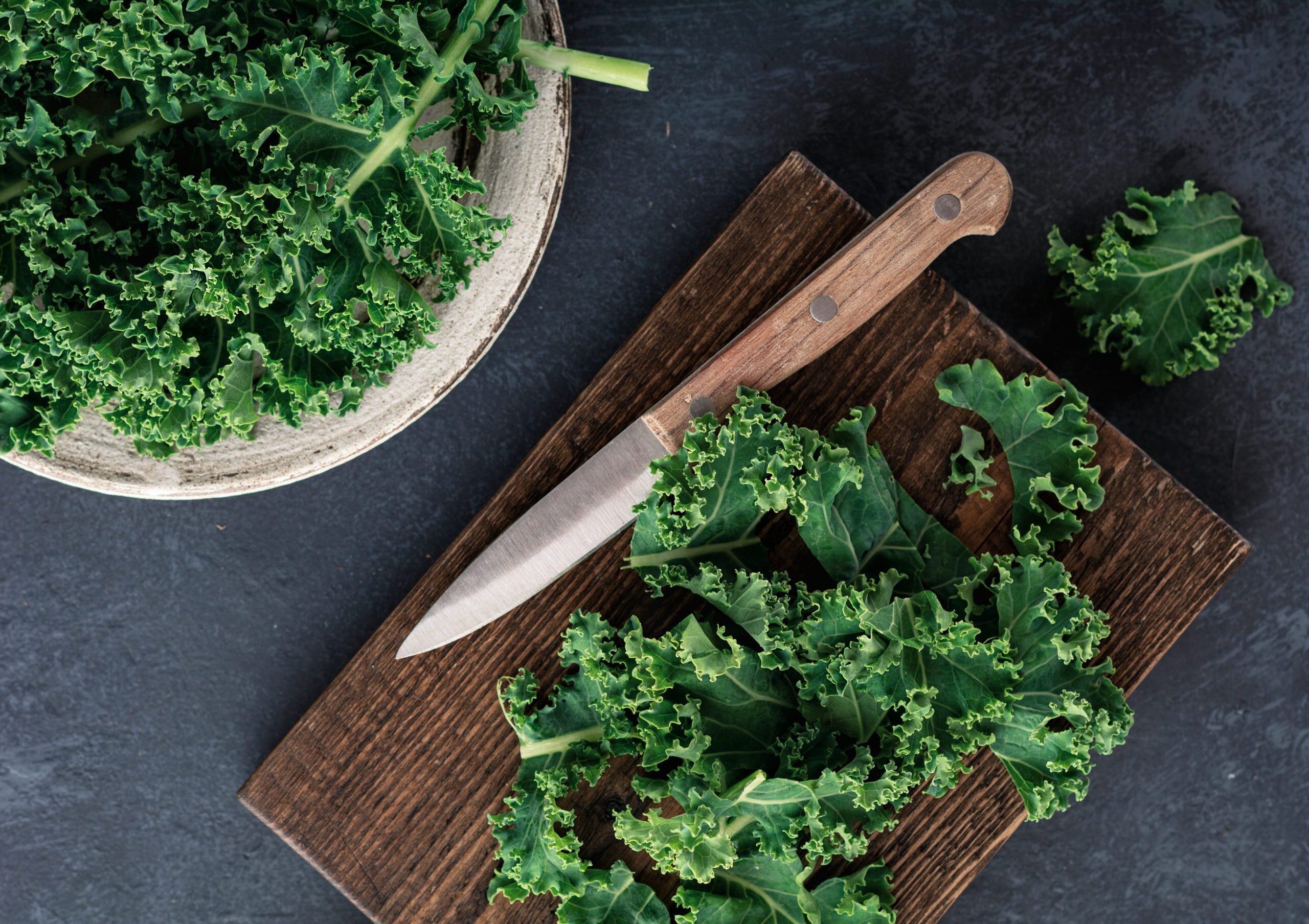
Kale is one of the easiest, hardiest and most useful vegetables you can grow in a UK garden.
While many summer vegetables have finished by the time autumn arrives, kale can keep going through cold weather and provide fresh leaves well into winter. Some varieties will even shrug off frost and continue cropping when much of the vegetable garden has become dormant.
That makes kale particularly valuable for anyone interested in growing food throughout the year rather than concentrating entirely on summer harvests.
It’s also surprisingly straightforward.
Give kale reasonably fertile soil, plenty of room, regular water while it’s establishing and some protection from common brassica pests, and you’ll potentially be harvesting leaves for months.
In this beginner’s guide, we’ll cover when to sow kale in the UK, how to plant it, growing kale in containers, watering and feeding, protecting plants from pests, harvesting and the best varieties to try.
Kale at a Glance
| Sow | March – June |
| Plant outside | May – July |
| Harvest | September – March |
| Position | Full sun or partial shade |
| Difficulty | Easy |
| Spacing | Around 45-60 cm |
| Containers | Yes |
| Soil | Fertile, firm and moisture retentive |
| Watering | Regularly during dry periods |
| Frost Hardy | Yes, many varieties |
| Crop type | Brassica |
What Is Kale?
Kale belongs to the brassica family.
That makes it closely related to:
- Cabbage
- Broccoli
- Cauliflower
- Brussels sprouts
- Kohlrabi
Unlike cabbage, kale doesn’t normally form a tight central head.
Instead, it produces leaves around a central stem.
Those leaves can be harvested individually while leaving the growing point intact.
This is one of the reasons kale can crop for such a long period.
When to Sow Kale in the UK
Kale can generally be sown from:
March through to June
depending on the variety and when you want to harvest.
You can start earlier sowings under cover before making later sowings outdoors.
A simple approach for beginners is:
March–April
Sow under cover or in seed trays for earlier plants.
April–June
Continue sowing for autumn and winter crops.
May–July
Transplant established seedlings into their final growing positions.
Because kale is often grown for autumn and winter harvesting, there’s no need to panic if you haven’t sown it at the very beginning of spring.
A May or June sowing can still produce excellent winter plants.
Always check the packet for your particular variety.
How to Sow Kale Seeds
Kale is straightforward to start from seed.
You can sow into:
- Seed trays
- Modules
- Small pots
- An outdoor seedbed
For beginners, modules are particularly convenient because they make transplanting easy.
Fill each module with seed compost.
Make a small hole around:
1–2cm deep.
Place a seed inside and lightly cover with compost.
Water gently.
Keep the compost moist while the seeds germinate.
Once seedlings appear, give them plenty of light.
Sowing Kale Outdoors
Kale can also be sown in an outdoor seedbed.
Prepare a small area of reasonably fine soil and sow the seeds thinly.
Once the seedlings have developed several proper leaves, they can be carefully lifted and transplanted to their final growing positions.
Water them before lifting if the ground is dry.
Try to disturb the roots as little as possible during transplanting.
Hardening Off Kale Plants
Kale is hardy once established, but seedlings raised indoors or under glass still benefit from being hardened off.
This means gradually introducing them to outdoor conditions.
Over roughly a week or two:
- Put the plants outside in a sheltered position during the day.
- Bring them back under protection initially.
- Gradually increase the amount of time they spend outside.
- Once acclimatised, plant them into their final positions.
You don’t need to pamper kale excessively, but avoiding sudden environmental changes helps young plants establish successfully.
Where Should You Grow Kale?
Kale performs well in:
full sun or partial shade.
That’s another reason it’s such a useful vegetable.
While crops such as tomatoes and cucumbers really appreciate strong sunshine, kale is more tolerant of less-than-perfect conditions.
The ideal soil is:
- Fertile
- Moisture-retentive
- Well drained
- Firm
- Rich in organic matter
Because kale can become quite tall and leafy, a relatively sheltered position is useful in exposed gardens.
Preparing the Soil for Kale
Like other brassicas, kale benefits from fertile ground.
Before planting, improve poorer soil with well-rotted compost or organic matter.
Remove perennial weeds and rake the area reasonably level.
Kale also appreciates reasonably firm soil.
Once the plants become large, they can catch a surprising amount of wind.
Loose ground allows plants to rock backwards and forwards, potentially damaging their roots.
Firm the soil around each plant properly when transplanting.
How Far Apart Should Kale Be Planted?
Spacing depends somewhat on the variety.
For full-sized kale plants, aim for approximately:
45–60cm between plants.
Leave a similar distance between rows.
This might look excessive when you’ve got tiny seedlings.
It won’t look excessive in November when each plant is covered with enormous leaves.
If you’re growing kale specifically for smaller baby leaves, plants can be grown much closer together.
For mature winter plants, however, give them room.
How to Plant Kale
Dig a hole large enough to accommodate the root ball.
Place the seedling into the hole and fill around it with soil.
Firm the soil well.
Water thoroughly after planting.
The plant should feel securely anchored rather than wobbling excessively.
If you’re growing particularly tall varieties in an exposed garden, additional staking may eventually be worthwhile.
Growing Kale in Containers
Kale grows well in containers.
Compact varieties are particularly suitable.
For a mature plant, use a reasonably substantial pot — around:
30cm wide or larger
for one plant.
Larger containers provide:
- More root space
- Better moisture retention
- Greater stability
- More nutrients
Make sure the container has drainage holes.
Fill it with good-quality multipurpose compost.
Container-grown kale requires more frequent watering and feeding than plants growing in garden soil.
Growing Baby Kale in Containers
If you don’t have room for full-sized plants, there’s another option.
Grow kale specifically for baby leaves.
Sow seeds relatively densely in:
- Window boxes
- Shallow planters
- Large containers
Rather than allowing each plant to mature fully, harvest the leaves while they’re young and tender.
This produces a quicker crop and uses considerably less space.
It’s an excellent option for patios and balconies.
How Often Should You Water Kale?
Young kale should be watered regularly while establishing.
Once the plants are well rooted, they’re reasonably resilient.
During prolonged dry weather, however, water thoroughly.
Consistent moisture encourages good leafy growth.
This is especially important during summer when plants are developing rapidly.
Container-grown kale will require much more frequent checking because pots can dry out quickly.
Should You Mulch Kale?
Yes.
A layer of mulch around established plants can help:
- Retain moisture
- Suppress weeds
- Protect the soil surface
- Gradually add organic matter
Well-rotted compost works particularly well.
Apply it around the plants while leaving a small gap immediately around the stems.
Does Kale Need Feeding?
Kale is grown primarily for its leaves.
That means it benefits from fertile growing conditions.
If you’ve already improved your soil with well-rotted compost, plants may require relatively little additional feeding.
Where soil fertility is poor, a suitable general-purpose or nitrogen-rich vegetable feed can help support leafy growth.
Container-grown kale will generally require more regular feeding because the available nutrients are limited.
Always follow the instructions for the fertiliser you’re using.
Keep Kale Weed-Free
Kale plants become large enough to shade out some weeds eventually.
Young plants, however, can still struggle with competition.
Keep the surrounding soil reasonably weed-free while they’re establishing.
Hoe carefully between rows.
Close to the plant itself, hand weeding is safer.
A mulch can significantly reduce the amount of weeding required.
Protecting Kale from Pests
This is probably the main challenge.
Kale is easy to grow.
Unfortunately, plenty of wildlife agrees that kale is worth eating.
Because kale is a brassica, it shares many of the same pests as cabbage, broccoli and cauliflower.
For beginners, I’d strongly consider using fine insect mesh or suitable netting from the start.
Cabbage White Butterflies
Cabbage white butterflies are one of the biggest summer threats.
The butterflies lay eggs on brassica leaves.
Those eggs hatch into caterpillars.
The caterpillars then eat the leaves — sometimes remarkably quickly.
Inspect your plants regularly.
Pay particular attention to the undersides of leaves.
If you find eggs or caterpillars, remove them.
The easiest preventative measure is:
fine insect mesh.
Cover the kale before butterflies reach it and secure the edges properly.
Pigeons
Pigeons can cause significant damage to kale, particularly during winter.
When other food becomes scarce, an uncovered row of leafy kale can become extremely attractive.
Proper netting is one of the best solutions.
Support it on a frame above the plants rather than laying it directly on the leaves.
Remember that mature kale plants can become quite tall, so build the structure with future growth in mind.
Slugs and Snails
Young kale seedlings can be attacked by slugs and snails.
The most vulnerable period is shortly after germination and transplanting.
Check around plants regularly.
Once kale becomes large and established, minor slug damage is usually much less serious.
Cabbage Root Fly
Cabbage root fly affects several brassica crops.
The adult flies lay eggs near the base of the plant.
Their larvae can then feed on the roots.
Brassica collars placed closely around the base of young plants can help reduce the risk.
Clubroot
Clubroot is a serious soil-borne disease affecting brassicas.
Infected roots can become swollen and distorted.
Above ground, plants may:
- Wilt
- Grow poorly
- Become stunted
- Fail to develop normally
Once clubroot is present, it can remain in the soil for years.
This is one reason crop rotation is important.
Avoid repeatedly planting kale, cabbage, broccoli and other brassicas in exactly the same area.
Whitefly on Kale
Whitefly can sometimes become particularly noticeable on kale.
Disturb an affected plant and you may see clouds of tiny white insects flying from the leaves.
Check underneath the foliage.
Small populations aren’t necessarily catastrophic, but heavy infestations can weaken plants.
Good airflow, healthy plants and regular inspection help.
Why Are My Kale Leaves Turning Yellow?
Some yellowing of older leaves is completely normal.
Remove old lower leaves as they deteriorate.
More widespread yellowing could indicate:
Waterlogging
Constantly wet soil can damage roots.
Drought
Plants also suffer when severely dry.
Nutrient deficiency
Particularly in containers.
Disease
Inspect the whole plant for other symptoms.
Don’t assume a single yellow leaf means something is seriously wrong.
Look at the overall condition of the plant.
Why Does My Kale Have Holes in the Leaves?
The most likely culprits include:
- Caterpillars
- Slugs
- Snails
- Pigeons
Inspect both sides of the leaves carefully.
Caterpillars can blend remarkably well into the foliage.
If the damage appears during summer, cabbage white caterpillars are one of the first things I’d check.
Why Is My Kale Growing Tall?
That’s often completely normal.
Some kale varieties naturally develop a tall central stem with leaves growing around it.
However, during spring, overwintered kale may also begin producing a flowering stem.
This is called:
bolting.
Once kale begins flowering, leaf production declines and the plant is approaching the end of its useful cropping life.
At that stage, harvest whatever usable leaves remain.
Does Kale Taste Better After Frost?
You’ll often hear gardeners say that kale tastes sweeter after frost.
There’s some truth behind the idea.
Cold conditions can cause changes in the plant’s carbohydrate metabolism, increasing soluble sugars that help protect plant cells from freezing.
To us, that can make the leaves taste sweeter and less bitter.
You don’t have to wait for frost before harvesting kale, but winter-harvested leaves can be particularly good.
Can Kale Survive Frost?
Yes.
Many kale varieties are remarkably hardy.
Established plants can continue standing through:
- Frost
- Cold rain
- Snow
- Typical British winter weather
Hardiness varies by variety, and extremely severe conditions can still cause damage.
But compared with tender crops such as French beans, cucumbers and chillies, kale is in a completely different league.
This makes it one of the most valuable vegetables for winter growing.
Best Kale Varieties for Beginners
There’s considerably more variety available than the bags of chopped curly kale in supermarkets might suggest.
Dwarf Green Curled
A traditional compact curly kale.
It’s hardy, productive and well suited to smaller spaces.
Good for: Beginners and exposed gardens.
Nero di Toscana
Also known as:
Cavolo Nero
or
Tuscan kale.
It produces long, narrow, very dark green leaves with a heavily textured surface.
Excellent in soups, stews and pasta dishes.
Good for: Flavour and attractive plants.
Red Russian
Produces attractive blue-green leaves with purple-red stems.
The younger leaves are particularly tender.
Good for: Salads and cooking.
Redbor
An extremely decorative curly kale with deep purple-red foliage.
It’s attractive enough to grow in ornamental borders as well as vegetable beds.
Good for: Winter colour and edible gardening.
Pentland Brig
A traditional Scottish variety known for hardiness.
It was developed to cope with challenging northern growing conditions.
Good for: Colder and exposed UK gardens.
Can You Grow Kale in Scotland?
Absolutely.
Kale is one of the vegetables particularly well suited to Scottish conditions.
It tolerates cool temperatures considerably better than many summer crops and can continue producing through autumn and winter.
Choose a hardy variety and give plants a reasonably sheltered position if your garden is extremely exposed.
For northern gardens, kale can often be a considerably more dependable crop than heat-loving vegetables such as aubergines or outdoor cucumbers.
Can Kale Grow in Partial Shade?
Yes.
Kale performs best with good light, but it’s relatively tolerant of partial shade.
That makes it useful if your vegetable garden doesn’t receive full sun all day.
In fact, some shade during hot summer weather isn’t necessarily a problem.
If your garden contains a slightly less sunny vegetable bed, kale is one of the crops I’d consider for it.
Can You Grow Kale All Year Round?
You can harvest kale during a surprisingly large portion of the year.
The typical strategy is:
Sow in spring
then
Grow through summer
then
Harvest throughout autumn and winter.
Some plants continue producing into early spring.
Eventually, rising temperatures and increasing daylight encourage overwintered plants to flower.
At that point it’s usually time to replace them with the next crop.
When Is Kale Ready to Harvest?
You don’t need to wait for the plant to reach some magical final size.
Once it has produced plenty of healthy leaves, you can begin harvesting.
For baby kale, leaves can be picked very young.
For mature plants, begin removing the larger outer or lower leaves once they’re a useful size.
Leave the central growing point intact.
The plant will continue producing.
How to Harvest Kale
The best harvesting method is:
pick from the bottom upwards.
Remove the older outer leaves while allowing younger leaves around the growing tip to remain.
You can:
- Snap leaves away carefully
- Cut them with a knife
- Use secateurs
Don’t remove every leaf from the plant at once.
Continuous harvesting works because enough foliage remains for the plant to continue growing.
How Much Kale Can You Harvest From One Plant?
There’s no fixed amount.
Variety, weather, fertility and harvest frequency all affect productivity.
But one mature kale plant can produce leaves repeatedly for many months.
This is why you don’t necessarily need twenty plants.
For a small household, around:
4–6 healthy plants
can provide a surprisingly useful amount of kale.
If you eat it frequently, grow more.
Harvesting Kale for Baby Leaves
You can also sow kale specifically for young leaves.
Harvest when the foliage is still small and tender.
Baby kale is excellent for:
- Salads
- Sandwiches
- Smoothies
- Lightly cooked dishes
You can make repeated sowings through the growing season for a continuous supply.
This is a very efficient way to grow kale in containers.
Should You Remove Old Kale Leaves?
Yes.
Older lower leaves eventually:
- Yellow
- Become damaged
- Touch the soil
- Develop pest problems
Remove these regularly.
This keeps the plant tidier and improves airflow.
Don’t strip healthy foliage unnecessarily, though.
The plant still needs its leaves to photosynthesise.
Can You Eat Kale Flowers?
Yes.
When overwintered kale begins flowering in spring, the tender flowering shoots are edible.
They’re somewhat similar to sprouting broccoli.
Rather than immediately pulling the plant out when it starts flowering, you can harvest some of these young shoots.
Eventually, though, the plant becomes tougher and less productive.
Then it’s time to clear the bed.
Can You Eat Kale Stems?
Yes, although mature stems can be quite tough.
For large leaves, many people remove the thick central rib before cooking.
Young stems are much more tender.
Tougher stems can still be:
- Finely chopped
- Added to soups
- Cooked for longer
- Used in stocks
Growing your own encourages you to use considerably more of the plant.
How to Store Fresh Kale
Freshly harvested kale can be stored in the refrigerator.
Ideally, use it relatively quickly while the leaves are still firm.
Don’t wash it until you’re ready to use it if you want to maximise storage life.
For longer-term preservation, kale can also be:
- Blanched and frozen
- Added to soups for freezing
- Made into pesto
- Dehydrated
- Turned into kale chips
Freezing is particularly useful if several plants suddenly produce more leaves than you can eat.
Successional Sowing for Kale
Because mature kale plants crop for such a long time, you don’t need to sow new plants every two weeks in the same way you might with radishes.
However, making two or three sowings can be useful.
For example:
Early sowing: March–April
Main sowing: May
Later sowing: June
This provides plants at different stages and gives you some insurance if an early crop suffers pest damage.
Growing Kale as a Cut-and-Come-Again Crop
Kale is ideally suited to cut-and-come-again harvesting.
Instead of harvesting the entire plant:
- Remove several mature leaves.
- Leave the growing point.
- Allow new leaves to develop.
- Return and harvest again.
This extends the cropping period enormously.
It’s one of the reasons kale represents such good value in a small vegetable garden.
Crop Rotation for Kale
Because kale belongs to the brassica family, avoid repeatedly planting it in the same location.
Other brassicas include:
- Broccoli
- Cabbage
- Cauliflower
- Brussels sprouts
- Kohlrabi
Growing brassicas in exactly the same bed year after year can encourage a build-up of pests and diseases such as clubroot.
A simple rotation might be:
Legumes → Brassicas → Roots → Other vegetables
You don’t need to make crop rotation overly complicated.
The key principle is simply to move plant families around where possible.
What Can You Grow After Kale?
Because winter kale may remain in the ground until spring, you’ll often be clearing it around the time you’re preparing for summer crops.
Depending on your rotation plan, you could follow it with:
- French beans
- Courgettes
- Lettuce
- Beetroot
- Onions
- Leeks
- Other non-brassica crops
Avoid immediately replacing it with another brassica if you have enough growing space to rotate your crops.
Growing Kale Month by Month
| Month | What to do |
|---|---|
| January | Harvest established winter kale |
| February | Continue harvesting and plan new varieties |
| March | Begin early sowings |
| April | Sow and care for seedlings |
| May | Sow and begin planting out |
| June | Plant out main winter crop |
| July | Water, weed and protect from caterpillars |
| August | Maintain plants and begin early harvests |
| September | Main harvesting begins |
| October | Continue harvesting |
| November | Harvest winter leaves and protect from pigeons |
| December | Continue harvesting hardy varieties |
What You’ll Need to Grow Kale
Kale requires very little specialist equipment.
For most gardeners, I’d recommend:
Kale seeds
Seed trays or modules
Seed compost
Hand trowel
Watering can
Fine insect mesh
Netting supports
Brassica collars
Well-rotted compost
Plant labels
If you regularly grow kale, cabbage, broccoli and cauliflower, investing in a reusable brassica cage can make life considerably easier.
The same protected area can be used for several crops from the same family.
[See Our Recommended Vegetable Garden Netting →]
[See Our Recommended Raised Beds →]
[See Our Recommended Garden Planters →]
[Essential Equipment Every Gardener Needs →]
Kale Growing FAQs
Is kale easy to grow?
Yes. Kale is one of the easier brassicas for beginners. The main challenge is protecting young plants from caterpillars, pigeons, slugs and other pests.
When should I sow kale in the UK?
Kale can generally be sown from March through June, depending on the variety and when you want to harvest.
Can kale survive winter?
Many varieties are extremely hardy and can remain productive through typical UK winter conditions.
Does kale need full sun?
Full sun is excellent, but kale can also tolerate partial shade.
Can kale be grown in pots?
Yes. Use a reasonably large container for mature plants or sow more densely if you’re growing baby leaves.
How far apart should kale plants be?
Around 45–60cm apart is suitable for many full-sized varieties.
Should kale be covered with netting?
I’d strongly recommend protecting kale from cabbage white butterflies and pigeons.
How do you harvest kale so it keeps growing?
Harvest mature leaves from the outside and bottom of the plant while leaving the central growing point intact.
Does kale grow back after picking?
Yes. If you harvest individual leaves correctly, the plant continues producing new growth.
Does frost make kale sweeter?
Cold conditions can increase soluble sugars in kale leaves, which can make winter-harvested kale taste sweeter.
Can you eat kale flowers?
Yes. Tender flowering shoots produced in spring are edible and can be cooked similarly to sprouting broccoli.
How many kale plants should I grow?
For a small household, around 4–6 mature plants is a sensible starting point. Increase that if you eat kale frequently.
Final Thoughts
Kale deserves a place in almost every productive vegetable garden.
It’s easy to start from seed, doesn’t demand perfect weather and provides food during months when many other crops have finished.
And unlike vegetables where months of work lead to one harvest, kale keeps giving.
Pick a few leaves.
Come back later.
Pick some more.
For your first attempt, I’d grow around four to six plants and choose at least two varieties.
A traditional curly kale gives you a dependable winter crop, while something like Nero di Toscana adds a completely different texture and appearance.
If you’re gardening somewhere particularly cool or exposed, a hardy variety such as Pentland Brig is especially worth considering.
The one thing I wouldn’t neglect is protection.
Cover young plants with appropriate mesh before cabbage white butterflies discover them, and make sure pigeons can’t reach the crop during winter.
Do that, keep the plants watered while they’re establishing, and kale will take care of much of the rest itself.
When January arrives and you’re still walking outside to pick fresh leaves from the vegetable garden, you’ll appreciate why generations of British gardeners have relied on this remarkably tough vegetable.