Gardeners Guide · Grow your own
Kale is one of the best vegetables for keeping your garden productive through the colder months.
It’s tough, dependable and capable of standing outside through weather that brings many other vegetable crops to an end.
In fact, cold weather can actually improve the eating quality of kale, with leaves often becoming sweeter after exposure to frost.
The important thing to understand is that winter kale is normally started earlier in the year and grown into a strong plant before winter arrives.
Once established, however, it can provide fresh leaves throughout autumn, winter and into the following spring.
Here’s how to grow and harvest kale successfully through the colder months in the UK.
Kale at a Glance
| Kale | |
|---|---|
| Main sowing period | March–June |
| Plant out | Late spring–summer |
| Main winter harvest | October–March |
| Difficulty | Easy |
| Position | Sun or partial shade |
| Plant spacing | Around 45cm |
| Containers | Yes |
| Frost hardy | Yes |
| Main winter problems | Pigeons, wind and waterlogging |
| Harvest method | Pick individual leaves |
Why Grow Kale Through Winter?
Kale is extremely useful because it reaches its best just as many summer vegetables are finishing.
An established plant can tolerate:
- Frost
- Cold temperatures
- Short winter days
- Exposed conditions better than many leafy vegetables
You don’t have to harvest the whole plant either.
Simply pick individual leaves when you need them and leave the plant growing.
A small number of healthy kale plants can therefore provide repeated harvests over several months.
Can You Sow Kale in Autumn?
Generally, if you want large plants for winter harvesting, it’s better to start earlier.
Most winter kale is sown during:
spring and early summer.
This gives the plants plenty of time to establish before temperatures fall.
Late sowings may still produce smaller leaves, particularly under protection, but don’t wait until November and expect to grow full-sized kale plants for Christmas.
Plan your winter kale in advance.
Choosing Kale for Winter Growing
There are several excellent types of kale.
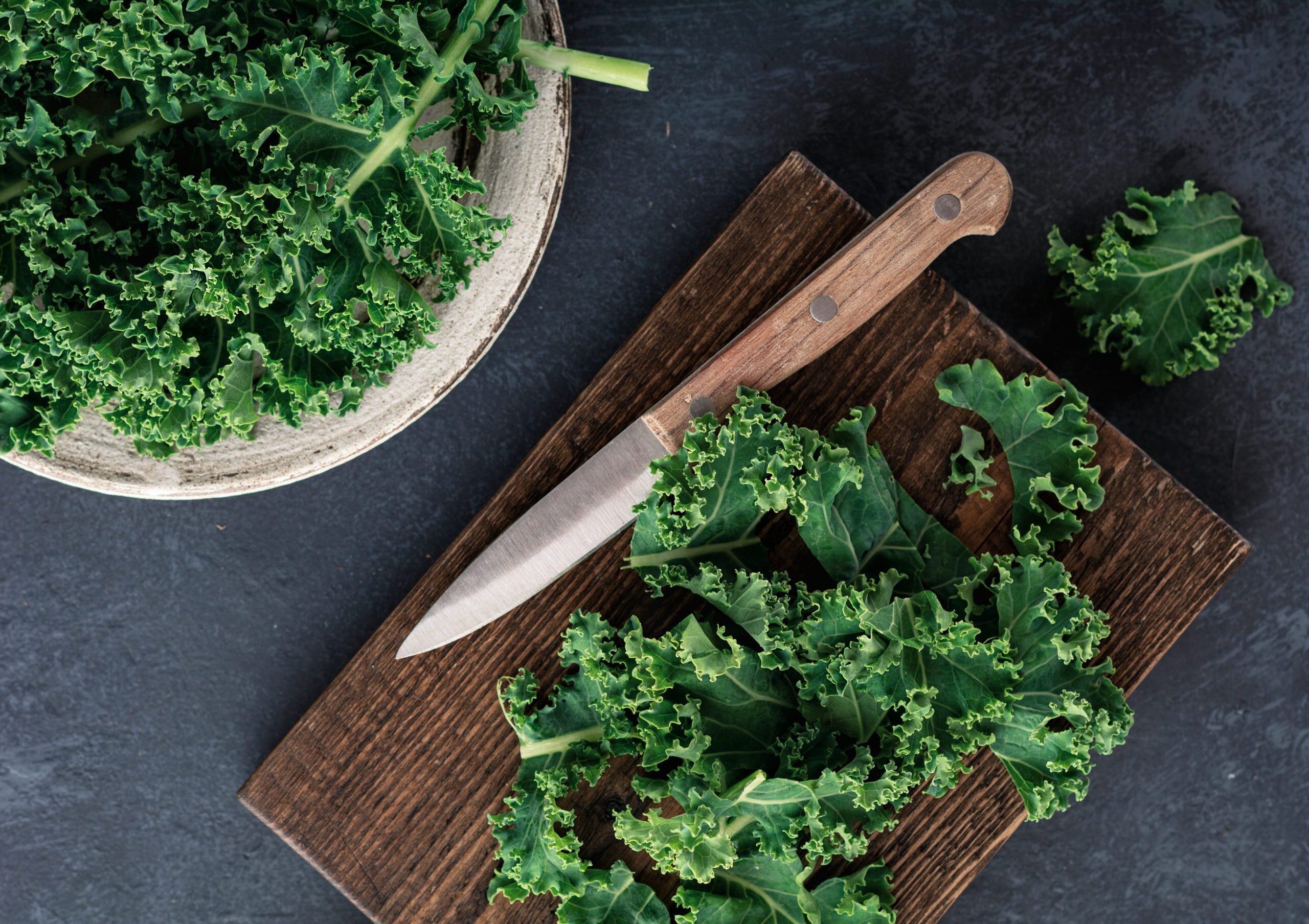
Curly Kale
Probably the most familiar type.
It produces tightly curled leaves and is extremely hardy.
Good for: Beginners and winter harvesting.
Cavolo Nero
Also known as Tuscan kale or black kale.
It produces long, dark leaves with a distinctive texture.
Good for: Cooking and smaller gardens.
Red Russian
Produces attractive blue-green leaves with purple stems.
Young leaves are particularly tender.
Good for: Baby leaves and mature crops.
Dwarf Green Curled
A compact curly kale that’s useful where space is limited.
Good for: Containers and smaller vegetable beds.
Where to Grow Kale
Kale grows best in:
sun or partial shade.
It’s considerably more tolerant of less-than-perfect conditions than many vegetables.
For winter growing, however, choose somewhere reasonably sheltered if possible.
Tall kale plants can become top-heavy and may suffer in strong winds.
Preparing the Soil
Kale prefers fertile soil that holds moisture but drains well.
Before planting, incorporate:
well-rotted compost or organic matter.
Firm the soil after planting.
This is particularly important with brassicas.
A loose root system combined with strong winter winds can cause plants to rock backwards and forwards.
This is known as:
wind rock.
Firm planting helps prevent it.
How Far Apart Should Kale Be?
For full-sized plants, leave approximately:
45cm between plants.
Some larger varieties may benefit from even more space.
If you’re growing baby leaves, plants can be much closer together.
Don’t overcrowd mature winter kale.
Good spacing improves airflow and gives each plant room to develop.
Growing Kale in Containers
Kale can grow very well in containers.
Choose a reasonably large pot with good drainage.
For a full-sized kale plant, I’d generally grow:
one plant per large container.
Compact varieties are particularly suitable.
Container-grown kale may need more regular watering and feeding than plants in the ground.
Growing Kale in Raised Beds
Raised beds are excellent for kale.
They can provide:
- Good drainage
- Fertile soil
- Easier weeding
- Easier pest protection
You can also install hoops over the bed and cover them with netting.
This is extremely useful because one of the biggest winter problems with kale isn’t frost.
It’s pigeons.
Protecting Kale from Pigeons
If you’ve never grown winter brassicas before, you may be surprised by how much damage pigeons can cause.
During summer there is plenty of other food available.
During winter, a bed full of fresh green kale becomes much more attractive.
Pigeons can strip leaves rapidly.
The most reliable protection is:
properly installed bird netting.
Make sure the netting is secured so birds can’t become trapped underneath it.
Ideally, support it on a frame rather than laying it directly over the plants.
Does Kale Need Frost Protection?
Established winter kale generally doesn’t need fleece simply because frost is forecast.
Kale is extremely hardy.
Some varieties can tolerate substantial frost.
Snow isn’t necessarily a problem either, although heavy snow can physically bend or damage plants.
After heavy snowfall, gently remove excessive weight if plants are being flattened.
Does Frost Make Kale Sweeter?
Often, yes.
Cold conditions can cause changes in the sugars within the leaves.
As a result, kale harvested after frost may taste:
milder and sweeter.
That’s one reason winter is such a good time to eat it.
Watering Kale During Winter
Established kale growing outdoors usually needs little additional watering during winter.
Natural rainfall is often sufficient.
The bigger concern can be:
too much water.
Avoid planting winter kale in areas that remain permanently waterlogged.
Check container-grown plants more frequently because pots behave differently from open ground.
Feeding Kale
Kale is a leafy crop and appreciates fertile soil.
If you’ve prepared the bed with good organic matter, established plants may need relatively little additional feeding during winter.
Growth naturally slows as temperatures and daylight fall.
Heavy feeding won’t force plants to grow normally in the middle of December.
Once growth resumes towards spring, plants may benefit from additional nutrients if the soil is poor.
Keep the Bed Weed-Free
Remove weeds while they’re small.
Although established kale is good at competing with weeds, keeping the bed reasonably clear reduces competition for:
- Water
- Nutrients
- Light
It also makes it easier to inspect the base of the plants for problems.
Supporting Tall Kale
Some kale varieties can become surprisingly tall.
Winter wind can cause plants to lean or loosen in the soil.
If necessary, support tall plants with:
a sturdy garden stake.
Tie the stem loosely using a soft plant tie.
Don’t tie it tightly enough to damage the stem.
Wind Rock
Wind rock occurs when strong winds repeatedly move the plant and loosen the root system.
Symptoms can include:
- Leaning plants
- Loose soil around the stem
- Poor growth
- Root damage
Firm the soil around affected plants.
Add a stake if necessary.
This is one reason kale should be planted firmly from the beginning.
How to Harvest Kale
Don’t pull out the entire plant.
Pick:
individual leaves.
Start with the older lower leaves.
Leave the younger leaves at the centre and top of the plant to continue developing.
This creates a long harvesting period.
How Much Kale Should You Harvest?
Don’t strip every leaf from the plant.
Take what you need and leave plenty behind.
During winter, replacement growth is slow.
A lightly harvested plant can continue producing for months.
When Should You Harvest Kale?
You can harvest kale whenever the leaves reach a useful size.
For winter crops, harvesting commonly continues from:
autumn through March and sometimes beyond.
Young leaves are more tender.
Larger leaves have a stronger flavour and firmer texture.
Harvesting Baby Kale
You don’t have to wait for large leaves.
Young kale leaves can be harvested as:
baby leaves.
These are particularly useful for:
- Salads
- Sandwiches
- Stir-fries
Baby kale can also be grown more densely than full-sized plants.
What Happens During Midwinter?
Growth slows dramatically.
That’s normal.
Your plants may produce very little new foliage during the darkest weeks of December and January.
Harvest carefully during this period.
As daylight increases later in winter, growth should begin accelerating again.
What Happens in Spring?
Overwintered kale often produces another flush of growth as temperatures rise.
Eventually, however, the plant prepares to flower.
You’ll notice:
- Taller growth
- Flowering shoots
- Changes in leaf quality
At this point, harvest the remaining useful leaves.
The young flowering shoots can also be edible and are sometimes cooked similarly to sprouting broccoli.
Cabbage White Caterpillars
These are generally more of a problem earlier in the growing season than during winter.
Cabbage white butterflies lay eggs on brassicas and the caterpillars can rapidly damage leaves.
Inspect plants regularly during summer and early autumn.
Fine insect mesh can prevent butterflies reaching the crop.
Cabbage Aphids
Grey-green aphids can gather on kale leaves.
Check:
- Leaf undersides
- Growing tips
- Curled foliage
Small infestations may be controlled naturally by predators.
Remove badly affected leaves if necessary.
Slugs and Snails
Slugs can damage young plants, particularly during wet autumn weather.
Established kale generally tolerates some damage.
Keep the surrounding area reasonably tidy and inspect plants regularly.
Clubroot
Clubroot is a serious brassica disease.
Affected plants may show:
- Poor growth
- Wilting
- Yellowing
- Swollen and distorted roots
The organism responsible can remain in contaminated soil for many years.
Crop rotation is therefore important.
Avoid repeatedly growing kale and other brassicas in exactly the same place.
Which Vegetables Are Brassicas?
Kale belongs to the same family as:
- Cabbage
- Broccoli
- Cauliflower
- Brussels sprouts
If you’re rotating crops, treat these as the same crop family.
Don’t grow kale one year and cabbage in the same spot the next and assume you’ve rotated the crop.
Why Are My Kale Leaves Yellow?
Some older lower leaves naturally turn yellow.
Remove them.
More widespread yellowing can indicate:
- Waterlogging
- Nutrient deficiency
- Root problems
- Disease
During winter, also remember that plants naturally grow more slowly.
Why Does My Kale Have Holes in the Leaves?
Possible causes include:
- Caterpillars
- Slugs
- Snails
- Pigeons
The type of damage usually provides clues.
Large areas of missing foliage during winter often point towards pigeons.
Can Kale Grow in Scotland?
Yes.
Kale is particularly well suited to cooler climates and is one of the most reliable winter vegetables for Scottish gardens.
Choose a hardy variety and, in exposed locations, protect plants from strong wind.
Good drainage remains important during prolonged wet weather.
Can You Grow Kale in a Greenhouse Over Winter?
Yes, although established winter kale generally doesn’t require greenhouse protection.
Greenhouse space may be better used for less hardy crops such as:
- Spinach
- Winter lettuce
- Salad leaves
However, smaller kale plants and baby-leaf crops can certainly be grown under cover.
What Can You Grow Alongside Kale?
Kale can share a vegetable garden with many other winter crops.
Good companions in a winter growing area include:
- Leeks
- Spinach
- Garlic
- Onions
- Winter lettuce
Give mature kale plenty of space so it doesn’t shade smaller plants excessively.
What to Grow After Kale
Once overwintered kale finishes in spring, remove the plant and prepare the bed for another crop.
Depending on your crop rotation, options might include:
- Peas
- French beans
- Courgettes
- Lettuce
Avoid immediately replacing kale with another brassica where possible.
Kale Through Autumn and Winter
| Period | What to do |
|---|---|
| August | Keep plants watered and monitor caterpillars |
| September | Begin harvesting established plants |
| October | Continue harvesting and install bird protection |
| November | Check stakes, netting and drainage |
| December | Harvest leaves as required |
| January | Harvest lightly during slow growth |
| February | Watch for stronger new growth |
| March | Continue harvesting |
| April | Harvest new shoots and remove plants as they begin flowering |
What You’ll Need
Winter kale doesn’t require much specialist equipment.
I’d recommend:
Kale seeds or young plants
Garden fork
Hand trowel
Well-rotted compost
Garden stakes
Soft plant ties
And most importantly for many gardens:
bird netting or a vegetable cage.
If you’re planning to grow brassicas regularly, a proper netted growing area can be one of the most useful additions to your vegetable garden.
Winter Kale FAQs
Can kale grow through winter in the UK?
Yes. Kale is one of the hardiest vegetables commonly grown in UK gardens and established plants can remain productive throughout winter.
When should I sow kale for winter?
Winter kale is generally started during spring or early summer so plants are well established before cold weather arrives.
Can I sow kale in October?
You can make late sowings for small leaves or protected growing, but October is generally too late to start large plants for a substantial winter harvest.
Does kale survive frost?
Yes. Established hardy varieties tolerate frost very well.
Does frost make kale taste better?
Cold conditions can make kale taste sweeter and less bitter.
Does kale need covering in winter?
Usually not for temperature alone. However, bird netting is often essential because pigeons can cause significant damage.
Can kale grow in pots?
Yes. Compact varieties are particularly suitable for containers.
How do you harvest kale?
Pick the larger lower leaves individually and leave the younger central growth intact.
How long can you harvest kale?
Established plants can potentially provide leaves from autumn through winter and into spring.
Why have pigeons eaten my kale?
Fresh brassica leaves become particularly attractive to pigeons when other food becomes scarce during winter. Proper netting is the most reliable protection.
Can you grow kale in Scotland?
Yes. Kale is an excellent winter vegetable for Scottish gardens, although plants in exposed locations may benefit from staking and shelter.
Final Thoughts
If you want fresh vegetables from the garden in the middle of winter, kale should be near the top of your list.
It’s hardy.
It’s productive.
It doesn’t require a greenhouse.
And rather than harvesting the whole plant, you can pick a handful of leaves whenever you need them.
The important part is planning ahead.
For a proper winter crop, don’t wait until autumn to start.
Sow or plant your kale earlier in the year so you have strong, established plants before the cold weather arrives.
Then concentrate on three things:
good drainage, protection from strong winds and protection from pigeons.
Frost itself usually isn’t the problem.
In fact, a touch of frost can improve the flavour.
Harvest the lower leaves regularly, leave the centre growing and your plants can continue supplying the kitchen while much of the rest of the vegetable garden is dormant.
For beginners looking to grow food throughout the year, kale is one of the easiest winter crops I’d recommend.
Continue Your Winter Growing
10 Vegetables to Grow Through Autumn and Winter
How to Grow Garlic Through Autumn and Winter
How to Grow Broad Beans Through Autumn and Winter
How to Grow Onions Through Autumn and Winter
How to Grow Spinach Through Autumn and Winter