Gardeners Guide · Grow your own
Beetroot is one of the easiest vegetables to grow at home, making it an excellent choice if you’re new to growing your own food.
It doesn’t need a huge amount of space, grows happily in the ground or containers, and you don’t have to wait all year for a harvest. Sow little and often through spring and summer and you can enjoy fresh beetroot for months.
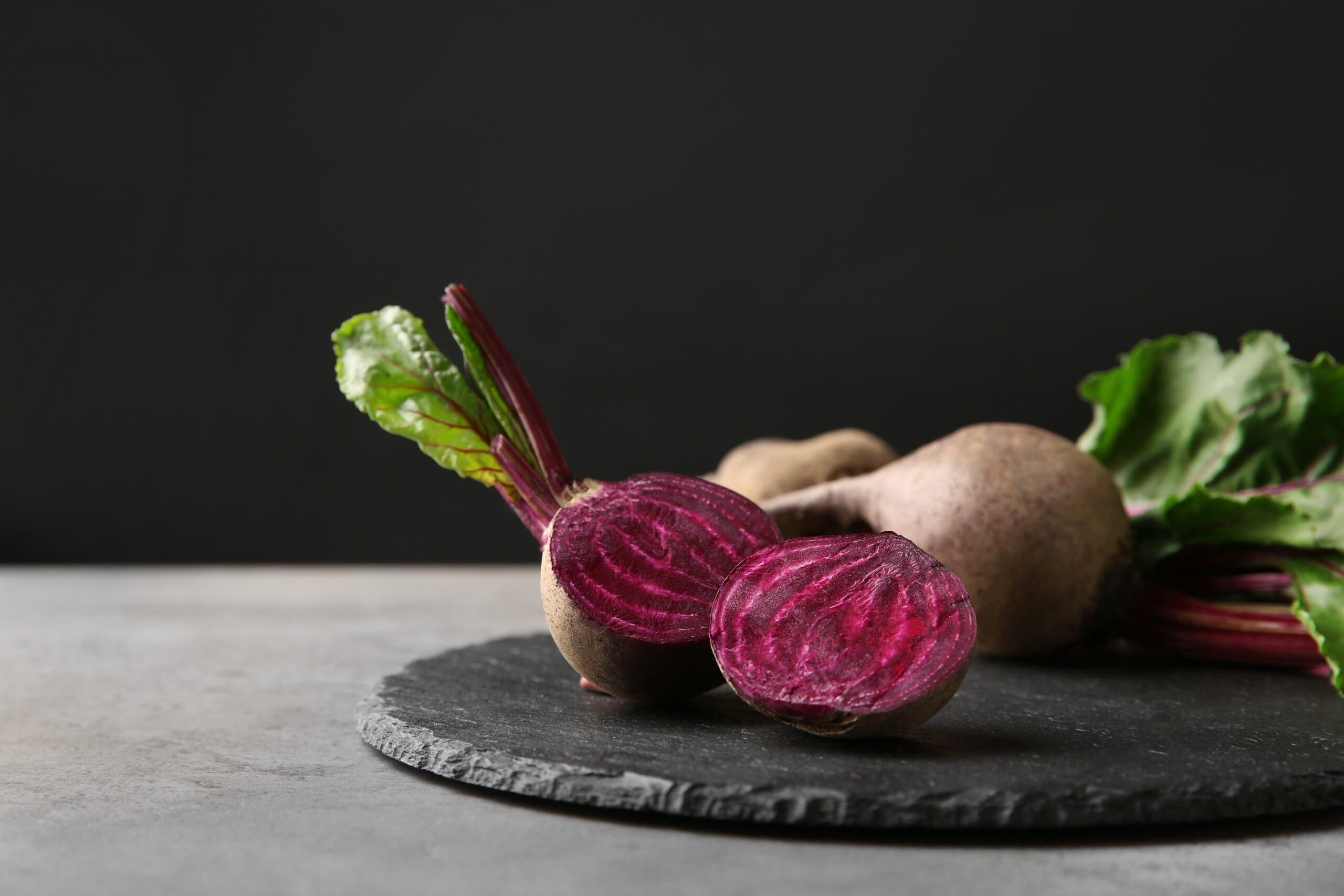
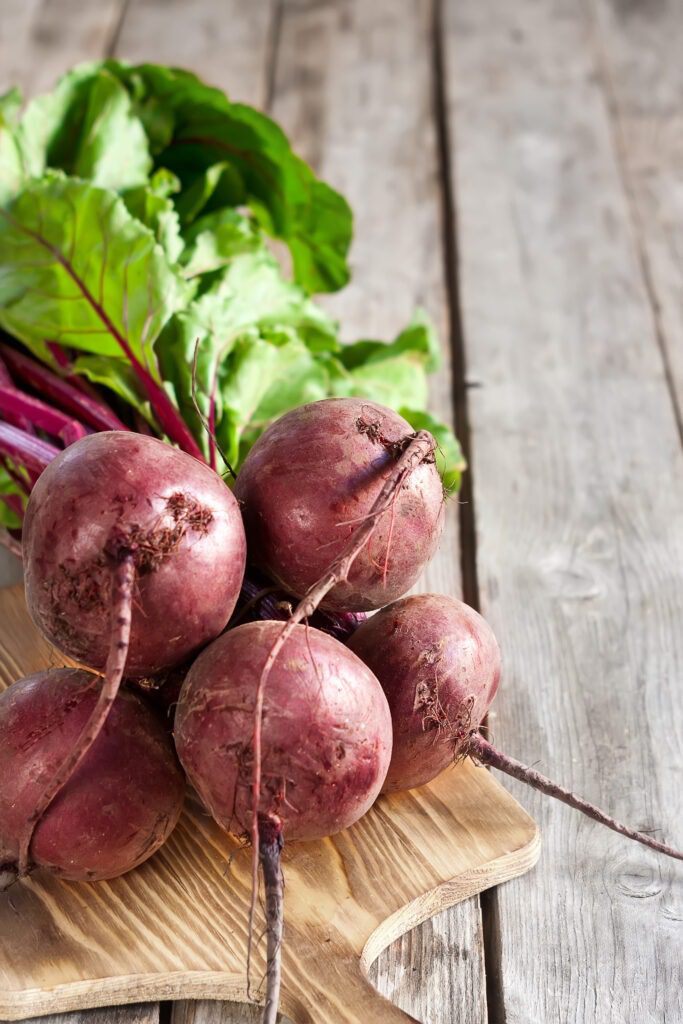
And there’s more to beetroot than the familiar round, deep-purple roots you see in supermarkets. You can grow golden, striped and cylindrical varieties too — and even the young leaves are edible.
In this beginner’s guide, we’ll take you through when to sow beetroot in the UK, how to grow it, watering, feeding, harvesting and the common problems to watch out for.
| 🌱 Sow | February–July |
| 🧺 Harvest | May–October/November |
| ☀️ Position | Full sun or light shade |
| 🌡️ Difficulty | Easy |
| 📏 Final spacing | Around 10cm |
| 🪴 Containers | Yes |
| 🌱 Direct sowing | Recommended |
| ⏱️ Time to harvest | Around 8–12 weeks |
| 💧 Watering | Regularly during dry weather |
| 🥬 Leaves edible? | Yes |
Why Grow Beetroot?
Beetroot is a brilliant crop for beginners because it’s relatively forgiving.
You don’t need a greenhouse, complicated equipment or an enormous vegetable patch.
It can be grown in:
- Vegetable beds
- Raised beds
- Allotments
- Large containers
- Patio planters
Beetroot also grows relatively quickly. Depending on the variety and conditions, you can potentially start harvesting small roots around 8–12 weeks after sowing.
Another advantage is that you don’t necessarily have to harvest everything at once.
Pick some roots young and leave others to develop further.
The leaves shouldn’t be ignored either. Young beetroot leaves can be added to salads, while larger leaves can be cooked in a similar way to chard or spinach.
When to Sow Beetroot in the UK
For most UK gardeners, the main beetroot sowing period runs from March through to July.
In milder areas, or with some protection such as a cloche or fleece, you can potentially make an earlier sowing from around February using a suitable bolt-resistant variety.
For beginners, however, there’s no need to rush.
March or April is an excellent time to start.
A simple sowing calendar
| Month | What to do |
|---|
| February | Early protected sowings |
| March | Start direct sowing in milder conditions |
| April | Excellent sowing month |
| May | Continue sowing |
| June | Continue for later harvests |
| July | Final sowings for autumn |
| August onwards | Harvest established crops |
One of the best approaches is successional sowing.
Rather than planting an enormous row in April and ending up with 30 beetroot ready at the same time, sow a smaller amount every few weeks.
That gives you a much longer harvesting period.
Where Should You Grow Beetroot?
Beetroot performs best in a reasonably sunny position.
Aim for somewhere receiving plenty of daylight, although beetroot will tolerate some light shade.
The soil should ideally be:
- Fertile
- Free draining
- Moisture retentive
- Relatively free from large stones
Avoid freshly manured ground immediately before sowing.
Extremely rich or freshly manured soil can encourage excessive leafy growth and poorly shaped roots.
If you’re preparing the bed beforehand, adding well-rotted compost is a better approach.
Preparing the Soil
You don’t need to prepare the ground to an enormous depth.
Start by removing weeds and large stones, then break up any compacted surface soil with a garden fork.
Rake the surface until you’ve got a relatively fine, level seedbed.
Beetroot roots develop better when they’re not fighting their way through heavily compacted or stony soil.
If your garden has very heavy clay, growing beetroot in a raised bed or container can sometimes be easier.
How to Sow Beetroot
Beetroot is generally straightforward to sow directly where you want it to grow.
Create a shallow drill approximately 2cm deep.
Water the drill if the soil is particularly dry.
Place the seeds along the row and cover them gently with soil.
If you’re growing several rows, leave roughly 30cm between rows so you’ve got enough room to work around the plants.
Keep the area moist while the seedlings establish.
An important thing to know about beetroot ‘seeds’
What looks like one beetroot seed is often actually a small cluster containing several seeds.
That means you may get multiple seedlings emerging from what appeared to be a single seed.
Don’t worry.
Once they’ve established, you can thin them.
Thinning Beetroot Seedlings
Once the seedlings are large enough to handle, thin them so the developing roots have enough room.
For good-sized beetroot, aim for approximately:
10cm between plants.
If you want to harvest smaller baby beetroot, they can be grown a little closer together.
And don’t automatically throw away the seedlings you remove.
Tender young beetroot leaves can be eaten in salads.
That’s one of the nice things about growing beetroot — even thinning the crop can give you something to eat.
Growing Beetroot in Containers
Don’t have a vegetable patch?
No problem.
Beetroot grows very well in containers.
Choose a pot or planter that’s at least 20–25cm deep, preferably with a decent surface area so you can grow several plants.
Make sure there are drainage holes in the bottom.
Fill it with a good-quality multipurpose compost and sow the seeds roughly as you would in the ground.
Once the seedlings establish, thin them to provide sufficient space between plants.
Container tip
Containers dry out much faster than garden soil.
Check them regularly during warm weather.
Irregular watering can reduce root quality, so try to maintain fairly consistent moisture rather than allowing the compost to become bone dry before soaking it.
How Often Should You Water Beetroot?
Established beetroot doesn’t usually require constant watering in typical British weather.
During prolonged dry periods, however, give the plants a thorough watering.
The goal is consistent moisture.
Avoid alternating between extremely dry soil and huge amounts of water.
Regular moisture encourages steady root development.
Container-grown beetroot will require considerably more attention because compost loses moisture faster than open ground.
Does Beetroot Need Feeding?
Beetroot isn’t an especially demanding crop.
If you’ve prepared reasonably fertile soil with well-rotted organic matter, additional feeding may not be necessary.
For plants growing in containers, nutrients eventually become depleted.
A general-purpose liquid feed can therefore be useful during the growing season.
Avoid overdoing high-nitrogen fertilisers.
Too much nitrogen can encourage lots of impressive leaves without necessarily producing equally impressive roots.
And we’re growing beetroot primarily for what’s happening underneath the soil.
Weeding Around Beetroot
Keep the bed relatively weed-free, particularly while the beetroot plants are young.
Weeds compete for:
- Water
- Nutrients
- Light
- Growing space
Young beetroot seedlings can easily become overwhelmed.
Hand weeding is often safest when working very close to the plants.
A hoe is useful between established rows, but take care not to damage the developing roots.
Best Beetroot Varieties for Beginners
There are plenty of varieties to experiment with.
Boltardy
Probably one of the best-known beetroot varieties in the UK.
As the name suggests, it’s resistant to bolting and is a reliable choice for beginners.
Produces traditional round, deep-red roots.
Good for: Beginners and early sowing.
Detroit 2 / Detroit Dark Red
A classic beetroot producing rounded, dark-red roots.
Good for: A dependable traditional beetroot.
Chioggia
This one’s much more unusual.
Cut the root open and you’ll discover distinctive pink/red and white rings.
It looks fantastic sliced into salads.
Good for: Something different.
Burpees Golden
Produces golden-yellow roots rather than the familiar purple-red beetroot.
It also has the useful advantage of being less likely to stain your hands and chopping board bright purple.
Good for: Colourful salads and unusual crops.
Cylindra
Instead of producing a round root, Cylindra develops a longer cylindrical shape.
That makes it particularly useful if you want evenly sized slices.
Good for: Pickling and slicing.
Can You Grow Beetroot Between Other Crops?
Yes.
Because beetroot doesn’t occupy enormous amounts of space, it can work well alongside other vegetables.
Potential neighbours include:
- Lettuce
- Onions
- Peas
- Beans
- Brassicas
You can also use beetroot as a relatively quick crop in gaps while slower-growing vegetables are establishing.
When planning a vegetable garden, think vertically as well as horizontally.
A tall crop and a low-growing crop can sometimes use the same space more efficiently than two plants competing at exactly the same level.
Common Beetroot Problems
Beetroot is generally trouble-free, which is another reason it’s such a good beginner crop.
But there are a few things worth watching for.
Bolting
Bolting is when the plant prematurely starts producing flowers and seed instead of concentrating on developing the root.
It can be encouraged by stressful conditions, including cold weather early in the plant’s life.
How to reduce the risk
- Don’t sow too early without protection
- Choose bolt-resistant varieties for early sowing
- Keep plants watered during dry weather
- Avoid unnecessary stress
Leaf Miner
Leaf miners create pale tunnels or blotches inside the leaves.
The damage can look quite dramatic, although mild attacks don’t necessarily ruin the root crop.
Remove badly affected leaves where practical.
Birds and Other Animals
Young seedlings can occasionally be damaged by birds or other garden visitors.
Fine netting can help protect vulnerable young plants if this becomes a problem.
Small Roots
If your beetroot remains disappointingly small, possible causes include:
- Overcrowding
- Dry conditions
- Poor soil
- Too much competition from weeds
- Harvesting too early
Make sure you’ve thinned the plants sufficiently.
When Is Beetroot Ready to Harvest?
This is one of the most satisfying parts.
You can usually start harvesting beetroot once the roots reach roughly golf-ball size.
You don’t have to wait until they’re enormous.
In fact, younger roots are often particularly tender.
For many varieties, harvesting begins roughly 8–12 weeks after sowing, although weather, variety and growing conditions all influence this.
You’ll often see the top of the beetroot pushing above the soil, which makes judging its size relatively easy.
How to Harvest Beetroot
Harvesting is usually straightforward.
Grip the leaves close to the root and gently pull upwards.
In loose soil, the root should come away fairly easily.
If the soil is compacted, loosen around it carefully with a hand fork first.
Try not to stab the beetroot itself.
Freshly harvested beetroot is one of those vegetables that really demonstrates why growing your own is worthwhile.
Don’t Throw Away the Leaves
Beetroot gives you two crops in one.
The roots are the obvious harvest, but the leaves are edible too.
Young leaves
Use them raw in salads.
Larger leaves
Cook them similarly to spinach or Swiss chard.
When harvesting mature beetroot for storage, twist the leaves off rather than cutting extremely close to the root.
How to Store Beetroot
If you’re eating your beetroot fairly quickly, keep it somewhere cool or refrigerate it.
For longer-term storage, healthy roots can be kept in cool conditions after the leaves have been removed.
Don’t wash roots intended for longer storage until you’re ready to use them.
Beetroot can also be:
- Pickled
- Roasted and frozen
- Cooked and preserved
- Used in chutneys
Of course, there’s always the classic British option:
pickled beetroot.
Can You Grow Beetroot All Year Round?
Not outdoors in most of the UK.
The easiest approach is to sow from spring through midsummer and harvest from late spring into autumn.
With careful variety selection, protection and later sowings, experienced growers can extend the season further.
For a beginner, though, I’d concentrate on producing a reliable crop between spring and autumn.
Once you’ve mastered that, experiment.
Growing Beetroot: Month-by-Month
| Month | Beetroot jobs |
|---|---|
| January | Plan varieties and buy seed |
| February | Early protected sowings possible |
| March | Begin main sowing period |
| April | Sow and thin early seedlings |
| May | Sow more and begin early harvests |
| June | Harvest and continue successional sowing |
| July | Make final main sowings |
| August | Harvest regularly |
| September | Main harvesting |
| October | Harvest remaining roots |
| November | Late harvests where conditions allow |
| December | Plan next year’s crop |
What You’ll Need to Grow Beetroot
You don’t need much equipment.
For most gardeners:
🌱 Beetroot seeds
🪴 Container or prepared bed
🌿 Multipurpose compost if container growing
🖐️ Hand trowel
💧 Watering can
🏷️ Plant labels
If you’re starting a vegetable garden from scratch, take a look at our Essential Gardening Equipment Guide for the basic tools worth owning.
Essential Equipment Every Gardener Needs
Beetroot FAQs
Is beetroot easy to grow?
Yes. Beetroot is one of the easier vegetables for beginners and grows successfully in beds, raised beds and containers.
Can I grow beetroot in pots?
Absolutely. Choose a container at least around 20–25cm deep with good drainage and enough surface area to space the plants properly.
How long does beetroot take to grow?
Many varieties can produce harvestable roots in approximately 8–12 weeks, although growing conditions and the size you want to harvest them at will affect this.
Why are my beetroot plants all leaves and no root?
Overcrowding, excessive nitrogen, insufficient light and growing conditions can all contribute. Make sure plants have enough space and avoid excessive high-nitrogen feeding.
How many beetroot do you get from one plant?
Normally, one beetroot root per plant. Remember that one beetroot seed cluster can produce several seedlings, which may need thinning.
Can you eat beetroot leaves?
Yes. Young leaves are excellent in salads, while larger leaves can be cooked.
Should beetroot be grown in full sun?
Full sun is ideal, but beetroot can tolerate some light shade.
Final Thoughts
If you’re growing vegetables for the first time, beetroot deserves a place on your list.
It’s easy to sow, doesn’t require much space, grows well in containers and can produce a crop within a few months.
My biggest tip would be to avoid sowing the entire packet at once.
Sow a short row or small container every few weeks from spring into summer. Instead of suddenly having more beetroot than you know what to do with, you’ll have a steady supply of young roots throughout the season.
Start with a reliable variety such as Boltardy, keep the young plants watered and weed-free, give them enough room to develop, and let them do the rest.
Then comes the best bit:
pulling your first home-grown beetroot out of the soil.
Continue Your Grow Your Own Journey
A Beginner’s Guide to Growing Potatoes
A Beginner’s Guide to Growing Carrots
A Beginner’s Guide to Growing Tomatoes
A Beginner’s Guide to Growing Onions
A Beginner’s Guide to Growing Strawberries