Gardeners Guide · Grow your own
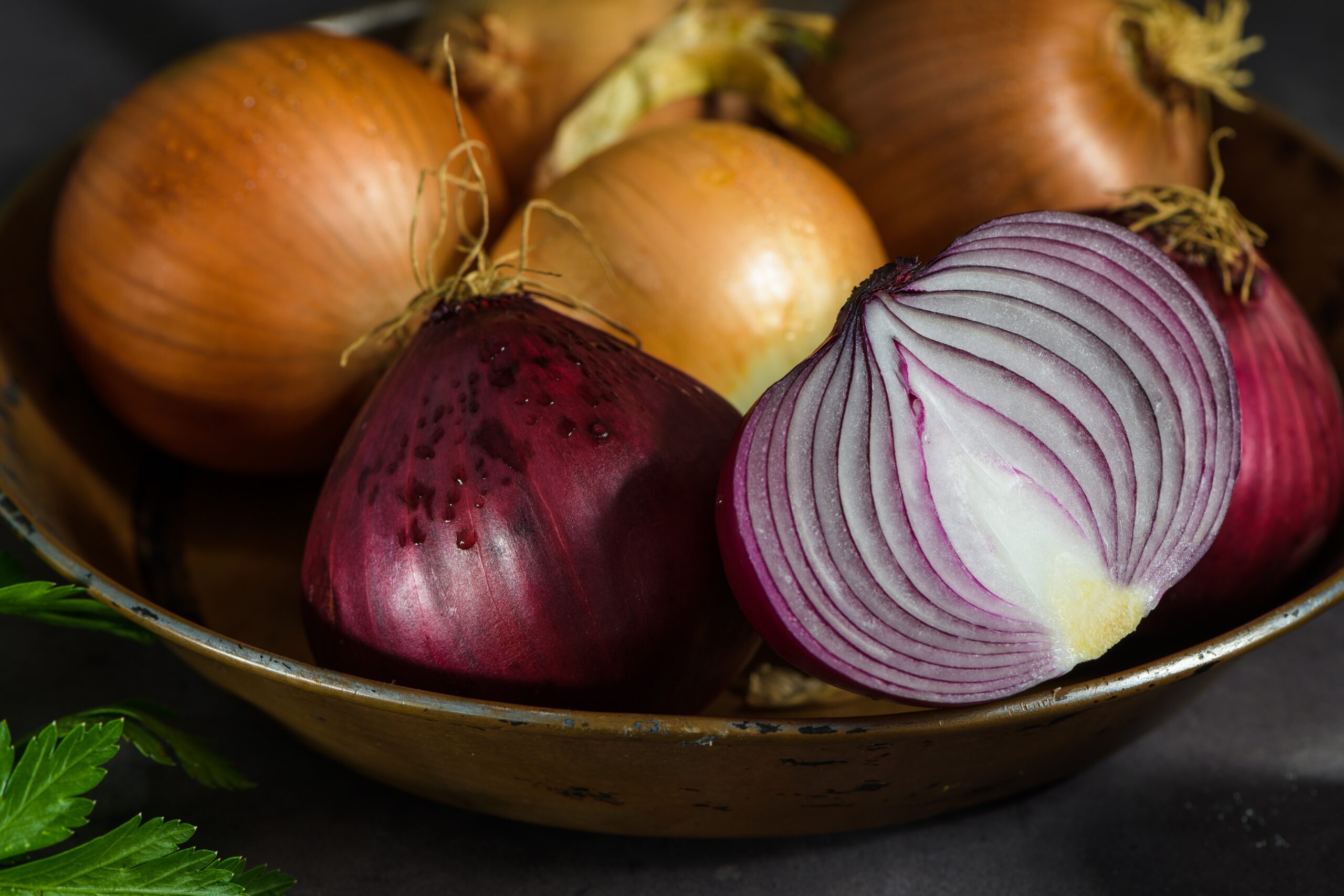
Onions are an excellent crop for keeping otherwise empty vegetable beds productive through autumn and winter.
Plant hardy autumn onion sets in September or October, allow them to establish before the worst winter weather arrives, and they’ll start growing strongly again in spring before being harvested the following summer.
They’re relatively low-maintenance, tolerate cold conditions well and are ideal for beginners.
The main thing to get right isn’t keeping them warm.
It’s keeping them well drained.
Here’s how to grow onions successfully through autumn and winter in the UK.
Autumn Onions at a Glance
| Autumn Onions | |
|---|---|
| Plant sets | September–October |
| Harvest | June–July |
| Difficulty | Easy |
| Position | Full sun |
| Spacing | Around 10cm |
| Rows | Around 25–30cm apart |
| Containers | Yes |
| Frost hardy | Hardy varieties tolerate normal winter cold |
| Main winter problem | Waterlogging |
| Best for beginners | Autumn onion sets |
Why Plant Onions in Autumn?
Most onions can be planted in spring, but autumn planting has several advantages.
The sets establish roots before winter and then remain relatively dormant during the coldest weather.
When temperatures begin rising in spring, they’re already established and ready to grow.
This can give you:
- An earlier harvest
- Larger established plants going into spring
- Productive beds through winter
- Less spring planting to do
For gardeners with limited space, autumn onions are also useful because they can be harvested in early summer, freeing the bed for another crop.
Onion Sets or Seeds?
For beginners, I’d recommend:
onion sets.
Sets are small, immature onion bulbs produced specifically for planting.
They’re easy to handle and establish more quickly than onions grown from seed.
Growing onions from seed gives you a much wider choice of varieties, but takes more time and requires more attention.
For straightforward autumn growing:
buy autumn-planting onion sets.
Choose the Right Variety
Don’t simply plant any onion set in autumn.
Look for varieties specifically described as:
autumn planting, overwintering or Japanese onions.
These varieties have been selected to tolerate colder conditions.
Popular choices include:
Senshyu Yellow
A well-known Japanese overwintering onion.
Produces good-sized yellow bulbs and is a popular choice for autumn planting.
Good for: Beginners.
Radar
A hardy autumn-planting variety producing reliable bulbs.
Good for: Colder conditions.
Electric
A red-skinned overwintering onion.
Useful if you want something different from standard yellow onions.
Good for: Red onions.
When to Plant Autumn Onion Sets
A good planting period for much of the UK is:
September to October.
You want the sets to establish roots before winter without producing excessive soft growth.
In colder northern areas, planting earlier in the autumn can give the onions more time to establish.
Avoid planting into:
- Frozen soil
- Saturated soil
- Very wet heavy clay
If conditions are poor, containers or raised beds may be a better option.
Where to Grow Autumn Onions
Choose a position with:
full sun and good drainage.
Onions don’t like competing with other plants, so an open vegetable bed is ideal.
Avoid deeply shaded areas.
Winter sunlight is already limited, so give the plants as much light as your garden allows.
Good Drainage Is Essential
Onions can tolerate cold surprisingly well.
What they don’t like is sitting in:
cold, waterlogged soil.
This can cause sets and roots to rot.
If your garden has heavy clay, consider growing autumn onions in:
- Raised beds
- Containers
- Improved soil
Adding well-rotted organic matter can improve soil structure, although avoid planting directly into fresh manure.
Preparing the Soil
Remove weeds before planting.
Loosen compacted soil with a garden fork.
Onions prefer reasonably fertile ground, but they don’t need extremely rich soil.
If necessary, incorporate some:
well-rotted compost
before planting.
Rake the surface to create a reasonably fine planting area.
How to Plant Onion Sets
Plant each set with:
the pointed end facing upwards.
Push it gently into the soil.
The tip should sit:
just above or around soil level.
Don’t bury onion sets deeply.
Firm the surrounding soil gently.
This is important because birds sometimes pull newly planted sets from loose soil.
How Far Apart Should Onions Be?
For full-sized bulbs, space onion sets approximately:
10cm apart.
Leave around:
25–30cm between rows.
If you want smaller onions, you can plant slightly closer.
Giving them adequate room produces larger bulbs and improves airflow.
Birds Pulling Up Onion Sets
One of the most common problems immediately after planting has nothing to do with disease.
Birds sometimes pull onion sets out of the soil.
They’re not necessarily eating them.
The loose sets simply attract attention.
If you find onions lying on top of the soil:
push them back in and firm them again.
Temporary netting can protect a newly planted bed until the sets establish roots.
Growing Autumn Onions in Raised Beds
Raised beds are particularly good for overwintering onions.
They generally provide:
- Better drainage
- Easier weeding
- Improved soil
- Easier crop organisation
This can be especially useful in gardens with heavy soil.
Just remember that raised beds can occasionally dry out faster during prolonged dry weather.
Growing Onions in Containers
You don’t need a vegetable garden to grow onions.
Use a reasonably deep container with plenty of drainage holes.
Fill it with good-quality compost.
Plant sets approximately:
8–10cm apart.
A wide container allows you to grow several onions together.
Keep the container somewhere sunny.
What Happens During Winter?
After planting, the onions begin developing roots.
Green shoots may appear during autumn.
Don’t expect rapid growth through December and January.
As temperatures fall, growth slows.
That’s normal.
The plants are essentially waiting for better conditions.
When daylight and temperatures increase in spring, growth accelerates.
Do Autumn Onions Need Frost Protection?
Usually not.
Hardy overwintering varieties are designed to tolerate cold conditions.
Normal UK frost shouldn’t be a major problem.
However, young plants in containers are more exposed to extreme temperatures than plants growing in the ground.
During unusually severe weather, move containers to a sheltered position if practical.
Should You Water Onions During Winter?
Usually very little.
Natural UK rainfall is generally more than sufficient.
Only water if conditions have been unusually dry and the soil genuinely needs moisture.
Overwatering during cold weather is more likely to cause problems than help.
Keep the Bed Weed-Free
This is one of the most important jobs when growing onions.
Onions don’t produce dense foliage, so weeds can quickly compete with them for:
- Water
- Nutrients
- Light
Remove weeds regularly.
Hand weeding is often safest close to the bulbs.
Be careful when hoeing because onion roots are relatively shallow.
Spring Care
As temperatures rise, your overwintered onions begin growing much more rapidly.
During spring:
- Remove weeds
- Water during prolonged dry periods
- Check plants for pests
- Feed if necessary
This is when much of the bulb development begins.
Feeding Autumn Onions
If your soil is reasonably fertile, onions don’t need excessive feeding.
A suitable general-purpose vegetable fertiliser can be applied as growth accelerates in spring.
Follow the manufacturer’s recommended application rate.
Avoid excessive nitrogen later in the season.
Too much can encourage leafy growth and delay proper bulb development.
Watering in Spring
Onions need reliable moisture while actively growing.
During prolonged dry periods, water deeply.
Don’t repeatedly give them tiny amounts of water.
As the bulbs approach maturity, reduce watering.
This helps prepare them for harvesting and storage.
When Do Onion Bulbs Begin Swelling?
The bulbs usually begin becoming noticeably larger as spring progresses into early summer.
Don’t cover exposed bulbs with extra soil.
It’s completely normal for the upper part of an onion bulb to become visible above the soil.
Let it develop naturally.
Should You Bend Onion Leaves Over?
No.
There’s an old gardening practice of deliberately bending onion foliage over to encourage ripening.
There’s generally no need to do this.
Allow the foliage to fall naturally as the plant matures.
When Are Autumn Onions Ready to Harvest?
Autumn-planted onions are generally harvested around:
June to July.
Exact timing depends on:
- Variety
- Location
- Weather
- Planting time
The main sign is the foliage.
When the leaves naturally:
yellow and fall over
the bulbs are approaching maturity.
How to Harvest Onions
Choose a reasonably dry day.
Gently loosen the soil with a garden fork.
Lift the bulbs carefully.
Don’t pull aggressively on the leaves if the soil is hard.
Avoid damaging the bulbs because cuts and bruises reduce storage life.
Drying Onions After Harvest
If you’re storing your onions, they need to dry properly.
After harvesting:
- Remove loose soil.
- Leave the foliage attached.
- Place the onions somewhere dry and well ventilated.
- Allow the skins and necks to dry thoroughly.
In dry weather, onions can initially dry outside.
During wet weather, move them somewhere sheltered with good airflow.
Storing Onions
Once thoroughly dried, store onions somewhere:
cool, dry and well ventilated.
Traditional storage options include:
- Onion bags
- Mesh bags
- Slatted trays
- Onion strings
Avoid sealed plastic bags.
Check stored onions occasionally and remove any that begin to soften or rot.
Do Autumn Onions Store Well?
This depends on the variety.
Some overwintering onions don’t store for as long as traditional maincrop onions planted in spring.
For that reason, use your autumn onions first and grow a separate spring-planted crop if you want onions for long-term winter storage.
This works extremely well because it also extends your harvesting season.
Onion White Rot
White rot is one of the most serious onion-family diseases.
Symptoms can include:
- Yellowing foliage
- Wilting
- White fungal growth around the bulb
- Rotting roots
Unfortunately, the fungus can remain in contaminated soil for many years.
If white rot appears, avoid growing onions, garlic, leeks and related crops in that area.
Onion Downy Mildew
Downy mildew can develop during cool, damp conditions.
Symptoms may include:
- Yellowing foliage
- Pale patches
- Greyish fungal growth
Good spacing and airflow can reduce risk.
Avoid overcrowding plants.
Onion Fly
Onion fly larvae can damage bulbs and roots.
Affected plants may:
- Yellow
- Wilt
- Stop growing
Crop rotation and good garden hygiene can help reduce problems.
Why Are My Onion Leaves Turning Yellow?
Yellow leaves can have several causes.
Towards harvest, yellowing is:
completely normal.
Earlier in the season, possible causes include:
- Waterlogging
- Nutrient problems
- Disease
- Root damage
- Severe weather
Look at the timing and overall condition of the plant before assuming there’s a problem.
Why Are My Onions Small?
Possible causes include:
Planted too close together
The bulbs need room.
Too much competition from weeds
Keep beds weed-free.
Drought
Water during prolonged dry spring weather.
Poor soil
Improve fertility before planting.
Variety
Some onions naturally produce smaller bulbs.
Small onions are still perfectly usable.
Why Have My Onions Produced Flower Stalks?
This is known as:
bolting.
The plant produces a flower stalk instead of concentrating on bulb development.
Stress and fluctuating temperatures can encourage bolting.
If an onion bolts, harvest and use it relatively quickly because bolted onions generally don’t store as well.
Crop Rotation
Avoid repeatedly growing onions in exactly the same place.
Onions belong to the allium family, along with:
- Garlic
- Leeks
- Shallots
Rotate these crops around the vegetable garden where possible.
This can reduce the buildup of soil-borne pests and diseases.
Autumn Onions Month by Month
| Period | What to do |
|---|---|
| September | Begin planting autumn onion sets |
| October | Main planting period |
| November | Check sets have rooted and replace any pulled out by birds |
| December | Keep beds weed-free and check drainage |
| January | Little maintenance required |
| February | Weed and inspect plants |
| March | Growth begins accelerating |
| April | Feed and water during dry spells |
| May | Keep weed-free while bulbs develop |
| June | Early harvesting may begin |
| July | Main harvest and drying period |
What You’ll Need
Growing autumn onions doesn’t require much specialist equipment.
I’d recommend:
Autumn-planting onion sets
Hand trowel
Garden fork
Well-rotted compost
Vegetable fertiliser
Watering can or garden hose
Temporary netting if birds pull up sets
For heavy or waterlogged soil, raised beds can make overwintering onions considerably easier.
Essential Equipment Every Gardener Needs
Autumn Onion Growing FAQs
Can onions be planted in autumn?
Yes. Choose onion sets specifically sold for autumn or overwintering planting.
When should I plant autumn onions in the UK?
September and October are the main planting months.
Can onions survive winter frost?
Hardy overwintering varieties can tolerate normal UK winter conditions.
Do onions need watering during winter?
Usually very little. Natural rainfall is generally sufficient.
Can I grow autumn onions in pots?
Yes. Use a reasonably deep container with good drainage and position it in full sun.
How deep should onion sets be planted?
Plant them shallowly with the pointed tip around or just above soil level.
How far apart should onion sets be planted?
Around 10cm apart is suitable when growing full-sized bulbs.
Why are birds pulling up my onion sets?
Newly planted sets can be loose in the soil and attract curious birds. Replant them and use temporary netting if necessary.
When are autumn-planted onions ready?
Most are harvested around June or July.
Can autumn onions be stored?
Yes, although some overwintering varieties don’t store as long as traditional maincrop onions.
Final Thoughts
Autumn onions are one of the simplest crops you can plant before winter.
Choose a hardy variety.
Plant the sets in September or October.
Give them full sun.
Keep weeds under control.
And most importantly:
make sure the soil drains properly.
You don’t need to spend winter constantly feeding, watering and protecting them.
For much of the colder season, the plants simply establish themselves and wait.
Then spring arrives.
Growth accelerates, the bulbs begin swelling and by early summer you can be lifting onions from a bed that would otherwise have spent winter sitting empty.
For beginners, I’d start with a reliable overwintering variety such as Senshyu Yellow or Radar.
And if you want onions over a longer period, don’t stop there.
Plant autumn sets for an early crop, then plant another maincrop variety in spring.
That gives you two growing seasons from essentially the same vegetable and helps keep your kitchen supplied with home-grown onions for much more of the year.
Continue Your Winter Growing
10 Vegetables to Grow Through Autumn and Winter
How to Grow Garlic Through Autumn and Winter
How to Grow Broad Beans Through Autumn and Winter
How to Grow Spinach Through Autumn and Winter