Gardeners Guide · Grow your own
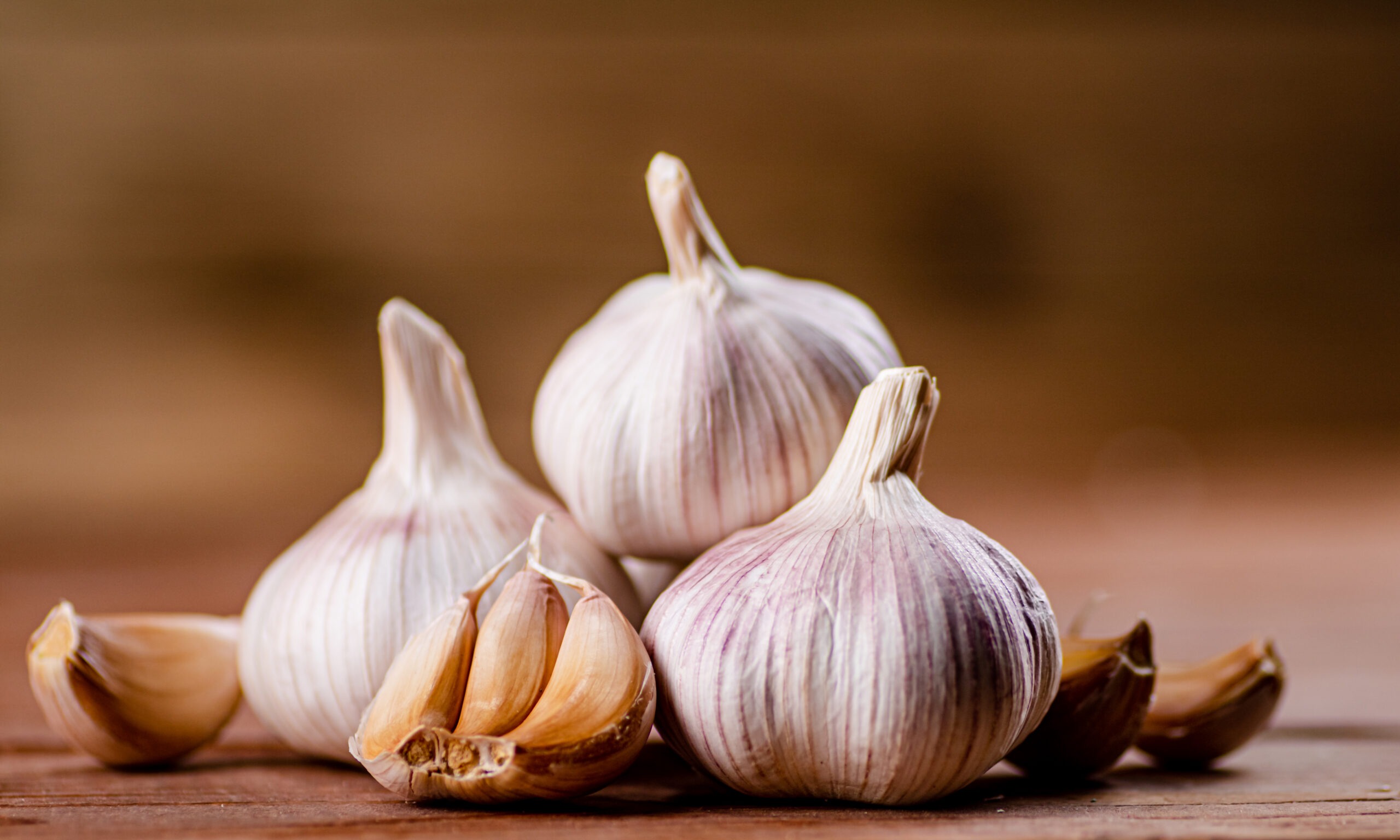
Garlic is one of the best vegetables to plant in autumn.
It requires very little attention through winter, tolerates cold conditions extremely well and actually benefits from a period of cold weather to encourage good bulb development.
Plant a few cloves in autumn and, for relatively little work, you could be harvesting your own garlic the following summer.
Here’s how to do it.
Garlic at a Glance
| Plant | October–February |
| Harvest | June–August |
| Difficulty | Easy |
| Position | Full sun |
| Spacing | Around 15cm |
| Planting depth | Tip around 2–3cm below soil |
| Containers | Yes |
| Frost hardy | Yes |
| Main winter problem | Waterlogged soil |
Why Plant Garlic in Autumn?
Garlic needs a period of cold weather to encourage the planted clove to divide and eventually form a proper bulb.
This process is known as vernalisation.
Planting during autumn allows winter to provide those cold conditions naturally.
The cloves establish roots before and during winter before producing stronger growth as temperatures rise in spring.
For many UK gardeners, autumn planting is the easiest way to grow garlic.
When to Plant Garlic
A good planting period is:
October through February.
October and November are excellent months for getting garlic into the ground.
You can continue planting later, provided the soil isn’t frozen or waterlogged.
In particularly wet gardens, you may be better planting into raised beds or containers rather than leaving cloves sitting in saturated soil all winter.
Choose Garlic for Planting
For reliable results, buy:
certified garlic bulbs intended for planting.
Garden-centre and seed-supplier garlic varieties are selected for growing and should be suitable for UK conditions.
Supermarket garlic can sometimes grow, but results are less predictable and it may not be suited to your local climate.
Hardneck vs Softneck Garlic
You’ll commonly encounter two main types.
Hardneck Garlic
Hardneck varieties tend to cope particularly well with colder conditions.
They usually produce:
- Strong flavour
- Large cloves
- A central flowering stalk or scape
They generally don’t store for as long as softneck varieties.
Softneck Garlic
Softneck garlic tends to produce more cloves per bulb and usually stores particularly well.
It’s the type commonly used for making garlic plaits.
If you want garlic to store for months after harvesting, softneck varieties are an excellent choice.
Where to Plant Garlic
Choose somewhere with:
full sun and well-drained soil.
This second point is especially important for autumn-planted garlic.
Garlic itself is hardy.
The bigger problem during a British winter is often not cold but:
wet soil.
Cloves sitting in waterlogged ground can rot.
If your garden has heavy clay or poor drainage, consider:
- Raised beds
- Containers
- Improving the soil with organic matter
Preparing the Soil
Remove weeds and loosen the soil before planting.
Garlic prefers fertile, free-draining ground.
Incorporate some well-rotted compost if your soil needs improvement.
Avoid using fresh manure immediately before planting.
Rake the surface reasonably level and you’re ready to plant.
How to Plant Garlic
Don’t plant the entire garlic bulb.
Carefully separate it into individual cloves immediately before planting.
Keep the papery skin around each clove intact.
Plant each clove:
pointed end upwards
with the flatter root end at the bottom.
Position the tip approximately:
2–3cm below the soil surface.
Firm the soil gently around it.
How Far Apart Should Garlic Be?
Space cloves approximately:
15cm apart.
If planting several rows, leave around:
25–30cm between rows.
Giving plants enough room encourages good airflow and allows each bulb space to develop.
Growing Garlic in Containers
Garlic is excellent for containers.
Use a reasonably deep pot with drainage holes.
Fill it with good-quality compost and plant the cloves approximately 15cm apart.
For a smaller pot, simply grow fewer bulbs.
Containers can be particularly useful if your garden becomes very wet during winter because you have more control over drainage.
However, don’t allow container-grown garlic to dry out completely during prolonged dry periods.
What Happens During Winter?
Don’t worry if your garlic doesn’t look particularly impressive during winter.
After planting, the cloves begin developing roots.
Green shoots may appear before Christmas or later depending on planting time and weather.
Growth slows considerably during cold periods.
That’s perfectly normal.
As temperatures and daylight increase in spring, the plants begin growing much more rapidly.
Does Garlic Need Frost Protection?
Usually not.
Garlic is hardy and cold weather is actually beneficial.
You generally don’t need to cover established garlic simply because frost or snow is forecast.
However, containers can experience more extreme temperature fluctuations than open ground.
In exceptionally severe conditions, pots can be moved to a more sheltered position.
The Biggest Winter Problem: Waterlogging
Keep an eye on drainage during prolonged wet weather.
If puddles remain around the plants for long periods, you may have a problem.
Raised beds are particularly useful for garlic because excess water can drain away more easily.
Don’t repeatedly water garlic during a wet British winter.
Let the weather do the work.
Keep Garlic Weed-Free
Garlic doesn’t compete particularly well with weeds.
Remove weeds regularly as they appear.
This becomes especially important in spring when both the garlic and surrounding weeds begin growing rapidly.
Hand weed around the plants rather than aggressively hoeing close to the bulbs.
Garlic roots can be relatively shallow.
Feeding Garlic in Spring
Once strong growth resumes in spring, you can apply a suitable general-purpose vegetable fertiliser according to the manufacturer’s instructions.
Don’t overdo nitrogen.
You want healthy leaves, but ultimately the goal is good bulb development.
Watering in Spring
As the weather becomes warmer and drier, garlic may need watering.
Keep the soil reasonably moist while the bulbs are developing.
Avoid constantly soaking the ground.
As harvest approaches and the foliage begins naturally yellowing, reduce watering.
Garlic Scapes
Hardneck garlic may produce a curly flowering stem known as a:
scape.
These are edible.
Many gardeners remove them so the plant can direct more energy towards developing the bulb.
Don’t throw them away.
Garlic scapes have a mild garlic flavour and can be used in cooking.
When Is Garlic Ready to Harvest?
Autumn-planted garlic is generally ready between:
June and August.
Watch the foliage.
When several of the lower leaves have turned yellow and started dying back, the bulbs are approaching maturity.
Don’t wait until every leaf has completely died.
How to Harvest Garlic
Don’t pull hard on the leaves.
Instead, loosen the soil around the bulb with a garden fork or hand fork.
Lift it carefully from underneath.
Try not to damage the bulb.
Freshly harvested garlic bruises more easily than you might expect.
Drying Garlic After Harvesting
Garlic intended for storage needs to be dried, or cured, properly.
After harvesting:
- Gently remove loose soil.
- Leave the foliage attached.
- Put the bulbs somewhere dry and well ventilated.
- Keep them out of heavy rain.
- Allow them to dry thoroughly.
Once cured, trim the roots and foliage if required.
Softneck varieties can also be plaited.
Storing Garlic
Store cured garlic somewhere:
cool, dry and well ventilated.
Don’t seal it inside an airtight plastic bag.
Good airflow reduces the chance of rot.
Properly cured softneck garlic can potentially remain usable for many months.
Common Problems
Garlic Rotting
Usually associated with excessively wet conditions or poor drainage.
Avoid waterlogged ground.
Yellow Leaves
Some yellowing towards harvest is completely normal.
Premature yellowing can be caused by stress, poor nutrition, waterlogging or disease.
Rust
Garlic rust produces orange spots on the leaves.
Mild infections don’t necessarily destroy the crop, but severe infections can weaken plants.
Good spacing and airflow can help.
Birds Pulling Up Cloves
Birds sometimes pull newly planted cloves or young shoots from the ground.
If this becomes a problem, temporary netting can help while the plants establish.
Garlic Through the Seasons
| Period | What to do |
|---|---|
| October | Begin autumn planting |
| November | Excellent planting month |
| December | Check drainage and remove weeds |
| January | Little maintenance required |
| February | Last opportunity for winter planting |
| March | Weed and begin feeding as growth increases |
| April | Water during dry periods |
| May | Keep weed-free and monitor plants |
| June | Early varieties may approach harvest |
| July | Main harvesting period |
| August | Harvest later crops and cure bulbs |
What You’ll Need
Growing garlic doesn’t require much equipment.
I’d recommend:
Garlic bulbs suitable for planting
Garden fork
Well-rotted compost
Vegetable fertiliser
Watering can
Large container if you’re growing on a patio
For gardens with poor drainage, a raised bed can also make autumn garlic considerably easier to grow.
Garlic Growing FAQs
Is autumn the best time to plant garlic?
Autumn is an excellent time to plant garlic in the UK because the crop benefits from exposure to cold winter temperatures.
Can I plant garlic in November?
Yes. November is an excellent month for planting garlic.
Can I plant garlic in December?
Yes, provided the ground isn’t frozen or waterlogged.
Can garlic survive frost?
Yes. Garlic is hardy and generally handles normal UK winter frost well.
Does garlic need watering during winter?
Usually very little. Natural rainfall is generally sufficient. Avoid waterlogging.
Can garlic be grown in pots?
Yes. Garlic grows very well in containers provided they have good drainage and sufficient depth.
Can I grow supermarket garlic?
It may grow, but garlic sold specifically for planting is a more reliable choice.
When do you harvest autumn-planted garlic?
Most autumn-planted garlic is harvested between June and August.
How do I know when garlic is ready?
When several of the lower leaves begin turning yellow and dying back, check whether the bulbs have reached a good size.
Final Thoughts
Garlic is one of the easiest ways to keep your vegetable garden productive through autumn and winter.
Plant the cloves in autumn.
Give them plenty of sun.
Keep the bed weed-free.
And most importantly:
make sure the soil drains well.
You don’t need to worry too much about frost. Garlic is built to cope with cold conditions.
For many UK gardens, prolonged winter rain is a much greater concern.
Get the drainage right and there isn’t much else you need to do until growth accelerates in spring.
Then, while you’re planting next year’s tomatoes and courgettes, your garlic will already have spent months quietly developing.
By summer, those individual cloves you pushed into the soil in autumn should have transformed into complete bulbs ready for the kitchen.
Continue Your Winter Growing
[10 Vegetables to Grow Through Autumn and Winter →]
[How to Grow Broad Beans Through Autumn and Winter →]
[How to Grow Onions Through Autumn and Winter →]
[How to Grow Spinach Through Autumn and Winter →]
[A Beginner’s Guide to Growing Garlic →]
[Explore the Grow Your Own Encyclopedia →]