Gardeners Guide · Grow your own
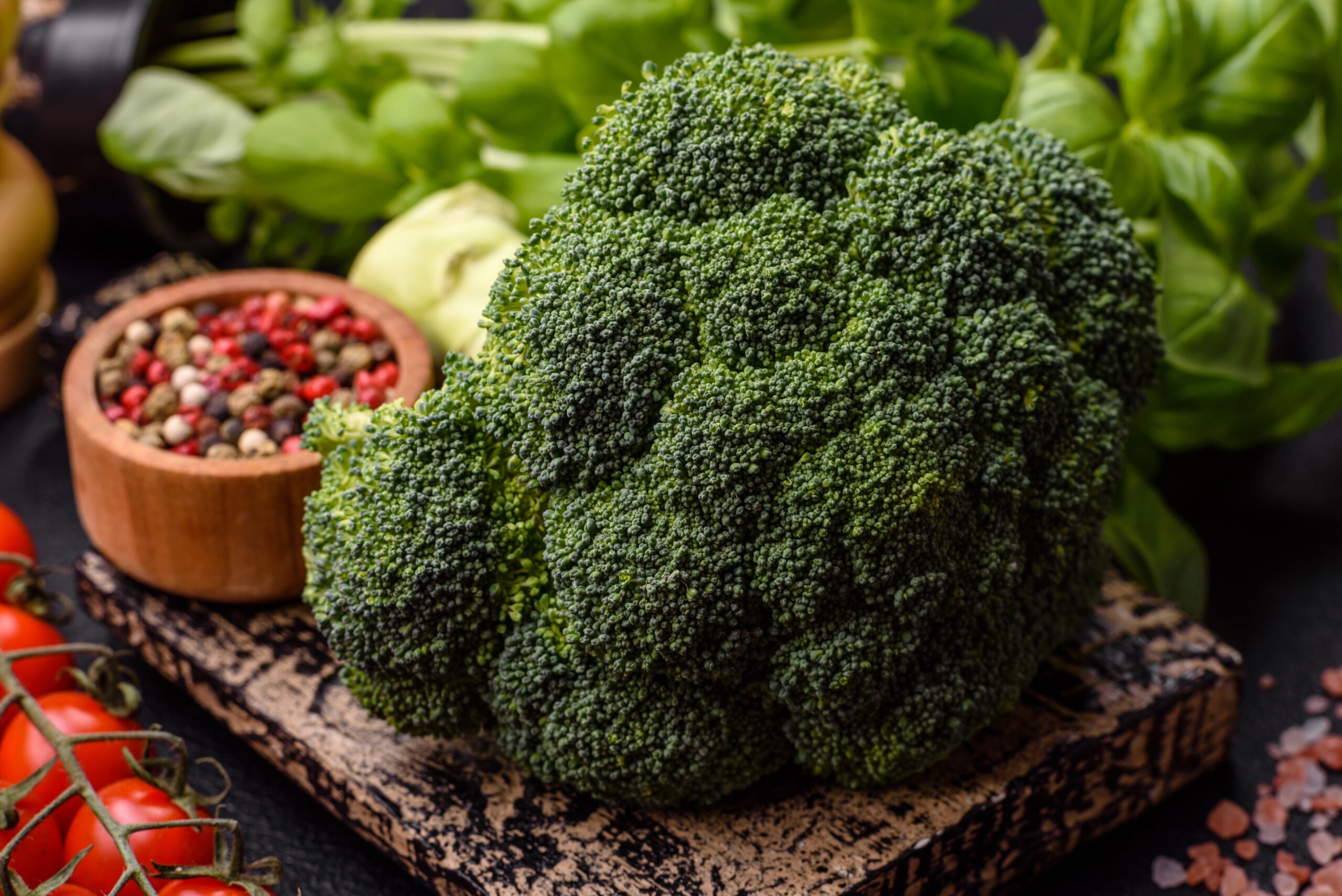
Broccoli is one of the most rewarding vegetables to grow at home. Give it enough space, fertile soil and a little patience and a single plant can provide a generous harvest — often followed by smaller side shoots after the main head has been cut.
It’s also a particularly good crop for UK gardens. Broccoli prefers cooler growing conditions and, depending on the type you choose, you can harvest it at different times of the year.
The main challenge isn’t usually getting broccoli to grow. It’s protecting it from the various garden visitors that seem to enjoy broccoli just as much as we do.
Cabbage white butterflies, pigeons and slugs can all cause problems, so a little protection goes a long way.
In this beginner’s guide, we’ll cover when to sow broccoli in the UK, how to plant it, watering, feeding, pest protection and when to harvest your crop.
Broccoli at a Glance
| 🌱 Sow | March–June |
| 🌿 Plant outside | May–July |
| 🥦 Harvest | Summer through spring, depending on variety |
| ☀️ Position | Full sun |
| 🌡️ Difficulty | Moderate |
| 📏 Spacing | Around 45–60cm |
| 🪴 Containers | Possible, but large containers required |
| 💧 Watering | Regularly during dry weather |
| 🌱 Soil | Fertile, firm and moisture-retentive |
| ⏱️ Growing time | Several months, depending on variety |
Broccoli or Calabrese: What’s the Difference?
Before planting anything, it’s worth clearing up a little confusion.
In UK supermarkets, the large green heads normally labelled broccoli are generally what gardeners call calabrese.
Calabrese produces a large central green head followed by smaller side shoots and is usually harvested in the same year it’s sown.
Then there’s sprouting broccoli.
Rather than producing one large supermarket-style head, sprouting broccoli produces lots of smaller shoots.
Purple sprouting broccoli is particularly popular in Britain and is often grown over winter for harvesting the following spring.
So when buying seeds, check exactly what you’re getting.
Calabrese
🥦 Large central head
☀️ Usually harvested summer/autumn
⏱️ Faster crop
🌱 Good choice for beginners
Purple sprouting broccoli
🥦 Lots of smaller shoots
❄️ Often overwintered
🌸 Usually harvested late winter/spring
⏱️ Takes considerably longer
For your first attempt, calabrese is probably the simplest place to start.
When to Sow Broccoli in the UK
For most UK gardeners, broccoli or calabrese can be sown from around March through to June, depending on the variety.
You can start earlier sowings under cover before making later sowings outdoors.
Always check the seed packet because different varieties have different sowing and harvesting periods.
A simple beginner’s schedule might look like this:
| Month | What to do |
|---|---|
| February | Plan varieties and prepare growing area |
| March | Begin sowing under cover |
| April | Continue sowing |
| May | Sow and begin planting established seedlings outside |
| June | Final main sowings and transplanting |
| July | Care for established plants |
| August | Harvest earlier calabrese |
| September | Continue harvesting |
| Autumn/Winter | Maintain overwintering sprouting broccoli |
| Following spring | Harvest purple sprouting varieties |
The exact schedule will vary depending on where you live.
Gardeners in colder parts of the UK may naturally be a little behind those in southern England.
That’s perfectly normal.
Garden according to your conditions, not just the calendar.
Where Should You Grow Broccoli?
Broccoli prefers a sunny, reasonably sheltered position.
It’s a member of the brassica family, alongside vegetables such as:
- Cabbage
- Cauliflower
- Kale
- Brussels sprouts
Like many brassicas, broccoli appreciates fertile soil that holds moisture without remaining permanently waterlogged.
One thing that’s particularly important is firm ground.
Broccoli plants can become quite substantial. Loose soil combined with wind can cause plants to rock around, potentially damaging their roots and affecting development.
If you’ve freshly dug the bed, allow the soil to settle and firm it before planting.
Preparing the Soil
Broccoli is a relatively hungry crop.
Before planting, improve poorer soil with well-rotted compost or other organic matter.
Ideally, this preparation can be done before planting rather than dumping large amounts of fresh material around young plants.
Remove perennial weeds and rake the surface reasonably level.
When you eventually plant your broccoli, firm the soil around each plant.
Unlike some vegetables where gardeners aim for beautifully loose soil, brassicas generally appreciate being well anchored.
How to Sow Broccoli Seeds
Broccoli can be started in seed trays, modules, pots or a dedicated outdoor seedbed.
For beginners, modules are convenient because each young plant develops separately and is easier to transplant later.
Fill your modules with seed compost.
Make a small hole approximately 1–2cm deep, place a seed inside and cover gently.
Water carefully and keep the compost moist but not saturated.
Once the seedlings appear, give them plenty of light.
You don’t want tall, pale seedlings stretching desperately towards a window.
When to Plant Broccoli Outside
Once your seedlings are established and conditions are suitable, they can be moved into their final growing positions.
Plants raised indoors should be hardened off first.
That simply means gradually introducing them to outdoor conditions rather than moving them straight from a warm protected environment into the garden.
Over roughly a week or two, put them outside during the day for progressively longer periods, bringing them back under protection when necessary.
Once hardened off, they’re ready for planting.
How Far Apart Should Broccoli Be Planted?
Don’t underestimate how large broccoli plants can become.
Depending on the variety, allow approximately:
45–60cm between plants
with a similar or slightly greater distance between rows.
Always check the seed packet for the particular variety you’re growing.
It can be tempting to squeeze extra plants into the bed.
Try not to.
Overcrowded broccoli has increased competition for:
- Light
- Water
- Nutrients
- Airflow
If you’ve got six healthy seedlings but only enough room for four mature plants, growing four properly is usually better than squeezing all six together.
Firm Your Broccoli Plants In
This is an important little job.
After planting, press the soil firmly around the root ball.
The plant shouldn’t wobble excessively when gently moved.
For taller varieties, particularly overwintering sprouting broccoli, you may eventually need to stake the plants in exposed gardens.
A winter gale can otherwise leave a large broccoli plant leaning at an alarming angle.
Growing Broccoli in Containers
You can grow broccoli in containers, although it’s not the vegetable I’d choose if space is extremely limited.
Broccoli plants are relatively large and hungry.
If you want to try, choose a substantial container — ideally around 30–40cm across or larger for an individual plant, depending on the variety.
Use good-quality compost and make sure the container has adequate drainage.
Container-grown broccoli will require closer attention to watering and feeding than plants growing in fertile garden soil.
If you’ve got a tiny patio and want maximum food from the available space, salad leaves and herbs may be more productive.
But if you really like broccoli, it can certainly be done.
How Often Should You Water Broccoli?
Broccoli prefers reasonably consistent moisture.
Water particularly during:
- Dry spells
- Establishment after transplanting
- Head development
- Hot summer weather
Give the plants a thorough watering rather than constantly wetting only the very top layer of soil.
A mulch of organic material around established plants can help conserve moisture and suppress weeds.
Keep the mulch slightly away from the main stem.
Does Broccoli Need Feeding?
Broccoli is a hungry vegetable.
If it’s growing in fertile, well-prepared ground, it’ll already have a good start.
As the plants develop, an appropriate general-purpose or nitrogen-rich feed can help support leafy growth before head formation.
However, don’t assume more fertiliser always means more broccoli.
Follow the instructions for whichever fertiliser you’re using.
Container-grown plants will generally need more regular feeding because the nutrients available to them are limited to what’s inside the pot.
Keep Broccoli Weed-Free
Young broccoli doesn’t appreciate competing with weeds.
Keep the surrounding area reasonably clear, especially while plants are establishing.
You can carefully hoe between plants, but avoid damaging their shallow roots.
Mulching can also help suppress new weed growth.
The Biggest Broccoli Problem: Pests
If you’ve never grown brassicas before, here’s something you’ll quickly discover:
A lot of creatures like eating them.
Protection is often easier than trying to solve the problem after your plants have been attacked.
Cabbage White Butterflies and Caterpillars
You’ll probably see white butterflies fluttering around the garden during summer.
Unfortunately, they aren’t necessarily admiring your vegetables.
Cabbage white butterflies lay eggs on brassicas.
Those eggs become caterpillars.
Those caterpillars can then make remarkably quick work of broccoli leaves.
The best defence
Cover your broccoli with fine insect mesh or suitable netting.
Make sure butterflies can’t simply crawl underneath the edges.
Regularly inspect leaves, particularly the undersides, for eggs and caterpillars.
If you find them, remove them by hand where practical.
Prevention is much easier than staring at what used to be a broccoli plant wondering where all the leaves went.
Pigeons
Pigeons can also cause significant damage to brassicas.
Young plants can be particularly vulnerable.
Again, proper netting is one of the simplest solutions.
Make sure the netting is supported above the plants rather than lying directly over them.
And secure it properly.
A determined pigeon has plenty of time to investigate your construction work.
Slugs and Snails
Young broccoli seedlings can be attacked by slugs and snails.
Keep the growing area tidy and regularly check vulnerable young plants.
There are various control methods available, but healthy plants that establish quickly are generally better able to tolerate minor damage than tiny seedlings.
Cabbage Root Fly
Cabbage root fly larvae can attack the roots of brassica plants.
One preventative option is to use brassica collars around the base of young plants.
These help prevent the adult fly from laying eggs close to the stem.
Clubroot
Clubroot is a soil-borne disease that affects brassicas.
Affected plants may become stunted or wilt despite adequate moisture, while the roots become swollen and distorted.
Unfortunately, once clubroot becomes established in the soil, it can remain a problem for years.
Good crop rotation is therefore important.
Avoid repeatedly growing broccoli and other brassicas in exactly the same patch year after year.
Crop Rotation for Broccoli
Because broccoli belongs to the brassica family, avoid following it immediately with another brassica if possible.
A simple vegetable rotation could separate crops into groups such as:
Brassicas
Broccoli, cabbage, kale, cauliflower
Legumes
Peas and beans
Roots
Carrots and beetroot
Other crops
Onions, courgettes, salads and so on
You don’t need an enormously complicated system in a small garden.
The basic principle is simply:
Don’t continually grow the same plant family in the same soil.
This can help reduce the build-up of certain pests and diseases.
Best Broccoli Varieties for Beginners
There’s plenty of choice, so check what you’re buying and when it’s designed to crop.
Green Magic
A popular calabrese type producing compact green heads.
A good option if you want the familiar supermarket-style broccoli.
Good for: Beginners and summer cropping.
Marathon
A well-known calabrese variety producing substantial heads with useful side shoots.
Good for: Reliable crops.
Ironman
A productive hybrid calabrese producing dense heads.
Good for: Traditional green broccoli.
Purple Sprouting Broccoli
There are numerous purple sprouting varieties available.
These are worth growing if you want a crop during the leaner late-winter and early-spring period.
Good for: Overwintering and spring harvests.
Tenderstem/Broccoli Types
Some varieties are bred to produce smaller heads on longer tender stems.
These can provide repeated harvests rather than one enormous central head.
Good for: Smaller, frequent harvests.
When Is Broccoli Ready to Harvest?
With calabrese, harvest the main head when it’s well developed but before the individual flower buds begin opening.
The head should still look tight and compact.
Don’t wait for yellow flowers.
Once flowering starts, you’ve left it too long for the best eating quality.
Use a sharp knife to cut the central head, leaving some stem attached.
And then:
don’t pull the plant out.
Many calabrese plants will produce smaller side shoots after the main head has been harvested.
Those secondary harvests are one of the best things about growing your own broccoli.
How to Harvest Purple Sprouting Broccoli
Purple sprouting broccoli is harvested differently.
Instead of waiting for one huge central head, pick individual shoots as they become ready.
Cut the central spear first and the plant should continue producing additional side shoots.
Harvest regularly.
The more consistently you pick, the more useful the crop can be.
Can You Eat Broccoli Leaves?
Yes.
Broccoli leaves are edible and can be cooked similarly to kale or other leafy brassicas.
That means even if the heads are the main attraction, other parts of the plant don’t necessarily need to go to waste.
Young tender stems are edible too.
Why Isn’t My Broccoli Forming a Head?
There are several possible causes.
It’s simply too early
Broccoli takes time. Some varieties require months.
Excessive heat
Broccoli generally prefers cooler conditions. Very hot weather can cause stress and poor head development.
Poor growing conditions
Insufficient nutrients, water or light can affect growth.
Wrong season
Some sprouting varieties aren’t supposed to produce their main crop until the following year.
Always check the variety before assuming something has gone wrong.
Why Is My Broccoli Flowering?
Those little green parts making up the broccoli head are actually flower buds.
Leave them long enough and they’ll open into flowers.
If your broccoli starts turning yellow and flowering, harvest immediately.
Warm weather and plant stress can accelerate the process.
The key is to harvest while the head is still tight.
Can Broccoli Survive Frost?
Many broccoli varieties tolerate cool weather well, and some sprouting varieties are specifically grown through winter.
However, hard frost and exposed winter conditions can still damage plants, particularly younger or less hardy varieties.
This is another reason to choose varieties appropriate to the season you’re growing them in.
Growing Broccoli Month by Month
| Month | What to do |
|---|---|
| January | Plan varieties |
| February | Prepare for early sowings |
| March | Begin sowing under protection |
| April | Continue sowing and care for seedlings |
| May | Harden off and plant outside |
| June | Plant out, water and protect from pests |
| July | Feed, water and inspect for caterpillars |
| August | Harvest early crops |
| September | Continue harvesting |
| October | Maintain later/overwintering plants |
| November | Stake and protect overwintering crops |
| December | Check plants after severe weather |
| Following spring | Harvest overwintered sprouting broccoli |
What You’ll Need to Grow Broccoli
You don’t need specialist equipment, but a few things make the job easier:
🌱 Broccoli seeds
🪴 Seed trays or modules
🌿 Seed compost
🖐️ Hand trowel
💧 Watering can
🕸️ Fine insect mesh/netting
🏗️ Netting supports
🏷️ Plant labels
🌱 Suitable fertiliser
If I were buying one thing specifically for growing broccoli, it would probably be proper insect protection.
A healthy broccoli plant underneath mesh is much more enjoyable than discovering that cabbage-white caterpillars have beaten you to lunch.
[See Our Recommended Vegetable Garden Netting →]
[Essential Equipment Every Gardener Needs →]
Broccoli FAQs
Is broccoli easy to grow?
Broccoli itself isn’t particularly difficult to grow, but protecting it from pests makes it slightly more challenging than crops such as beetroot or radishes.
For beginners, I’d rate it moderately easy.
How long does broccoli take to grow?
It depends heavily on the type.
Calabrese can produce a crop within the same growing season, while purple sprouting broccoli is often grown through winter and harvested the following spring.
Does broccoli grow back after you cut it?
Calabrese often produces smaller side shoots after the main central head has been harvested.
Leave the plant growing and continue checking it.
How many broccoli heads do you get from one plant?
Calabrese generally produces one main central head followed by a number of smaller side shoots.
Sprouting broccoli produces numerous smaller spears.
Can you grow broccoli in pots?
Yes, but use a large container and generally grow only one plant per substantial pot.
Does broccoli need full sun?
Broccoli performs best with plenty of sunlight, although it can tolerate some partial shade.
Why are there holes in my broccoli leaves?
Caterpillars, slugs and snails are common suspects.
Inspect both sides of the leaves carefully.
Should I cover broccoli with netting?
I strongly recommend protecting brassicas. Fine insect mesh can help exclude cabbage-white butterflies, while suitable netting can help prevent pigeon damage.
Final Thoughts
Broccoli requires a little more attention than some beginner vegetables, but the reward is worth it.
The key to success is fairly simple:
Give it space, feed the soil, keep it watered and protect it from pests.
If you’re growing broccoli for the first time, I’d start with a reliable calabrese variety rather than committing an entire bed to overwintering purple sprouting broccoli.
Grow a few plants, cover them with insect mesh from an early stage and keep an eye on them throughout summer.
When the central heads become full and tight, harvest them before the buds begin opening.
And remember to leave the plants in place afterwards.
Those smaller side shoots that follow might not look as impressive as the first big head, but they’re one of the bonuses of growing broccoli yourself.
Once you’ve eaten broccoli picked from the garden and cooked shortly afterwards, you’ll understand why it’s worth giving up so much space in the vegetable bed.
Continue Your Grow Your Own Journey
🥕 [A Beginner’s Guide to Growing Carrots →]
[A Beginner’s Guide to Growing Beetroot →]
🥔 [A Beginner’s Guide to Growing Potatoes →]
🍅 [A Beginner’s Guide to Growing Tomatoes →]
🧅 [A Beginner’s Guide to Growing Onions →]
🍓 [A Beginner’s Guide to Growing Strawberries →]
🥒 [A Beginner’s Guide to Growing Courgettes →]
🌱 [Explore the Grow Your Own Encyclopedia →]