Gardeners Guide · Grow your own
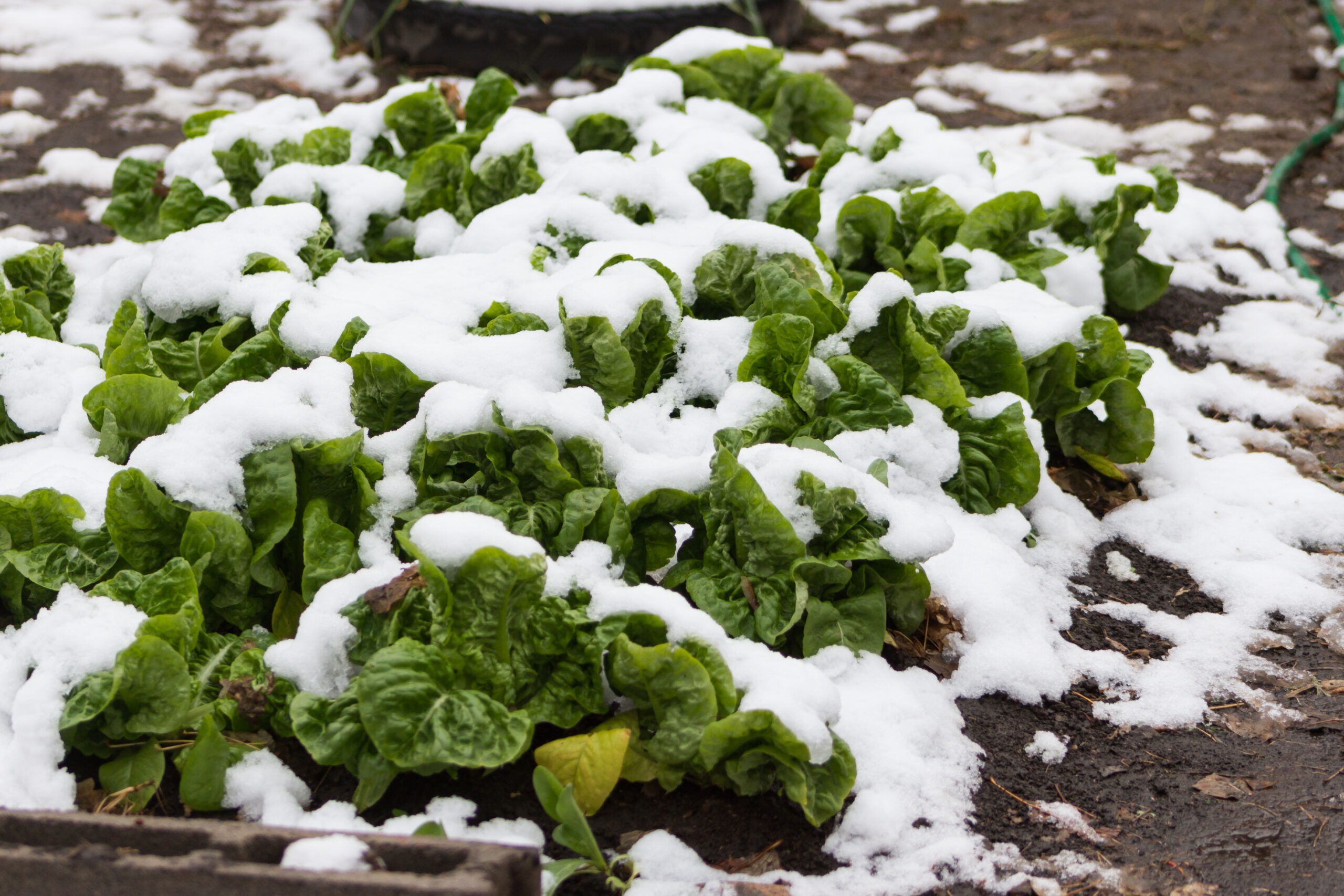
Lettuce might seem like a summer crop, but with the right varieties and a little protection, you can harvest fresh leaves well into autumn and winter.
Winter lettuce is ideal for gardeners who want to keep producing food when the main summer crops have finished.
The key is to sow early enough for plants to establish before the darkest part of winter, choose cold-tolerant varieties and protect them from the worst frost, wind and rain.
A greenhouse is useful, but you don’t necessarily need one.
A simple cold frame, cloche or layer of horticultural fleece can make a big difference.
Here’s how to grow winter lettuce successfully in the UK.
Winter Lettuce at a Glance
| Winter Lettuce | |
|---|---|
| Main sowing period | August–October |
| Harvest | Autumn–early spring |
| Difficulty | Easy |
| Position | Sun or light shade |
| Sowing depth | Around 1cm |
| Plant spacing | Around 15–30cm |
| Containers | Yes |
| Frost hardy | Depends on variety |
| Best protection | Cloche, cold frame or unheated greenhouse |
| Main winter problems | Slugs, waterlogging and prolonged frost |
What Is Winter Lettuce?
Winter lettuce isn’t one particular type of lettuce.
The term generally refers to:
cold-tolerant varieties grown during autumn and winter.
These varieties are better able to cope with low temperatures and short days than typical summer lettuce.
They’re not indestructible.
Severe frost can still damage plants, particularly if they’re completely exposed.
But with some basic protection, winter lettuce can provide fresh leaves during a period when there’s relatively little else to harvest.
Why Grow Lettuce Through Winter?
Winter lettuce has several advantages.
It’s:
- Quick to establish
- Easy to grow
- Suitable for containers
- Suitable for small gardens
- Productive under cover
- Excellent for filling empty greenhouse space
If you have a greenhouse full of tomatoes and cucumbers during summer, winter lettuce is a great way to keep that space productive once those crops have finished.
When to Sow Winter Lettuce
For most UK gardens, start sowing winter lettuce around:
August and September.
Some varieties can also be sown into:
October, particularly under cover.
The exact timing depends on:
- Your location
- The variety
- Whether you’re growing outdoors or under protection
The further north you live, the earlier I’d aim to establish the crop.
You want reasonably strong plants before daylight and temperatures drop significantly.
Don’t Leave Sowing Too Late
This is one of the biggest mistakes with winter salads.
Seeds may germinate late in autumn, but young plants won’t grow quickly once the days become very short.
The aim isn’t to sow lettuce in December and expect a crop a few weeks later.
Instead:
establish the plants before winter arrives.
They can then grow slowly or almost pause during the darkest period before becoming productive again as daylight returns.
Choosing Winter Lettuce Varieties
Choose varieties specifically described as suitable for:
autumn, winter or overwintering cultivation.
Some traditional choices include:
Winter Density
A compact lettuce with crisp leaves and good cold tolerance.
Good for: Small spaces and protected winter growing.
Arctic King
A classic hardy winter lettuce.
It’s particularly useful for growing under cloches or in cold frames.
Good for: Beginners.
Valdor
A traditional winter variety producing compact heads.
Good for: Overwintering.
There are plenty of other options available.
The most important thing is to check the seed packet rather than assuming any lettuce variety will perform equally well in winter.
Where to Grow Winter Lettuce
During summer, lettuce often appreciates some shade.
Winter is different.
Light becomes limited, so choose somewhere that receives:
as much winter sunlight as reasonably possible.
Avoid dark corners of the garden.
A south-facing position can be particularly useful.
Preparing the Soil
Lettuce prefers:
fertile, moisture-retentive but well-drained soil.
Before sowing or planting:
- Remove weeds.
- Loosen compacted soil.
- Incorporate well-rotted compost if necessary.
- Rake the surface reasonably fine.
Drainage becomes especially important during winter.
Cold, saturated soil encourages problems.
How to Sow Winter Lettuce
Lettuce seed is small.
Sow it shallowly at approximately:
1cm deep.
You can sow directly into:
- Garden soil
- Raised beds
- Containers
- Seed trays
- Modules
Cover lightly and water gently.
Once seedlings appear, thin them to prevent overcrowding.
How Far Apart Should Lettuce Be?
Spacing depends on how you intend to harvest it.
For full heads, aim for approximately:
20–30cm between plants.
For smaller varieties, around:
15–20cm
may be sufficient.
If you’re growing baby leaves or cut-and-come-again lettuce, plants can be much closer together.
Grow Baby Leaves for Faster Harvests
If your main goal is fresh salad rather than large lettuce heads, consider growing:
baby leaves.
Sow more densely and harvest leaves while they’re young.
This makes excellent use of:
- Containers
- Window boxes
- Greenhouse staging
- Small raised beds
It’s also useful when winter growing space is limited.
Growing Winter Lettuce in Containers
Lettuce is one of the best vegetables for container growing.
Its roots don’t require enormous depth.
Use:
- Pots
- Troughs
- Window boxes
- Planters
Make sure they have good drainage holes.
Containers also have another winter advantage:
you can move them.
If severe weather is forecast, a pot can be moved into a greenhouse, porch or more sheltered location.
Growing Winter Lettuce in a Greenhouse
An unheated greenhouse is one of the best places to grow winter lettuce.
You don’t need tropical temperatures.
The structure simply protects plants from:
- Heavy rain
- Strong wind
- Snow
- Severe frost
Once summer tomatoes and cucumbers have finished, use the empty space for winter salads.
You can grow lettuce:
- In greenhouse borders
- In pots
- In troughs
- In grow bags
Growing Winter Lettuce in a Cold Frame
A cold frame is almost perfect for winter lettuce.
It gives plants protection while still allowing them to grow in cool conditions.
Open or ventilate the frame during mild weather.
This is important because permanently closed frames can become:
humid and stagnant.
That encourages fungal problems.
Close the frame again before particularly cold nights.
Growing Winter Lettuce Under Cloches
Don’t have a greenhouse?
Use a:
garden cloche.
Place it over established lettuce plants to create a small protected environment.
Cloches help reduce exposure to:
- Frost
- Wind
- Heavy rain
Ventilate them during mild periods when possible.
Using Horticultural Fleece
Horticultural fleece is another inexpensive option.
Use it when particularly cold weather is forecast.
Ideally, support the fleece on hoops rather than allowing it to rest heavily on the lettuce.
Secure the edges carefully.
Winter wind can remove badly secured fleece surprisingly quickly.
Does Winter Lettuce Need Heating?
Generally:
no.
A heated greenhouse isn’t necessary for normal winter lettuce growing.
The goal isn’t to recreate summer.
You’re simply giving cold-tolerant plants enough protection to survive and continue producing slowly.
An unheated greenhouse, cold frame or cloche is usually sufficient.
What Happens During Midwinter?
Don’t expect much growth during:
December and January.
Even under protection, plants may appear to stop growing.
The main reason is often not temperature.
It’s:
lack of daylight.
Short winter days dramatically reduce growth.
Your objective during this period is largely to keep the plants:
- Healthy
- Dry enough
- Frost protected
- Free from pests
When daylight increases, growth resumes.
Watering Winter Lettuce
Winter lettuce needs much less water than summer lettuce.
Check the soil before watering.
If it’s still damp:
leave it alone.
Overwatering cold soil can encourage:
- Root problems
- Rot
- Fungal disease
Plants growing under cover need checking because they won’t receive natural rainfall.
Water in the Morning
During cold weather, water earlier in the day where possible.
This gives excess moisture time to evaporate before temperatures fall overnight.
Water the soil rather than soaking the leaves.
Ventilation Is Important
If you’re growing inside a greenhouse or cold frame, don’t keep everything sealed permanently.
On mild days:
provide ventilation.
Good airflow reduces:
- Condensation
- Excess humidity
- Fungal disease
Close things up again before temperatures drop sharply.
Feeding Winter Lettuce
Lettuce generally doesn’t need heavy feeding.
If it’s growing in fertile soil or fresh compost, additional fertiliser may not be necessary.
Remember that slow growth in December isn’t usually caused by a lack of fertiliser.
It’s caused by:
winter.
Don’t try to force growth by repeatedly feeding the plants.
How to Harvest Winter Lettuce
You have two main options.
Harvest the Whole Head
Allow the lettuce to mature and cut the entire plant at the base.
Cut-and-Come-Again
Pick individual outer leaves and leave the centre growing.
For winter gardening, I prefer:
cut-and-come-again harvesting.
It allows a small number of plants to provide leaves over a longer period.
Don’t Over-Harvest During Winter
Be conservative during the darkest months.
A lettuce plant can replace harvested leaves quickly during good growing conditions.
It can’t do that in January.
Take:
a few leaves at a time.
Leave plenty of healthy foliage on the plant.
Slugs and Snails
Cold weather doesn’t automatically mean the end of slugs.
During mild, damp periods they can remain active.
Tender lettuce is particularly attractive.
Check:
- Under pots
- Around containers
- Beneath cloches
- Inside cold frames
Protected environments can shelter pests as well as plants.
Grey Mould
Grey mould, or botrytis, can become a problem in cool, humid conditions.
It can cause:
- Brown patches
- Rotting leaves
- Grey fuzzy mould
Reduce the risk by:
- Improving ventilation
- Avoiding overcrowding
- Removing dead leaves
- Avoiding excessive watering
Don’t leave rotting foliage sitting around healthy plants.
Downy Mildew
Lettuce can also suffer from downy mildew.
Symptoms may include:
- Yellow patches
- Discoloured leaves
- Fungal growth underneath foliage
Again, good airflow and sensible spacing are important.
Why Is My Winter Lettuce Not Growing?
If it’s December or January:
probably because it’s winter.
Very short days mean extremely slow growth.
If the plant still looks healthy, don’t panic.
Maintain it and wait.
As daylight increases during late winter, growth should begin accelerating.
Why Is My Lettuce Rotting?
Common causes include:
- Waterlogged soil
- Excessive watering
- Poor ventilation
- Dead foliage around the plant
- Overcrowding
Winter lettuce generally needs less water and more airflow than beginners expect.
Why Are the Leaves Damaged After Frost?
Although winter varieties tolerate cold conditions, severe frost can still damage leaves.
Affected foliage may become:
- Soft
- Dark
- Translucent
Remove badly damaged leaves once conditions improve.
Protect remaining plants before the next severe frost.
Successional Sowing
Don’t sow all your winter lettuce at once.
Make several smaller sowings during:
late summer and early autumn.
This gives you plants at different stages of development.
It also reduces the risk of losing your entire crop if one sowing struggles.
What Happens in Spring?
Overwintered lettuce becomes much more productive as:
- Days lengthen
- Temperatures rise
You’ll often get an excellent flush of fresh leaves during late winter and early spring.
Eventually, warmer conditions cause plants to:
bolt.
They produce tall flowering stems and leaf quality declines.
At that point, remove them and use the space for another crop.
What to Grow After Winter Lettuce
Winter lettuce often finishes just as summer crops need planting.
That makes it ideal for maximising limited space.
Once the lettuce is removed, you could plant:
- Tomatoes
- Cucumbers
- Courgettes
- French beans
- Peppers
This is particularly useful in a greenhouse.
Grow lettuce through winter, then replace it with tomatoes or cucumbers for summer.
Winter Lettuce Month by Month
| Period | What to do |
|---|---|
| August | Begin sowing winter varieties |
| September | Main sowing and planting period |
| October | Continue protected sowings and begin harvesting |
| November | Add protection as temperatures fall |
| December | Harvest lightly and ventilate on mild days |
| January | Maintain plants and avoid overwatering |
| February | Growth begins increasing |
| March | Harvest regularly |
| April | Finish overwintered crops and prepare for summer planting |
What You’ll Need
Winter lettuce doesn’t require much specialist equipment.
I’d recommend:
Winter lettuce seeds
Seed trays or modules
Hand trowel
Good-quality compost
Watering can
For extending the growing season, consider:
Horticultural fleece
Garden cloche
Cold frame
Mini greenhouse
Essential Equipment every Gardener Needs
These products aren’t only useful for lettuce.
They can help you grow a wide range of vegetables earlier in spring and later into autumn, making them particularly useful additions to a productive garden.
Winter Lettuce FAQs
Can you grow lettuce through winter in the UK?
Yes. Choose cold-tolerant varieties and provide protection during severe weather.
When should I sow winter lettuce?
August and September are excellent months. Some varieties can also be sown under protection into October.
What is the best lettuce for winter?
Look for varieties specifically bred for winter growing. Winter Density, Arctic King and Valdor are traditional choices.
Can lettuce survive frost?
Cold-tolerant varieties can cope with some frost, but severe or prolonged freezing can damage plants.
Do I need a greenhouse?
No. A cold frame, cloche or horticultural fleece can provide useful protection.
Can winter lettuce grow in pots?
Yes. Lettuce is one of the easiest winter vegetables to grow in containers.
Does lettuce grow during December and January?
Growth can become extremely slow because of low temperatures and short daylight hours.
How often should winter lettuce be watered?
Only when necessary. Keep the soil lightly moist rather than constantly wet.
Can I harvest individual lettuce leaves?
Yes. Pick the outer leaves and leave the centre growing for repeated harvests.
Why is my winter lettuce rotting?
Poor drainage, overwatering, overcrowding and insufficient ventilation are common causes.
Can winter lettuce be grown in Scotland?
Yes, although earlier sowing and protection from severe weather are particularly useful in colder and more exposed areas.
Final Thoughts
Winter lettuce is proof that fresh salad doesn’t have to disappear from the garden when summer ends.
The trick is to:
start early and protect the plants before severe weather arrives.
Make your first sowings in August or September.
Choose a proper winter variety.
Give the plants as much winter sunlight as possible.
Then use a cloche, cold frame, fleece or unheated greenhouse to protect them from the worst weather.
Don’t expect summer growth rates in December.
The plants may barely move during the darkest weeks.
That’s completely normal.
Keep them healthy, avoid overwatering and harvest lightly.
As daylight returns, they’ll begin growing more strongly and can provide an excellent crop of fresh leaves before your spring vegetables are ready.
For gardeners with limited space, winter lettuce is particularly worthwhile.
A few containers, a small cold frame or an empty greenhouse bed can provide fresh salad leaves from space that might otherwise sit unused all winter.
Continue Your Winter Growing
10 Vegetables to Grow Through Autumn and Winter
How to Grow Spinach Through Autumn and Winter
How to Grow Kale Through Autumn and Winter
How to Grow and Harvest Leeks Through Autumn and Winter
How to Grow Brussels Sprouts Through Autumn and Winter