Gardeners Guide · Grow your own
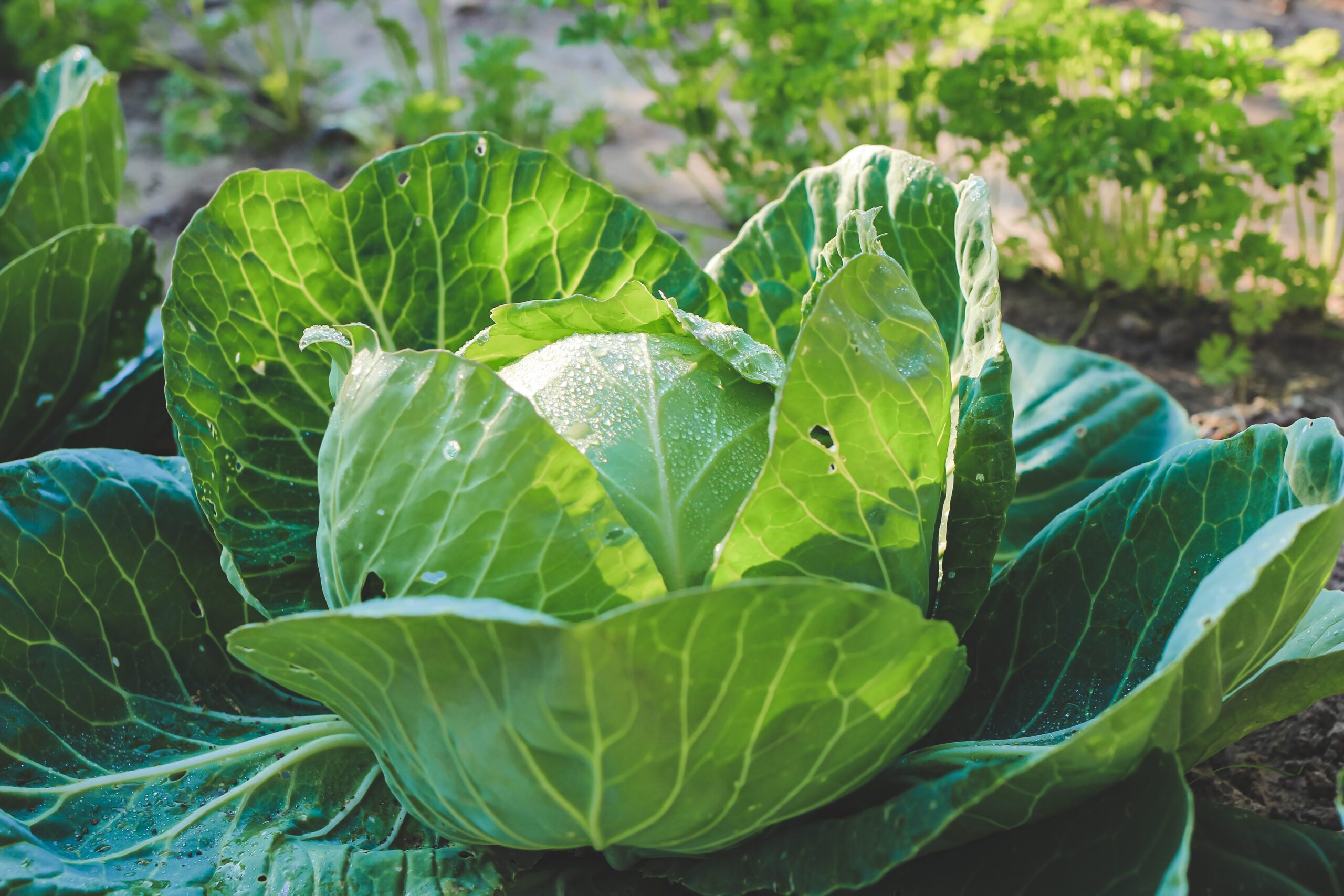
Spring cabbage is one of the best crops for keeping your vegetable garden productive between winter and the start of the new growing season.
Despite its name, spring cabbage isn’t normally sown in spring.
It’s usually sown in late summer, planted out during autumn and left outside through winter before being harvested the following spring.
The plants spend the colder months slowly establishing themselves before bursting back into growth as temperatures and daylight increase.
You can harvest young plants as tender spring greens or allow them to mature into compact cabbage heads.
Here’s how to grow spring cabbage successfully through autumn and winter in the UK.
Spring Cabbage at a Glance
| Spring Cabbage | |
|---|---|
| Sow | July–September |
| Plant out | September–October |
| Harvest | March–May |
| Difficulty | Easy |
| Position | Full sun |
| Plant spacing | Around 30–45cm |
| Containers | Yes, with enough space |
| Frost hardy | Yes |
| Crop family | Brassicas |
| Main winter problems | Pigeons, slugs, wind rock and waterlogging |
Why Grow Spring Cabbage?
Spring can be one of the leanest periods in the vegetable garden.
Your winter crops may be coming to an end, while newly sown spring vegetables are nowhere near ready to harvest.
Spring cabbage helps fill this gap.
By starting the crop the previous year, you can have fresh leafy vegetables ready from around:
March through May.
It also makes good use of vegetable beds that might otherwise sit empty during winter.
When to Sow Spring Cabbage
Spring cabbage is normally sown from:
July through September.
August is an excellent month for many UK gardens.
Earlier sowings give plants more time to develop before winter.
Later sowings can still work, but plants need enough time to become established before temperatures drop significantly.
In colder northern areas, I’d generally favour the earlier part of the sowing window.
Don’t Sow Spring Cabbage in Spring
The name causes understandable confusion.
Spring cabbage is called spring cabbage because that’s when you:
harvest it.
For a traditional crop, sow during late summer the previous year.
The plants then overwinter and mature the following spring.
Choosing a Spring Cabbage Variety
Choose a variety specifically described as suitable for:
overwintering or spring harvesting.
Popular choices include:
April
A traditional spring cabbage producing compact heads.
As the name suggests, it’s well suited to spring harvesting.
Durham Early
A reliable early variety widely grown for spring crops.
It can be harvested as spring greens or allowed to form heads.
Wintergreen
A hardy variety useful for overwintering.
When buying seeds, always check the packet for recommended sowing and harvesting dates.
Where to Grow Spring Cabbage
Choose somewhere with:
full sun and fertile, well-drained soil.
Spring cabbage will tolerate cold weather, but prolonged waterlogging can cause problems.
Avoid low areas of the garden where water sits after heavy winter rain.
Preparing the Soil
Cabbages appreciate fertile soil.
Before planting:
- Remove weeds.
- Incorporate well-rotted compost or organic matter.
- Rake the surface level.
- Firm the soil.
That final step is important.
Like many brassicas, cabbage prefers:
firm ground.
Loose soil allows plants to rock in winter winds and can interfere with healthy root development.
How to Sow Spring Cabbage
Seeds can be sown:
- Directly outdoors
- In a nursery bed
- In seed trays
- In modules
Sow seeds approximately:
1–2cm deep.
Water gently and keep the soil reasonably moist while they germinate.
Once seedlings develop several proper leaves, they can be transplanted into their final position.
When to Plant Spring Cabbage Out
Young plants are generally moved into their final growing position during:
September and October.
You want them well established before severe winter weather arrives.
Plant firmly.
Don’t leave the root ball sitting loosely in soft soil.
How Far Apart Should Spring Cabbage Be?
Spacing depends on how you intend to harvest it.
For full cabbage heads, allow approximately:
40–45cm between plants.
For spring greens, you can plant closer at around:
30cm apart.
Closer spacing produces smaller plants but allows you to fit more into the bed.
Growing Spring Greens
You don’t have to wait for every plant to form a full cabbage.
Spring cabbage can be harvested young as:
spring greens.
One useful technique is to plant relatively closely.
During spring, harvest alternate plants as greens.
This gives the remaining plants additional space to develop larger heads.
It’s an excellent way to get two types of harvest from the same crop.
Growing Spring Cabbage in Raised Beds
Raised beds work particularly well.
They can provide:
- Better drainage
- Fertile soil
- Easier weed control
- Easier bird protection
You can also install hoops over the bed and cover them with netting.
This is particularly useful during winter.
Growing Spring Cabbage in Containers
Spring cabbage can be grown in containers, although full-sized plants need a reasonable amount of space.
Use:
one plant per large pot
or several plants in a large trough or planter.
Choose a container with good drainage holes.
Compact varieties are best where space is limited.
What Happens During Autumn?
Once planted out, the young cabbages establish their roots and produce new leaves.
Growth gradually slows as:
- Temperatures fall
- Days shorten
That’s exactly what you expect.
You aren’t trying to produce mature cabbages before Christmas.
You’re establishing healthy young plants that can survive winter and resume stronger growth in spring.
What Happens During Winter?
During December and January, plants may appear to do almost nothing.
That’s normal.
Growth is extremely slow during cold, dark conditions.
Your job is mainly to:
- Protect them from pests
- Keep them weed-free
- Check drainage
- Make sure plants remain firmly rooted
When daylight returns, they’ll start moving again.
Can Spring Cabbage Survive Frost?
Yes.
Spring cabbage varieties intended for overwintering are hardy.
Normal UK frost generally isn’t a major problem for established plants.
Severe prolonged cold can cause some leaf damage, particularly to smaller plants, but healthy established cabbages usually recover.
Does Spring Cabbage Need Fleece?
Usually not.
In particularly exposed gardens or during unusually severe weather, horticultural fleece can provide additional protection.
But in many gardens, the bigger winter threat isn’t frost.
It’s:
pigeons.
Protecting Spring Cabbage from Pigeons
Pigeons love brassicas.
As natural food becomes scarcer during winter, cabbage leaves become particularly attractive.
Unprotected plants can be stripped rapidly.
Use:
bird netting or a vegetable cage.
Ideally, support the netting above the plants.
Secure it properly and check it regularly to reduce the risk of wildlife becoming trapped.
Protecting Young Plants from Slugs
Slugs and snails can remain active during mild autumn and winter weather.
Young cabbage plants are vulnerable.
Check around:
- Leaves
- Plant bases
- Pots
- Bed edges
Established plants can tolerate some damage, but small seedlings can disappear surprisingly quickly.
Cabbage White Caterpillars
If you plant your spring cabbage out during late summer or early autumn, cabbage white butterflies may still be active.
Their caterpillars can cause significant damage.
Inspect leaves regularly for:
- Eggs
- Small caterpillars
- Holes
Fine insect mesh provides excellent preventative protection.
Cabbage Aphids
Grey-green aphids can gather on brassica leaves.
Small populations may be tolerated, but heavy infestations can weaken plants.
Inspect curled or distorted foliage carefully.
Natural predators such as ladybirds and hoverfly larvae can help control aphids.
Clubroot
Clubroot is one of the most serious brassica diseases.
Affected plants may:
- Wilt
- Grow poorly
- Develop yellow leaves
- Have swollen, distorted roots
The organism responsible can survive in the soil for years.
Good crop rotation is therefore important.
Crop Rotation
Spring cabbage belongs to the:
brassica family.
Other brassicas include:
- Kale
- Brussels sprouts
- Broccoli
- Cauliflower
Avoid growing brassicas repeatedly in the same bed.
Moving from cabbage to kale isn’t proper crop rotation because they’re members of the same family.
Wind Rock
Strong winter winds can move cabbage plants backwards and forwards.
This can loosen the roots.
If a plant feels unstable:
firm the soil around its base.
In particularly exposed locations, a small stake can help.
Starting with firm soil at planting time reduces the problem considerably.
Should You Water Spring Cabbage During Winter?
Usually very little.
Natural rainfall is generally sufficient.
Water only if conditions are unusually dry.
Container-grown plants need checking more frequently because pots can dry differently from open soil.
Avoid keeping the roots constantly saturated.
Feeding Spring Cabbage
During midwinter, heavy feeding isn’t necessary.
Plants aren’t growing quickly enough to make use of large quantities of nutrients.
As growth accelerates in:
late winter and early spring
you can apply a suitable general-purpose vegetable fertiliser if necessary.
Follow the manufacturer’s instructions.
Keep Plants Weed-Free
Weeds begin growing more actively as spring approaches.
Remove them before they become established.
This reduces competition for:
- Water
- Nutrients
- Light
Hand weeding around young cabbage plants is usually safest.
When Does Spring Cabbage Start Growing Again?
You’ll normally notice much stronger growth from:
February and March, depending on weather and location.
Leaves become larger and plants begin developing rapidly.
This is when your months of patience begin paying off.
When Is Spring Cabbage Ready to Harvest?
Harvesting typically begins around:
March
and can continue through:
April and May.
Exact timing depends on:
- Variety
- Sowing date
- Location
- Winter weather
You don’t have to wait for a perfectly formed head.
Young plants can be harvested as spring greens.
How to Harvest Spring Greens
For spring greens, cut the entire young plant just above ground level.
Alternatively, harvest selected outer leaves.
Young spring cabbage leaves are tender and ideal for:
- Steaming
- Stir-frying
- Soups
- Side dishes
Harvesting Full Cabbage Heads
Allow selected plants to continue growing until they form:
firm central heads.
Use a sharp knife to cut through the stem just below the head.
Remove damaged outer leaves.
Don’t leave mature heads standing indefinitely because they can eventually split or begin flowering.
Can Spring Cabbage Regrow After Harvesting?
Sometimes.
After cutting the main head, leave the stem and roots in place.
Make a shallow cross in the top of the remaining stem.
Small secondary cabbages may develop around the cut.
They won’t be as large as the original head, but they can provide an additional harvest.
Why Isn’t My Spring Cabbage Forming a Head?
Possible causes include:
It’s too early
The plant may simply need more time.
Overcrowding
Plants need enough space to develop.
Poor soil
Cabbages appreciate fertile ground.
Root disturbance
Wind rock or pests can interfere with growth.
Variety
Some spring cabbages are naturally looser than traditional summer or winter cabbages.
Remember that loose leafy plants are still perfectly useful as spring greens.
Why Are My Cabbage Leaves Yellow?
A few old outer leaves turning yellow isn’t unusual.
Remove them.
Widespread yellowing may indicate:
- Waterlogging
- Nutrient deficiency
- Root damage
- Disease
Check the plant and soil conditions carefully.
What to Grow After Spring Cabbage
Spring cabbage is usually finished just as the main summer growing season begins.
Once harvested, the space can be used for crops such as:
- French beans
- Runner beans
- Courgettes
- Lettuce
- Peas
Avoid immediately planting another brassica if possible.
Spring Cabbage Month by Month
| Period | What to do |
|---|---|
| July | Begin early sowings |
| August | Main sowing period |
| September | Continue sowing and begin planting out |
| October | Finish planting and protect from birds |
| November | Check plants, netting and drainage |
| December | Expect very little growth |
| January | Keep plants protected and firmly rooted |
| February | Growth begins increasing |
| March | Begin harvesting spring greens |
| April | Main harvesting period |
| May | Harvest remaining heads and clear the bed |
What You’ll Need
Spring cabbage doesn’t require much specialist equipment.
I’d recommend:
Spring cabbage seeds
Seed trays or modules
Hand trowel
Garden fork
Well-rotted compost
Watering can
For protecting the crop:
Bird netting
Fine insect mesh
Horticultural fleece
A proper vegetable cage is particularly useful if you regularly grow brassicas because it can also protect kale, broccoli, cauliflower and Brussels sprouts.
Spring Cabbage FAQs
When should I sow spring cabbage?
Most spring cabbage is sown between July and September.
Why is it called spring cabbage if it’s sown in summer?
The name refers to when it’s harvested rather than when it’s planted.
When should spring cabbage be planted out?
Young plants are generally transplanted into their final position during September and October.
Can spring cabbage survive frost?
Yes. Varieties intended for overwintering are hardy and can tolerate normal UK winter frost.
Does spring cabbage need covering?
Usually not for frost alone. Bird netting is often more important because pigeons can cause serious winter damage.
Can spring cabbage grow in pots?
Yes, provided the container is large enough and drains well.
When is spring cabbage ready to harvest?
Depending on variety and conditions, harvesting generally takes place from March through May.
Can I eat spring cabbage before it forms a head?
Yes. Young plants can be harvested as spring greens.
How far apart should spring cabbage be planted?
Around 40–45cm is suitable for full heads. Plants grown for spring greens can be spaced more closely.
Why aren’t my cabbages forming heads?
Overcrowding, poor soil, root disturbance or simply insufficient time can all be responsible.
Can spring cabbage grow in Scotland?
Yes. It’s well suited to UK conditions, although earlier sowing and a sheltered position can be helpful in colder or exposed areas.
Final Thoughts
Spring cabbage is one of those crops that rewards gardeners who think a few months ahead.
While most people are clearing their vegetable beds at the end of summer, you’re planting something that won’t properly reward you until the following spring.
That’s exactly why it’s so useful.
Sow during late summer.
Plant out in autumn.
Protect the plants from pigeons.
Then largely leave them alone through winter.
Don’t worry if very little seems to happen during December and January.
The plants are waiting.
As daylight returns, they’ll begin growing rapidly and provide fresh leafy vegetables during a period when many newly sown spring crops are still tiny seedlings.
For maximum value, plant them reasonably close together and harvest some early as:
spring greens.
Then leave the remaining plants more room to develop into larger heads.
It’s a simple way to turn an otherwise quiet winter vegetable bed into one of your first substantial harvests of the new gardening year.
Continue Your Winter Growing
10 Vegetables to Grow Through Autumn and Winter
How to Grow Brussels Sprouts Through Autumn and Winter
How to Grow Kale Through Autumn and Winter
How to Grow and Harvest Leeks Through Autumn and Winter