Gardeners Guide · Grow your own
Peas are one of the most rewarding crops you can grow at home.
They’re relatively easy, don’t need a huge amount of space, and few vegetables taste as good as peas picked straight from the garden and eaten fresh.
They’re also well suited to the UK climate because peas prefer cooler growing conditions than many summer vegetables.
The main things they need are:
- A sunny or lightly shaded position
- Moisture while flowering and filling pods
- Support to climb
- Protection from birds, mice and pigeons when young
In this beginner’s guide, we’ll cover when to sow peas in the UK, how to support them, growing peas in containers, watering, feeding, harvesting and the most common problems to watch for.
Peas at a Glance
| Peas | |
|---|---|
| Sow | February–June, depending on variety |
| Plant outside | Spring |
| Harvest | May–August |
| Position | Full sun or light shade |
| Difficulty | Easy |
| Spacing | Around 5–8cm |
| Row spacing | Around 45–60cm |
| Containers | Yes |
| Soil | Fertile, moisture-retentive and well drained |
| Watering | Important during flowering and pod formation |
| Support | Usually required |
Why Grow Peas?
Fresh peas are one of the best examples of why growing your own can be worthwhile.
Once peas are picked, their sugars gradually start converting into starch.
That means the sweetest peas are often the ones eaten very soon after harvesting.
Growing your own gives you that opportunity.
Peas are also:
- Easy to sow
- Quick to establish
- Productive
- Excellent for children
- Suitable for raised beds
- Good for containers
- Available in several useful types
And because they grow vertically, they can produce a decent harvest from a relatively small footprint.
Different Types of Peas
Not all peas are grown for exactly the same thing.
Garden Peas
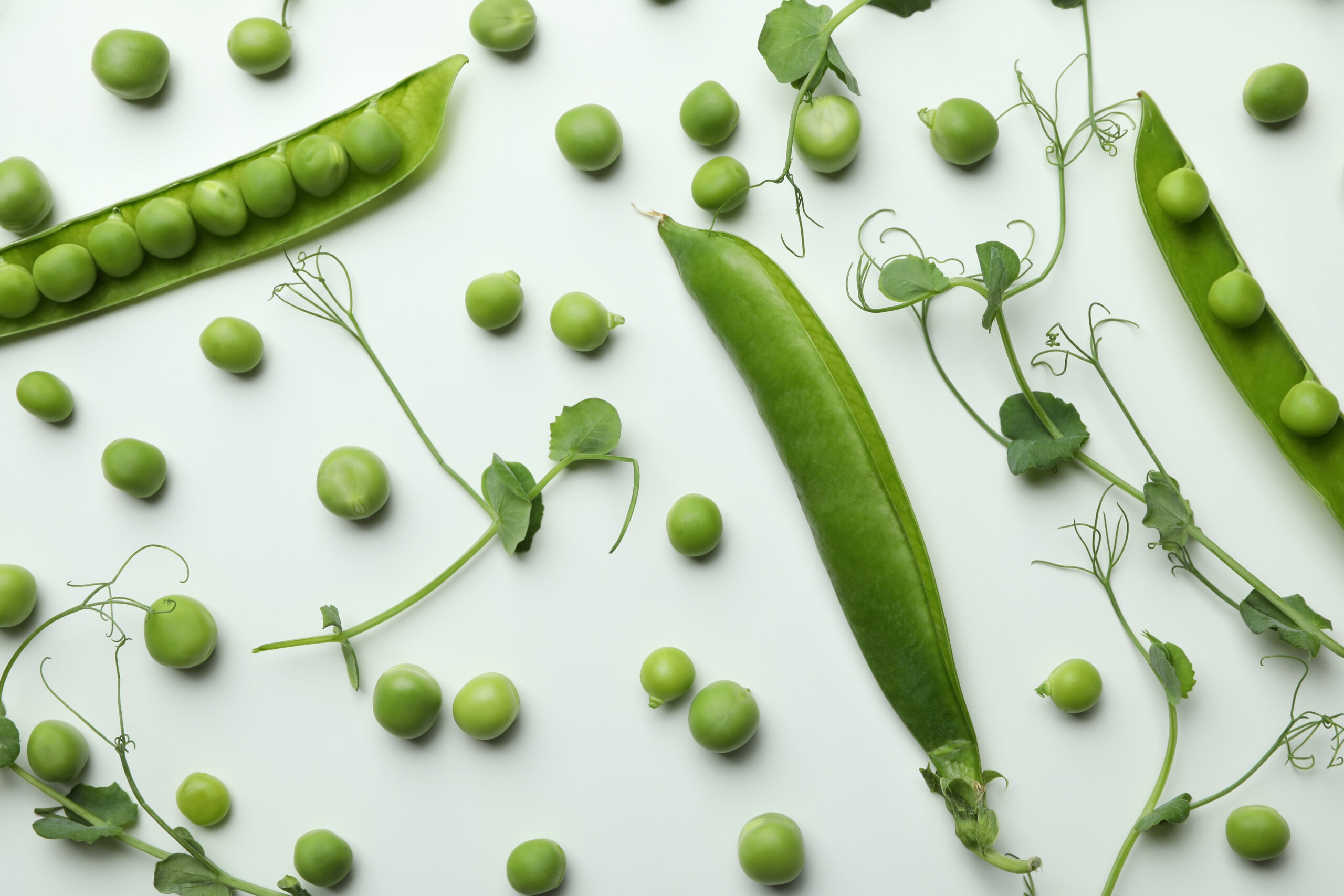
These are the traditional peas grown for the round peas inside the pod.
The pods themselves are usually discarded.
Good for: Classic fresh peas.
Mangetout
Mangetout is harvested before the peas inside fully develop.
The flat pods are eaten whole.
Good for: Stir-fries and quick harvesting.
Sugar Snap Peas
Sugar snap peas produce thicker, crisp pods with developing peas inside.
Both pod and peas are eaten.
Good for: Snacking and salads.
When to Sow Peas in the UK
Peas are usually sown from:
February through June
depending on variety and local conditions.
February–March
Early sowings can be made in mild areas or under protection.
March–April
Main sowing period for many varieties.
May–June
Later sowings for extended summer harvests.
In colder or wetter areas, very early outdoor sowings can struggle.
If your soil is cold and waterlogged, waiting a little can give better results.
Always check the seed packet.
Can You Sow Peas in Autumn?
Some hardy varieties can be sown in autumn for an earlier crop the following year.
This can work well in mild areas with good drainage.
However, autumn sowing carries more risk from:
- Waterlogging
- Mice
- Frost damage
- Winter losses
For beginners, spring sowing is usually simpler.
How to Sow Peas Outdoors
Peas are easy to sow directly into the soil.
Prepare a shallow trench approximately:
5cm deep.
Sow peas around:
5–8cm apart.
You can sow in a single row or in a wider drill.
Cover with soil and water gently if the ground is dry.
Some gardeners sow peas in a broad row around 15–20cm wide rather than one narrow line.
This can make efficient use of space.
Sowing Peas Indoors
Peas can also be started indoors.
This is useful if:
- Your soil is very cold
- Mice are a problem
- You want an earlier crop
Use:
- Modules
- Small pots
- Guttering
- Root trainers
Guttering is a traditional method.
Fill a length of guttering with compost, sow peas along it, then slide the entire row into a prepared trench once the plants are established.
It can work well, though modules are often easier for beginners.
Do Peas Need Soaking Before Sowing?
No.
You’ll sometimes see advice recommending soaking pea seeds overnight.
It isn’t essential.
Peas can be sown dry directly into moist soil or compost.
In very wet conditions, soaking can actually increase the risk of rot.
For most gardeners, simply sowing into suitable soil is perfectly adequate.
Where Should You Grow Peas?
Choose a position with:
full sun or light shade.
Peas prefer cooler conditions than crops such as tomatoes and cucumbers.
A little shade isn’t necessarily a problem.
The soil should be:
- Fertile
- Moisture-retentive
- Well drained
- Reasonably deep
Avoid ground that stays saturated.
Preparing the Soil
Peas don’t need extremely rich soil.
Before sowing, improve poorer ground with some well-rotted compost.
Remove weeds and rake the surface level.
You generally don’t need heavy nitrogen feeding.
Peas are legumes and form a relationship with nitrogen-fixing bacteria in the soil.
That means excessive nitrogen fertiliser can encourage leafy growth at the expense of pods.
Do Peas Need Support?
Usually, yes.
Even relatively short pea varieties benefit from something to cling to.
Taller varieties definitely need support.
Good options include:
- Pea netting
- Twiggy sticks
- Bamboo canes
- Trellis
- Wire mesh
- Purpose-made pea supports
Install the support early.
It’s much easier than trying to untangle a collapsing mass of pea plants later.
How Tall Do Peas Grow?
It depends on the variety.
Dwarf peas
May reach around:
30–60cm
Medium varieties
Often grow around:
60–120cm
Tall peas
Can reach:
1.5–2m or more
Check the seed packet before building your support.
A 60cm frame won’t be much use for a 2m climbing variety.
Using Pea Sticks
One traditional support method is to use twiggy branches.
Push them into the soil alongside the rows.
Peas naturally grab onto the twigs with their tendrils.
This works particularly well for shorter varieties.
It also looks much more natural than plastic netting.
Using Pea Netting
Pea netting is useful for taller crops.
Secure it firmly between posts or canes.
Make sure the bottom reaches close to the soil so young plants can grab onto it.
As the peas grow, gently guide shoots towards the netting.
Once they catch hold, they’ll usually climb by themselves.
Growing Peas in Containers
Peas grow well in pots.
This is particularly useful for dwarf and compact varieties.
Choose a container at least:
25–30cm deep.
A wide trough or rectangular planter works well because you can sow a short row.
Fill with good-quality multipurpose compost.
Add a support structure before the plants become large.
Container-grown peas need more attention to watering because compost dries out quickly.
Growing Peas in Raised Beds
Raised beds are excellent for peas.
They offer:
- Good drainage
- Easy access
- Fertile soil
- Simple support installation
Position taller peas where they won’t shade smaller crops unnecessarily.
If possible, grow them along the north side of the bed.
How Often Should You Water Peas?
Peas don’t usually need constant watering early in the season.
The most important period is when plants are:
flowering and filling pods.
Dry conditions during this stage can reduce yield.
During prolonged dry spells, water thoroughly.
Container-grown peas may need much more frequent watering.
Should You Mulch Peas?
Yes.
A light mulch can help:
- Retain moisture
- Suppress weeds
- Keep roots cool
- Improve the soil
Well-rotted compost works well.
Apply it around established plants.
Avoid piling mulch directly against the stems.
Do Peas Need Feeding?
Usually not much.
If the soil is reasonably fertile, peas should grow well without heavy feeding.
Container-grown peas may benefit from occasional feeding once flowering begins.
A balanced feed can be used according to the manufacturer’s instructions.
Avoid excessive nitrogen.
Too much nitrogen can produce lots of leaves and fewer pods.
Pea Flowers
Before peas appear, the plants produce attractive flowers.
Depending on the variety, these may be:
- White
- Pink
- Purple
Once the flowers are pollinated, small pods begin developing behind them.
From there, the crop can progress quickly.
Do Peas Need Pollinating?
Peas are largely self-pollinating.
That means each flower can generally pollinate itself.
You don’t need to hand-pollinate them.
Insects may still visit the flowers, but the crop isn’t as dependent on them as some other vegetables.
When Are Peas Ready to Harvest?
This depends on the type.
Garden peas
Harvest when the pods feel full and rounded.
The peas inside should be well developed but still tender.
Mangetout
Harvest while the pods are flat and before the peas inside swell significantly.
Sugar snap peas
Harvest once the pods are plump but still crisp and tender.
The key rule is:
Pick regularly and don’t let pods become old and tough.
How to Harvest Peas
Hold the plant or stem gently with one hand and remove the pod with the other.
You can also use small scissors if necessary.
Avoid pulling aggressively because pea stems can be fragile.
Harvest every few days during peak production.
The Secret to More Peas
Keep picking.
If mature pods are left on the plant, it starts putting more energy into producing seed.
Regular harvesting encourages continued flowering and pod formation.
This is especially important with sugar snap peas and mangetout.
Successional Sowing for a Longer Harvest
Peas can produce over a relatively short period.
To extend your harvest, sow small batches every:
2–3 weeks.
For example:
Sowing 1: March
Sowing 2: Late March
Sowing 3: April
Sowing 4: Late April
Sowing 5: May
This gives you crops reaching maturity at different times.
Later sowings can struggle during very hot summer weather, so don’t leave everything until June.
Protecting Peas from Birds
Birds can be a major problem.
Pigeons may eat:
- Young shoots
- Leaves
- Developing plants
Cover young crops with appropriate netting.
Make sure the netting is secured properly.
Birds can be surprisingly determined.
Once plants become tall and established, damage may become less severe, but protection is still useful.
Protecting Pea Seeds from Mice
Mice love pea seeds.
They may dig them up shortly after sowing.
If this is a recurring problem, you can:
- Start peas in modules
- Use protected containers
- Cover sowings
- Transplant established seedlings later
This can be much more reliable than repeatedly reseeding an empty row.
Pea Moth
Pea moth larvae can sometimes be found inside pea pods.
The adult moth lays eggs on flowering plants and the larvae later feed inside the pods.
Timing sowings to avoid peak moth activity can reduce damage.
Fine insect mesh may also help where practical.
Pea and Bean Weevil
Pea and bean weevils chew distinctive notches from the edges of leaves.
Young plants can look badly damaged.
Established peas often tolerate some feeding.
Severe attacks on tiny seedlings can be more serious.
Healthy, vigorous plants usually recover well.
Powdery Mildew
Powdery mildew often appears later in the season.
It looks like:
white powdery growth on the leaves.
It is more common during dry conditions and on older plants.
To reduce the risk:
- Water regularly during dry weather
- Avoid overcrowding
- Maintain good airflow
- Grow resistant varieties where available
Late-season mildew often looks worse than it actually is.
By that point, the plants may already have produced most of their crop.
Why Are My Pea Leaves Turning Yellow?
Possible causes include:
Overwatering
Waterlogged roots can struggle.
Underwatering
Dry conditions can cause stress.
Old age
Pea plants naturally decline after cropping.
Nutrient problems
More common in containers.
Disease
Check for other symptoms.
If the plants have already produced heavily, yellowing may simply mean they’re reaching the end of their season.
Why Are My Peas Flowering but Not Producing Pods?
Possible causes include:
- Very hot weather
- Drought
- Poor plant health
- Stress
- Severe pest damage
Peas prefer relatively cool growing conditions.
Extended hot weather can reduce pod set.
Keep plants watered during flowering.
Why Are My Pea Pods Empty?
Very young pods may simply not have filled yet.
Other causes include:
- Poor growing conditions
- Heat stress
- Drought
- Poor plant health
Give the crop time and keep the soil moist.
If the plants are healthy, later pods may develop normally.
Best Pea Varieties for Beginners
There are many good UK varieties.
Kelvedon Wonder
A popular early dwarf pea.
Compact and productive.
Good for: Smaller gardens and early crops.
Hurst Green Shaft
A classic maincrop pea with long pods containing plenty of peas.
Good for: Traditional garden peas.
Meteor
A hardy dwarf pea that can be sown early.
Good for: Early sowings and exposed gardens.
Alderman
A tall traditional climbing pea.
Can grow around 1.5m or more.
Good for: Large harvests and vertical growing.
Oregon Sugar Pod
A reliable mangetout type producing edible flat pods.
Good for: Stir-fries and salads.
Sugar Ann
A compact sugar snap variety.
Good for: Containers and small spaces.
Always check the seed packet for sowing dates and final height.
Can Peas Grow in Partial Shade?
Yes.
Peas tolerate some partial shade.
They’ll usually crop best with good light, but they don’t need the intense sun required by more heat-loving crops.
A position with morning or afternoon sun can work well.
Can Peas Be Grown in Scotland?
Absolutely.
Peas are very well suited to cooler UK conditions.
In fact, they often perform better in a mild Scottish summer than crops that demand prolonged heat.
The main issues in wetter areas are:
- Waterlogged soil
- Slug damage
- Wind exposure
Choose a reasonably sheltered position with good drainage.
Can You Grow Peas Indoors?
Not particularly well as a mature crop.
Peas need:
- Strong light
- Space
- Support
- Good airflow
They can be started indoors, but are usually best moved outside.
However, pea shoots are very easy to grow indoors.
You can sow peas densely in trays and harvest the young shoots after just a few weeks.
Growing Pea Shoots
Pea shoots are the tender young stems and leaves of pea plants.
They’re excellent in:
- Salads
- Sandwiches
- Stir-fries
To grow them:
- Fill a shallow tray with compost.
- Sow peas closely together.
- Cover lightly.
- Water.
- Place in a bright position.
- Harvest the young shoots when they reach around 10–15cm.
You don’t need to wait for pods.
This is a quick and productive crop for windowsills.
Can You Save Pea Seeds?
Yes.
Peas are one of the easiest crops for seed saving.
Choose healthy plants and allow several pods to mature fully.
Leave them until they become:
dry and papery.
Remove the peas from the pods.
Dry them thoroughly.
Store somewhere:
- Cool
- Dry
- Dark
Open-pollinated varieties are best for seed saving.
F1 hybrids may not produce plants identical to the parent.
Should You Leave Pea Roots in the Ground?
Many gardeners cut pea plants off at soil level and leave the roots behind.
Peas are legumes and associate with nitrogen-fixing bacteria.
Leaving healthy roots to decompose can contribute organic matter to the soil.
However, don’t assume this completely fertilises the next crop.
Much of the nitrogen fixed by the plant has already been used during growth.
Still, there’s usually no need to dig healthy roots out unnecessarily.
What Can You Grow After Peas?
Peas often finish cropping by midsummer.
That leaves plenty of time for another crop.
Good options include:
- Leeks
- Kale
- Lettuce
- Beetroot
- Radishes
- Spinach
- Autumn salads
This makes peas especially useful in small vegetable gardens.
You can get two productive crops from the same bed in one year.
Growing Peas Month by Month
| Month | What to do |
|---|---|
| January | Plan varieties and prepare supports |
| February | Early sowings under protection |
| March | Main sowing period begins |
| April | Continue sowing and install supports |
| May | Sow later crops and water during dry spells |
| June | Flowering and early harvesting |
| July | Main harvesting period |
| August | Harvest late crops and clear finished plants |
| September | Prepare beds for follow-on crops |
| October | Autumn sow hardy varieties where suitable |
| November | Protect autumn sowings |
| December | Plan next year’s crop |
What You’ll Need to Grow Peas
Peas need very little specialist equipment.
I’d recommend:
Pea seeds
Seed trays or modules if starting indoors
Multipurpose compost
Pea netting or twiggy supports
Bamboo canes
Garden twine
Watering can
Well-rotted compost
Bird netting
Plant labels
Support is the main thing I’d organise before sowing taller varieties.
[See Our Recommended Pea Supports →]
[See Our Recommended Garden Netting →]
[See Our Recommended Raised Beds →]
[Essential Equipment Every Gardener Needs →]
Pea Growing FAQs
Are peas easy to grow?
Yes. Peas are one of the easier vegetables for beginners and are well suited to UK conditions.
When should I sow peas in the UK?
Most peas are sown from February through June, depending on variety and local conditions.
How deep should peas be planted?
Around 5cm deep is a useful general guide.
How far apart should peas be planted?
Around 5–8cm apart is suitable for many varieties.
Do peas need support?
Most varieties benefit from support, especially medium and tall peas.
Can peas grow in pots?
Yes. Dwarf and compact varieties are particularly good for containers.
Do peas need full sun?
Full sun is ideal, but peas can tolerate some partial shade.
How often should peas be watered?
Water regularly during dry weather, especially when plants are flowering and pods are filling.
How long do peas take to grow?
Many varieties produce a crop within around 10–14 weeks, depending on conditions.
Why should peas be picked regularly?
Frequent harvesting encourages continued pod production.
Can peas be grown in Scotland?
Yes. Peas are very well suited to cooler conditions and grow successfully across Scotland.
Can you eat pea pods?
It depends on the type. Mangetout and sugar snap peas have edible pods, while traditional garden pea pods are usually discarded.
Final Thoughts
Peas are one of the best crops for anyone starting a vegetable garden.
They’re easy to sow, grow quickly and don’t need enormous amounts of space.
The biggest things to remember are simple.
Give them support.
Protect young plants from birds and mice.
Keep them watered while flowering.
And once the pods appear:
keep picking.
For your first year, I’d grow one traditional garden pea and one edible-pod variety.
A compact variety such as Kelvedon Wonder is a good place to start if space is limited, while something like Oregon Sugar Pod gives you a completely different harvest.
If you have more room, a tall variety such as Alderman can produce an impressive crop from a relatively narrow strip of ground.
And if you’ve never eaten a freshly picked pea while standing in the garden, try one.
You may discover that half your harvest never actually makes it into the kitchen.