Gardeners Guide · Grow your own
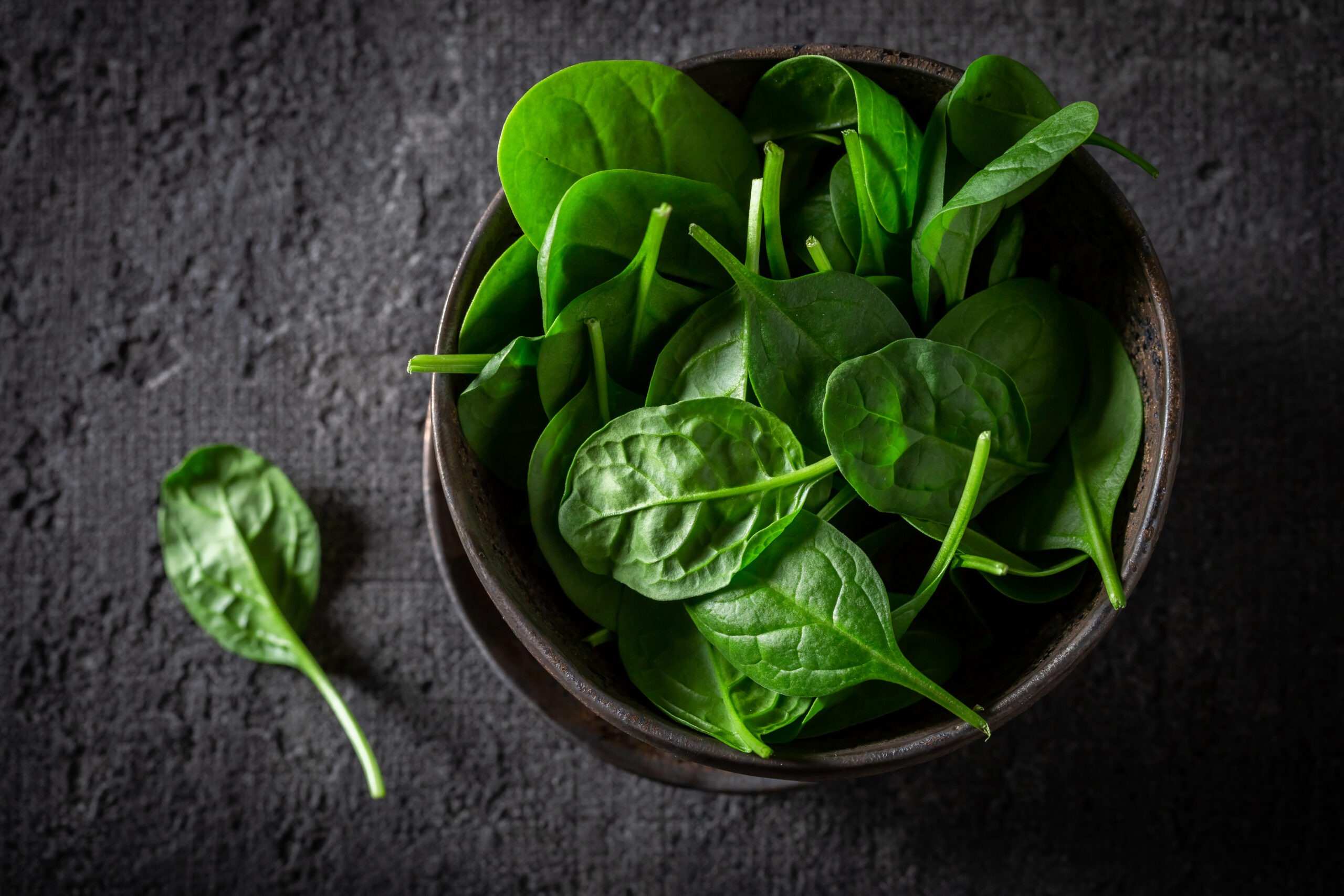
Spinach is one of the quickest and most useful leafy vegetables you can grow at home.
It doesn’t require much space, can be grown successfully in containers and raised beds, and you can start harvesting young leaves within just a few weeks of sowing.
It’s also a particularly good crop for the cooler parts of the gardening year.
Unlike tomatoes, peppers and cucumbers, spinach doesn’t need hot summer weather. In fact, excessive heat can cause problems because spinach tends to bolt when temperatures rise and the days become long.
That makes spring and autumn two of the best times to grow it in the UK.
In this beginner’s guide, we’ll cover when to sow spinach in the UK, how to grow it in beds and containers, watering, feeding, harvesting, preventing bolting and dealing with the most common problems.
Spinach at a Glance
| Spinach | |
|---|---|
| Sow | February–May and August–October |
| Harvest | April–June and September–December |
| Position | Full sun or partial shade |
| Difficulty | Easy |
| Spacing | Around 10–15cm |
| Row spacing | Around 30cm |
| Containers | Excellent |
| Soil | Fertile, moisture-retentive and well drained |
| Watering | Regular and consistent |
| Time to harvest | Around 4–8 weeks |
| Frost tolerance | Good, depending on variety |
Why Grow Spinach?
Spinach is an excellent crop for beginners because it grows quickly.
You don’t have to sow seeds in February and wait until August before getting anything back.
Young spinach leaves can often be harvested within:
four to six weeks.
Spinach is also:
- Easy to sow
- Suitable for small gardens
- Excellent in containers
- Useful for succession planting
- Productive in cooler weather
- Suitable for baby-leaf harvesting
- Good for filling gaps between other crops
You can harvest individual leaves while allowing the plant to continue growing, which means a relatively small patch can provide several harvests.
True Spinach vs Perpetual Spinach
This is worth understanding before buying seed.
Several plants are commonly described as spinach, but they aren’t all the same.
True Spinach
True spinach is Spinacia oleracea.
It produces the familiar tender leaves used in salads and cooking.
It grows particularly well in cool conditions but is prone to bolting during hot summer weather.
Good for: Spring and autumn crops.
Perpetual Spinach
Perpetual spinach is actually a type of leaf beet and is closely related to Swiss chard.
It has a similar use in the kitchen but is generally:
- More tolerant of heat
- Longer cropping
- Less prone to bolting
- More robust
If you want a dependable leafy vegetable for a long season, perpetual spinach is an excellent choice.
But if you want traditional spinach leaves, choose true spinach.
When to Sow Spinach in the UK
Spinach prefers cool growing conditions.
The two main sowing periods are:
spring
and
late summer into autumn.
For most UK gardeners, a useful schedule is:
February–March
Make early sowings under fleece, cloches or other protection.
March–May
Main spring sowing period.
June–July
True spinach can struggle with heat and long days, so this is often the most difficult period.
August–September
Excellent time for autumn sowings.
September–October
Suitable hardy varieties can be sown for later autumn or overwintering crops.
Always check the seed packet because varieties differ.
Why Spinach Is Better in Spring and Autumn
Spinach is naturally adapted to cooler conditions.
As temperatures increase and days lengthen, the plant receives signals that encourage it to:
flower and produce seed.
This is called bolting.
Once spinach bolts, leaf quality declines rapidly.
The leaves can become:
- Tougher
- Smaller
- More bitter
This is why trying to grow traditional spinach through the hottest part of summer can be frustrating.
Instead, treat it primarily as a:
cool-season crop.
How to Sow Spinach
Spinach is usually easiest to sow directly where you want it to grow.
Prepare a shallow drill approximately:
2cm deep.
Sow seeds around:
2–3cm apart.
Cover gently with soil.
Water if conditions are dry.
Once seedlings become established, thin them to their final spacing.
How Far Apart Should Spinach Be?
For full-sized plants, aim for approximately:
10–15cm between plants
with rows roughly:
30cm apart.
For baby-leaf spinach, plants can be grown much closer together because they’ll be harvested while young.
Spacing depends on what you want.
Baby spinach
Close spacing is fine.
Full-sized plants
Give them more room.
How Long Does Spinach Take to Germinate?
Under suitable conditions, spinach seeds often germinate within approximately:
7–14 days.
Cool soil is generally not a problem.
Very warm soil can actually reduce germination.
Keep the seedbed reasonably moist while seedlings establish.
Does Spinach Need to Be Started Indoors?
Not usually.
Spinach grows so quickly that direct sowing is generally easier.
However, you can start plants in modules if:
- Slugs are a major problem
- You want to fill a bed immediately after another crop
- Outdoor conditions are particularly poor
Avoid letting module-grown spinach become root-bound before transplanting.
Spinach prefers uninterrupted growth.
Where Should You Grow Spinach?
Spinach grows well in:
full sun or partial shade.
During spring and autumn, a sunny position works well.
During warmer conditions, some shade can be beneficial.
A position receiving morning sun and afternoon shade can help keep plants cooler and delay bolting.
This makes spinach useful for parts of the garden that aren’t suitable for heat-loving vegetables.
Preparing the Soil
Spinach likes fertile soil.
The ideal soil is:
- Moisture-retentive
- Well drained
- Fertile
- Rich in organic matter
Before sowing, remove weeds and incorporate some:
well-rotted compost
if the soil needs improvement.
Spinach has relatively shallow roots, so maintaining moisture near the soil surface is important.
Growing Spinach in Raised Beds
Raised beds are excellent for spinach.
They offer:
- Easy soil preparation
- Good drainage
- Simple weed control
- Convenient harvesting
Because spinach grows quickly, it’s particularly useful as a temporary crop.
For example, you can grow spring spinach in a bed that will later be used for:
- Courgettes
- French beans
- Cucumbers
- Pumpkins
Harvest the spinach before the summer crop needs the space.
Growing Spinach in Containers
Spinach is one of the best vegetables for container growing.
You don’t need a huge pot.
A container around:
15–20cm deep
is sufficient for many varieties.
Wide troughs and window boxes work particularly well because they provide lots of growing area.
Fill them with good-quality multipurpose compost.
Make sure the container has drainage holes.
Growing Spinach on a Balcony
Spinach is excellent for balconies.
It:
- Needs relatively little root depth
- Tolerates partial shade
- Grows quickly
- Doesn’t require support
This is particularly useful on east- or west-facing balconies where full-day sunshine isn’t available.
One issue to watch is wind.
Wind can dry containers rapidly, so check compost moisture frequently.
Growing Baby Spinach
Baby spinach is simply spinach harvested while the leaves are young.
You don’t need a special growing technique.
Sow seeds relatively close together.
Once leaves reach a useful size, begin cutting them.
Baby leaves are typically:
- More tender
- Milder
- Excellent in salads
Because you’re harvesting early, you can produce baby spinach quickly and make repeated sowings.
Successional Sowing
Instead of sowing the whole packet at once, sow a small amount every:
two to three weeks.
For example:
First sowing: March
Second sowing: Late March
Third sowing: April
Fourth sowing: Late April
Then take a break if the weather becomes hot.
Start again around:
August.
This gives you a much longer supply of fresh leaves.
How Often Should You Water Spinach?
Spinach needs consistent moisture.
Dry conditions encourage stress and can cause plants to bolt sooner.
During dry weather, water regularly.
The goal is:
moist soil, not waterlogged soil.
Container-grown spinach requires particularly close attention.
A small planter can dry remarkably quickly during warm weather.
How Should You Water Spinach?
Water the soil around the plants.
Morning watering is generally ideal.
This gives any wet foliage time to dry during the day.
Avoid repeatedly leaving foliage soaked overnight, particularly in cool weather.
Good airflow helps reduce fungal problems.
Does Spinach Need Feeding?
Spinach is grown for its leaves, so fertile soil helps.
Plants growing in ground enriched with compost often need relatively little extra feeding.
Container spinach may benefit from occasional feeding because compost nutrients become depleted.
A balanced or slightly nitrogen-rich liquid vegetable feed can help support healthy leafy growth.
Don’t overdo it.
Spinach grows rapidly and generally doesn’t require an intensive feeding regime.
Should You Mulch Spinach?
A light mulch can be useful around established plants.
It helps:
- Retain moisture
- Suppress weeds
- Keep soil cooler
Well-rotted compost is a good option.
This is particularly useful as spring begins warming up.
How to Harvest Spinach
There are two main approaches.
Harvest Individual Leaves
Pick larger outer leaves while leaving:
the central growing point intact.
The plant then continues producing new leaves.
This is ideal for a small household.
Harvest the Whole Plant
You can also cut the entire plant once it reaches a useful size.
This is convenient if you’re:
- Freezing spinach
- Cooking a large batch
- Clearing the bed for another crop
For the longest harvest, pick individual leaves.
When Is Spinach Ready to Harvest?
Baby spinach can potentially be ready within:
four to six weeks.
Larger mature leaves usually take somewhat longer.
Don’t feel you need to wait for enormous leaves.
Younger foliage is often:
- More tender
- Sweeter
- Better for salads
Once plants begin producing strongly, harvest regularly.
The Cut-and-Come-Again Method
Spinach works extremely well as a cut-and-come-again crop.
Instead of removing the whole plant:
- Pick several mature outer leaves.
- Leave younger central leaves.
- Allow the plant to continue growing.
- Return several days later.
- Harvest again.
A small number of healthy plants can provide several meals this way.
What Is Bolting?
Bolting happens when spinach starts producing:
a tall flowering stalk.
This means the plant is switching from producing leaves to producing seed.
It is commonly triggered by:
- Hot weather
- Long days
- Dry soil
- Plant stress
Once bolting begins, leaf production and quality decline.
How to Stop Spinach Bolting
You can’t stop the natural process forever.
But you can delay it.
Keep soil moist
Drought encourages stress.
Provide some summer shade
Cooler conditions help.
Choose bolt-resistant varieties
Some cultivars cope better with warmth.
Sow at the right time
Spring and autumn are easier than midsummer.
Harvest regularly
Don’t leave mature plants standing indefinitely.
During very hot weather, it’s often easier to stop sowing true spinach altogether and restart later.
Growing Spinach in Summer
Summer is the most difficult period for true spinach.
If you want to try:
- Choose bolt-resistant varieties
- Use partial shade
- Keep soil consistently moist
- Harvest young
- Sow small amounts
Alternatively, grow:
perpetual spinach
or
Swiss chard
during summer and return to true spinach in autumn.
Growing Spinach in Autumn
Autumn is one of the best spinach-growing periods.
Sow from around:
August onwards
depending on variety.
The cooler temperatures reduce bolting and the soil is still warm enough for good germination.
Early autumn sowings can produce a useful crop before winter.
Later sowings may overwinter and resume stronger growth in spring.
Can Spinach Grow Through Winter?
Yes, with suitable varieties and protection.
Hardy spinach can tolerate cold conditions.
You can extend the season using:
- Fleece
- Cloches
- Cold frames
- Greenhouses
- Polytunnels
Growth becomes much slower during the darkest part of winter.
The plants may seem to stop completely.
As daylight increases in late winter, they begin growing again.
Should You Cover Spinach with Fleece?
Fleece can be extremely useful for:
- Early spring crops
- Late autumn crops
- Overwintering spinach
It provides some protection from:
- Frost
- Cold winds
- Harsh weather
It can also reduce damage from certain pests.
Make sure plants still have enough ventilation.
Slugs and Snails
Slugs and snails are one of the main spinach pests.
Young leaves are particularly vulnerable.
Check plants regularly during damp weather.
Keep the surrounding area reasonably tidy and avoid creating unnecessary hiding places.
Container growing can make monitoring easier, although it doesn’t guarantee slug-free spinach.
Birds
Birds can occasionally damage young spinach plants.
If this becomes a problem, lightweight netting can protect crops.
Make sure the netting is supported rather than resting directly on the leaves.
Leaf Miners
Leaf miners can affect spinach.
Their larvae feed inside leaves, creating:
pale trails, patches or tunnels.
Remove badly affected leaves.
Fine insect mesh can help prevent adult flies reaching the crop.
Small amounts of damage don’t necessarily ruin the plant.
Downy Mildew
Spinach can suffer from downy mildew, particularly in cool, humid conditions.
Symptoms may include:
- Yellow patches
- Grey or purple growth underneath leaves
- Damaged foliage
Reduce risk by:
- Avoiding overcrowding
- Providing good airflow
- Watering the soil rather than constantly wetting leaves
- Choosing resistant varieties
Remove badly affected foliage.
Why Are My Spinach Leaves Turning Yellow?
Possible causes include:
Overwatering
Waterlogged roots can struggle.
Underwatering
Dry conditions cause stress.
Nutrient deficiency
Especially in containers.
Disease
Look for patches or fungal growth.
Natural ageing
Older outer leaves eventually decline.
Remove old yellow leaves and assess the overall plant.
Why Is My Spinach Not Growing?
Slow growth can result from:
- Very cold weather
- Poor soil
- Lack of nutrients
- Waterlogging
- Severe drought
- Overcrowding
During winter, slow growth is completely normal because light levels are low.
Spring growth should accelerate as conditions improve.
Why Are My Spinach Leaves Small?
Common causes include:
- Overcrowding
- Poor soil
- Dry conditions
- Plants beginning to bolt
- Very warm weather
If you’ve intentionally planted closely for baby leaves, small foliage is exactly what you want.
For full-sized leaves, thin plants and maintain steady moisture.
Best Spinach Varieties for Beginners
There are several excellent varieties worth considering.
Giant Winter
A hardy traditional spinach suitable for autumn sowing and overwintering.
Good for: Cold-weather crops.
Matador
A reliable traditional variety that can be grown during spring and autumn.
Good for: General-purpose growing.
Palco F1
A productive modern variety with useful disease resistance.
Good for: Reliable crops and beginners.
Amazon F1
Produces good-quality dark green foliage.
Good for: Baby leaves and full-sized spinach.
Perpetual Spinach
Although technically a type of leaf beet rather than true spinach, it’s extremely productive and easy to grow.
Good for: Long harvests and summer growing.
Can Spinach Grow in Partial Shade?
Yes.
Spinach is one of the better vegetables for partial shade.
A few hours of direct sunlight combined with good general daylight can still produce a worthwhile crop.
During summer, partial shade may actually improve results by keeping plants cooler.
This makes spinach useful for:
- North-east-facing gardens
- Partially shaded raised beds
- Spaces beside taller crops
Can Spinach Be Grown in Scotland?
Absolutely.
Spinach is extremely well suited to cooler Scottish conditions.
In fact, the cooler temperatures can be an advantage.
The main challenges are likely to be:
- Very wet soil
- Slugs
- Low winter light
Raised beds and containers can help with drainage.
Spring and autumn can produce excellent crops.
Can You Grow Spinach Indoors?
Yes.
Baby spinach can be grown indoors near a bright window.
Use:
- Window boxes
- Seed trays
- Wide pots
The main limitation is light.
During winter, ordinary indoor daylight may not be sufficient for rapid growth.
But during spring and autumn, a bright windowsill can provide useful harvests.
Can You Grow Spinach Between Other Vegetables?
Yes.
Spinach is excellent for intercropping because it grows quickly and tolerates some shade.
You can grow it between young:
- Peas
- Runner beans
- Broccoli
- Cabbage
- Leeks
Harvest the spinach before the larger crops need the space.
This is particularly useful in raised beds.
What Can You Grow After Spinach?
Because spring spinach can finish early, the bed can then be used for summer crops.
Good options include:
- French beans
- Runner beans
- Courgettes
- Cucumbers
- Pumpkins
Autumn spinach can follow crops such as:
- Early potatoes
- Peas
- Garlic
- French beans
This makes spinach an excellent crop for succession planting.
Can You Save Spinach Seeds?
Yes.
However, spinach is wind-pollinated and can cross with other spinach varieties nearby.
Allow healthy plants to bolt and flower.
Eventually, seeds form and mature.
Collect them once dry.
Store somewhere:
cool, dry and dark.
For beginners, buying fresh seed is generally easier, but saving your own is certainly possible.
How to Store Fresh Spinach
Fresh spinach is best eaten soon after harvesting.
Store unwashed leaves in the refrigerator.
Wash immediately before use.
Fresh leaves can be used in:
- Salads
- Curries
- Pasta
- Soups
- Omelettes
- Stir-fries
Spinach loses volume dramatically during cooking, so don’t be surprised when an enormous bowl of leaves turns into a relatively small portion.
Can You Freeze Spinach?
Yes.
If you have a large harvest, freezing is useful.
A typical method is:
- Wash the leaves.
- Briefly blanch them in boiling water.
- Cool immediately in cold water.
- Drain thoroughly.
- Portion and freeze.
Frozen spinach is ideal for:
- Soups
- Curries
- Sauces
- Pasta dishes
Growing Spinach Month by Month
| Month | What to do |
|---|---|
| January | Harvest protected overwintering spinach |
| February | Begin early sowings under protection |
| March | Main spring sowing begins |
| April | Sow regularly and begin harvesting |
| May | Continue harvesting and watch for bolting |
| June | Harvest remaining spring crops |
| July | Pause true spinach during hot weather if necessary |
| August | Begin main autumn sowing |
| September | Continue sowing and harvest early autumn crops |
| October | Harvest and protect later sowings |
| November | Harvest hardy varieties |
| December | Maintain protected overwintering crops |
What You’ll Need to Grow Spinach
Spinach requires very little specialist equipment.
I’d recommend:
Spinach seeds
A hand trowel
A garden rake
Multipurpose compost for containers
A watering can with a fine rose
A container or raised bed if required
Horticultural fleece for extending the season
Fine insect mesh if leaf miner becomes a problem
Plant labels
One of the best things about spinach is how little equipment you actually need.
A packet of seeds and a decent container are enough to start producing fresh leaves.
[See Our Recommended Garden Planters →]
[See Our Recommended Raised Beds →]
[See Our Recommended Horticultural Fleece →]
[Essential Equipment Every Gardener Needs →]
Spinach Growing FAQs
Is spinach easy to grow?
Yes. Spinach is a quick and beginner-friendly crop, particularly when grown during spring and autumn.
When should I sow spinach in the UK?
The main sowing periods are from around February to May and again from August into autumn, depending on variety.
How long does spinach take to grow?
Baby leaves can often be harvested within four to six weeks, while larger leaves may take around six to eight weeks.
How deep should spinach seeds be planted?
Around 2cm deep is a useful general guide.
How far apart should spinach plants be?
For full-sized plants, allow roughly 10–15cm between plants.
Can spinach grow in pots?
Yes. Spinach is extremely well suited to containers and window boxes.
Does spinach need full sun?
No. It grows well in full sun or partial shade.
Why does spinach bolt?
Hot weather, long days and dry soil can encourage spinach to flower and produce seed.
How can I stop spinach bolting?
Grow it during cooler weather, keep the soil consistently moist, provide partial shade during warmer periods and choose bolt-resistant varieties.
Can spinach grow through winter?
Hardy varieties can overwinter successfully, especially with protection such as fleece, cloches or an unheated greenhouse.
Can you harvest spinach more than once?
Yes. Pick mature outer leaves while leaving the central growing point intact.
Is perpetual spinach the same as spinach?
No. Perpetual spinach is a type of leaf beet, but it’s grown and cooked in a very similar way.
Can spinach be grown in Scotland?
Yes. Spinach is particularly well suited to cooler Scottish growing conditions.
Final Thoughts
Spinach is one of the most useful crops for filling the gaps in a vegetable-growing year.
It can produce fresh leaves in spring before many summer vegetables have even been planted.
Then, when tomatoes, courgettes and beans begin finishing, spinach can be sown again for autumn.
For a beginner, I’d treat spinach primarily as a:
spring and autumn crop.
That’s when it’s at its easiest.
Sow a small row in March.
Keep it watered.
Start harvesting the outer leaves while they’re young.
Then sow another short row two or three weeks later.
When summer becomes hot and the plants start trying to flower, don’t fight them endlessly.
Clear the bed, grow something else, and start sowing spinach again in late summer.
For an even longer harvest, grow some perpetual spinach alongside your traditional varieties.
It isn’t true spinach, but it’s one of the most dependable leafy crops you can grow.
Once you get into the habit of sowing small batches rather than one enormous crop, spinach becomes remarkably easy.
And that’s exactly what a good kitchen-garden vegetable should be:
quick to grow, simple to harvest and useful enough that you’ll actually eat it.