Gardeners Guide · Grow your own
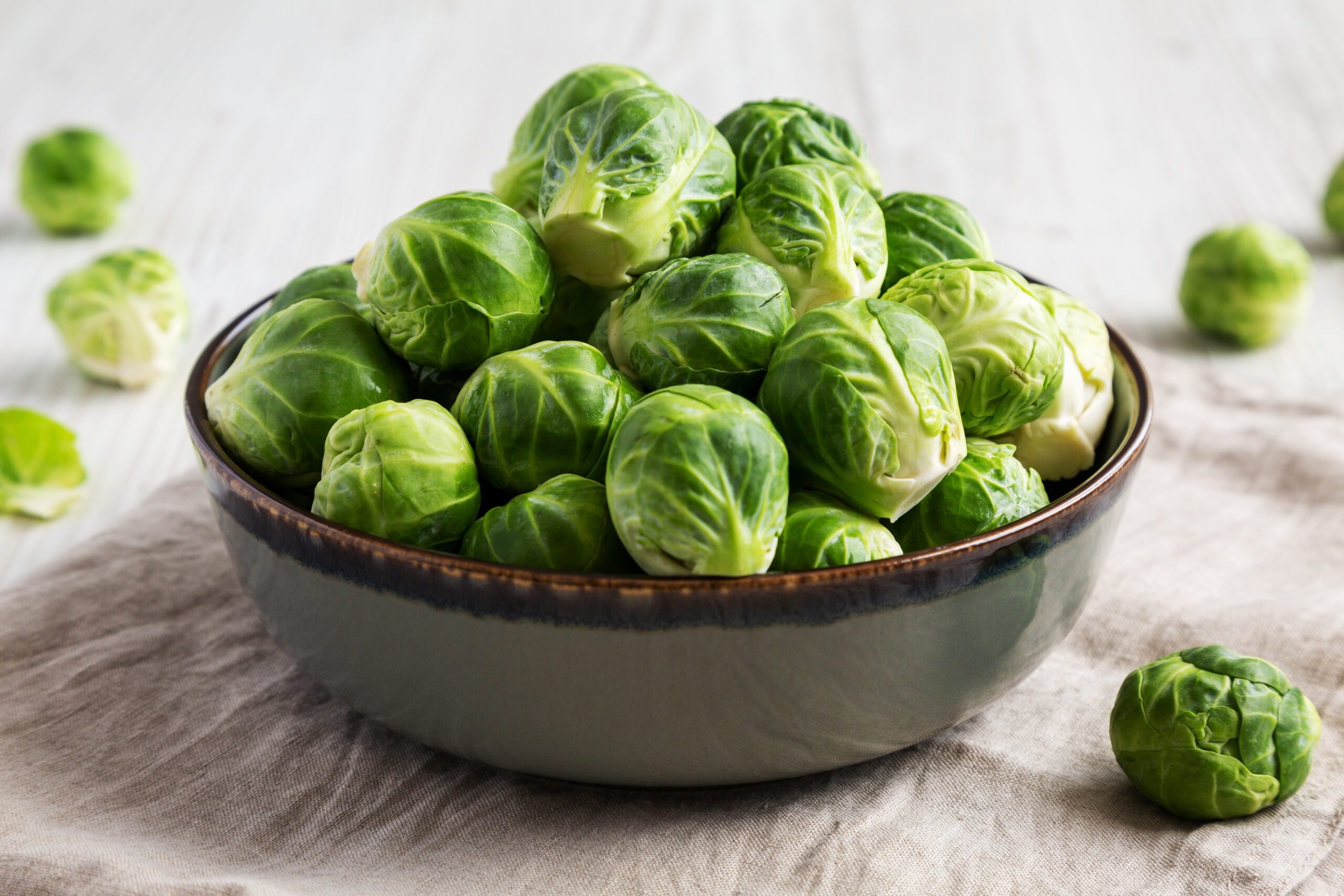
Brussels sprouts are one of the classic vegetables of the British winter garden.
They’re hardy, productive and perfectly suited to cold weather. In fact, sprouts often taste better after they’ve experienced a few frosts.
But if you want home-grown Brussels sprouts for Christmas dinner, you need to plan well ahead.
Brussels sprouts aren’t planted in autumn for a winter crop. They have a long growing season and are normally sown in spring, planted out in early summer and harvested from autumn through winter.
Once established, however, they require relatively little attention during the colder months.
Here’s how to grow, care for and harvest Brussels sprouts successfully through autumn and winter in the UK.
Brussels Sprouts at a Glance
| Brussels Sprouts | |
|---|---|
| Sow | February–April |
| Plant out | May–June |
| Harvest | September–February |
| Difficulty | Moderate |
| Position | Full sun |
| Plant spacing | Around 60cm |
| Rows | Around 75cm apart |
| Containers | Possible, but challenging |
| Frost hardy | Yes |
| Main winter problems | Pigeons and wind rock |
| Crop family | Brassicas |
Why Grow Brussels Sprouts for Winter?
Brussels sprouts are almost designed for winter harvesting.
Established plants are extremely hardy and can remain standing outside long after many other vegetables have finished.
They provide:
- Fresh vegetables through winter
- Repeated harvests from the same plant
- Excellent cold tolerance
- A crop when the garden is otherwise relatively quiet
You don’t need to harvest the entire plant at once.
Pick mature sprouts from the bottom upwards and leave the smaller ones higher up the stem to continue developing.
When Should You Sow Brussels Sprouts?
If you want sprouts during autumn and winter, sow them during:
February to April.
Early varieties are generally started first.
Later winter varieties can be sown later in spring.
Seeds can be started:
- Indoors
- In modules
- In seed trays
- In an outdoor seed bed
They’ll then be transplanted into their final position.
When Should Brussels Sprouts Be Planted Out?
Young plants are usually moved into their final growing position around:
May to June.
By autumn, you want large, sturdy plants with thick stems and established root systems.
Don’t wait until September to plant Brussels sprouts and expect a winter crop.
They simply need too much time to mature.
Choosing a Variety
Brussels sprout varieties mature at different times.
Choosing carefully can significantly extend your harvesting season.
Early Varieties
These can begin cropping during early autumn.
They’re useful if you don’t want to wait until winter.
Mid-Season Varieties
These produce during late autumn and early winter.
They’re ideal if you’re aiming for a Christmas harvest.
Late Varieties
Hardy late varieties can remain productive into:
January and February.
For the longest possible season, grow more than one variety.
Where to Grow Brussels Sprouts
Choose somewhere with:
full sun and reasonably fertile soil.
More importantly, choose somewhere the plants can remain undisturbed for most of the year.
Brussels sprouts become:
large plants.
They aren’t ideal for squeezing into small gaps between other vegetables.
They also need reasonably firm ground.
Firm Soil Is Important
This is one of the most important things to understand about Brussels sprouts.
They prefer:
firm soil.
Loose soil allows the plants to move in strong winds.
This can lead to:
wind rock.
The roots become disturbed and the plant may produce loose, poorly formed sprouts.
After planting, firm the soil thoroughly around each plant.
Preparing the Soil
Brussels sprouts appreciate fertile ground.
Before planting, incorporate:
well-rotted compost or organic matter.
Ideally, prepare the bed ahead of planting so the soil has time to settle.
If your soil is very acidic, brassicas may benefit from liming, but test your soil before adding lime unnecessarily.
How Far Apart Should Brussels Sprouts Be?
Allow approximately:
60cm between plants
and around:
75cm between rows.
This might look excessive when the seedlings are small.
It won’t look excessive by autumn.
Mature Brussels sprout plants need room for:
- Large leaves
- Air circulation
- Root development
- Access for harvesting
Don’t overcrowd them.
Growing Brussels Sprouts in Raised Beds
Brussels sprouts can grow very well in raised beds.
However, remember that raised-bed soil can sometimes be loose.
Firm the soil properly around the plants.
The bed also needs to be:
deep and substantial enough to support large plants.
Small shallow planters aren’t ideal.
Can Brussels Sprouts Grow in Containers?
Technically, yes.
But they’re not one of the vegetables I’d particularly recommend for container growing.
The plants become large and top-heavy.
If you want to try, use:
- A very large container
- One plant per pot
- Fertile compost
- Strong support
For gardeners with very limited space, kale, spinach or winter lettuce generally provide much more food for the space they occupy.
What Happens During Autumn?
By autumn, healthy plants should have developed:
- Thick central stems
- Large leaves
- Small sprouts forming along the stem
The lowest sprouts mature first.
As temperatures fall, the plants continue developing.
Depending on variety, harvesting may begin during September, October or November.
Do Brussels Sprouts Need Frost?
They don’t need frost to grow.
However, cold conditions can improve their flavour.
Exposure to frost can encourage changes in the plant’s sugars, making sprouts taste:
sweeter and less bitter.
So don’t panic when frost is forecast.
Established Brussels sprout plants are built for cold weather.
Do Brussels Sprouts Need Winter Protection?
Generally not from frost.
Hardy varieties can cope with normal UK winter conditions.
The bigger problems are:
wind and pigeons.
Those are the two things I’d concentrate on protecting plants from.
Protecting Brussels Sprouts from Wind
Mature plants are tall and top-heavy.
Strong winter winds can rock them backwards and forwards.
If your garden is exposed, use:
sturdy stakes.
Place a stake beside the main stem and secure the plant using soft ties.
Don’t tie it so tightly that the stem can’t move at all.
The aim is simply to stop excessive movement.
What Is Wind Rock?
Wind rock occurs when strong wind repeatedly moves the plant.
This loosens the roots in the soil.
The plant can then struggle to take up water and nutrients properly.
Symptoms may include:
- Leaning plants
- Loose roots
- Poor growth
- Loose sprouts
If you can easily wobble the whole plant by touching the stem, firm the soil around the base and add support.
Protecting Brussels Sprouts from Pigeons
Pigeons can cause enormous damage to winter brassicas.
As other food becomes less available, Brussels sprout leaves become increasingly attractive.
Birds can strip plants surprisingly quickly.
Use:
bird netting or a vegetable cage.
Support the netting above the plants rather than simply throwing it over them.
Make sure it’s properly secured and regularly checked to reduce the risk of wildlife becoming trapped.
Cabbage White Caterpillars
Cabbage white butterflies are generally a problem earlier in the season.
They lay eggs on brassica leaves and their caterpillars can cause substantial damage.
Fine insect mesh is one of the best preventative measures.
By midwinter, caterpillars are generally less of a concern.
Cabbage Aphids
Grey-green aphids can gather on leaves and developing sprouts.
Check plants regularly during autumn.
Small infestations can sometimes be removed by hand or washed away.
Natural predators may also help.
Severe infestations inside tightly packed sprouts can make them unpleasant to harvest.
Clubroot
Clubroot is a serious disease affecting brassicas.
Symptoms include:
- Swollen roots
- Wilting
- Yellowing foliage
- Poor growth
The organism responsible can remain in the soil for years.
Crop rotation is important.
Avoid growing Brussels sprouts repeatedly in the same position.
Crop Rotation
Brussels sprouts belong to the:
brassica family.
Other brassicas include:
- Cabbage
- Kale
- Broccoli
- Cauliflower
Don’t follow Brussels sprouts with kale and assume you’ve rotated your crops.
They’re members of the same plant family and can suffer from many of the same soil-borne problems.
Why Are My Brussels Sprouts Loose?
Instead of forming tight, compact buttons, sprouts sometimes become loose and leafy.
Possible causes include:
Loose soil
Wind rock can interfere with development.
Overfeeding with nitrogen
Excessive leafy growth can result.
Overcrowding
Plants need plenty of space.
Variety and weather
Some varieties naturally produce tighter sprouts than others.
Start with firm soil and properly spaced plants.
Should You Remove Brussels Sprout Leaves?
As the lower leaves naturally yellow, you can remove them.
This can:
- Improve airflow
- Make harvesting easier
- Keep the plant tidy
Don’t strip healthy leaves unnecessarily.
The plant still needs them for photosynthesis.
Should You Remove the Top of a Brussels Sprout Plant?
Some gardeners remove the growing tip towards the end of the season to encourage remaining sprouts to mature more evenly.
This can be useful if you’re trying to get a crop ready for a particular time.
However, it’s not essential for normal home growing.
The leafy top itself is also edible.
When Are Brussels Sprouts Ready to Harvest?
Harvest when the individual sprouts are:
firm, compact and a useful size.
Don’t wait until they begin opening into loose leaves.
The lowest sprouts mature first.
Start at the bottom and work upwards.
How to Harvest Brussels Sprouts
Hold the mature sprout firmly and:
twist or snap it away from the stem.
Alternatively, use a small knife.
Leave the smaller sprouts above it to continue developing.
Return every few days or weeks and harvest more as they mature.
Harvesting Brussels Sprouts for Christmas
If you want sprouts for Christmas dinner, choose a variety with an appropriate maturity period.
Don’t rely on the words:
“Brussels sprouts”
alone.
Some varieties mature much earlier or later than Christmas.
Check the seed packet before sowing and consider growing:
two or three varieties with different harvest periods.
That gives you a much better chance of having sprouts ready when you want them.
Can You Harvest Brussels Sprouts After Frost?
Yes.
Absolutely.
There’s no need to harvest everything because frost is forecast.
Hardy varieties can remain outside through repeated frosts.
In fact, many gardeners prefer the flavour after cold weather.
Can Brussels Sprouts Stay in the Ground All Winter?
Yes.
Depending on the variety, plants can remain outside and continue cropping through much of winter.
Late varieties may continue into:
February or even early spring.
Eventually the sprouts begin opening and the plant prepares for flowering.
Harvest them before quality declines.
Don’t Forget the Sprout Tops
Once you’ve harvested most of the sprouts, don’t immediately throw away the plant.
The cluster of leaves at the top is edible.
Sprout tops can be cooked similarly to:
- Cabbage
- Kale
- Spring greens
They’re one of the bonuses of growing your own.
Storing Brussels Sprouts
Freshly harvested sprouts can be kept in the refrigerator for several days.
For the best flavour and texture:
harvest as close as possible to when you intend to eat them.
That’s one of the major advantages of leaving the plants standing outside.
Can You Freeze Brussels Sprouts?
Yes.
For longer storage:
- Remove damaged outer leaves.
- Wash the sprouts.
- Trim the bases.
- Blanch briefly in boiling water.
- Cool rapidly.
- Drain and dry.
- Freeze.
Frozen sprouts are useful when you have more ready than you can eat fresh.
What to Grow After Brussels Sprouts
Once the crop finishes in late winter or early spring, remove the plants and prepare the bed for another vegetable.
Depending on your crop rotation, options include:
- Peas
- Broad beans
- Lettuce
- Onions
- Courgettes
Avoid immediately following them with another brassica where possible.
Brussels Sprouts Through Autumn and Winter
| Period | What to do |
|---|---|
| September | Support plants and check for pests |
| October | Early varieties may be ready |
| November | Harvest from the bottom upwards |
| December | Main harvesting period for many varieties |
| January | Continue harvesting winter varieties |
| February | Harvest late varieties |
| March | Finish remaining crops and clear plants |
What You’ll Need
Brussels sprouts don’t require complicated equipment.
I’d recommend:
Brussels sprout seeds or young plants
Garden fork
Hand trowel
Well-rotted compost
Sturdy plant stakes
Soft plant ties
And for many UK gardens:
bird netting or a vegetable cage.
A good brassica cage can also be used for kale, cabbage, broccoli and cauliflower, making it particularly useful if you grow vegetables regularly.
Brussels Sprout FAQs
Can Brussels sprouts grow through winter in the UK?
Yes. They’re extremely hardy and are traditionally harvested throughout autumn and winter.
When should I sow Brussels sprouts?
Most varieties are sown between February and April.
Can I plant Brussels sprouts in autumn?
Not if you expect a crop that winter. They require a long growing season and should already be mature or approaching maturity by autumn.
Do Brussels sprouts survive frost?
Yes. Established plants tolerate frost extremely well.
Does frost make Brussels sprouts taste better?
Cold conditions can make the sprouts taste sweeter, which is one reason they’re such a good winter crop.
When are Brussels sprouts ready?
Depending on variety, harvesting can begin from September and continue through February.
How do you harvest Brussels sprouts?
Pick firm sprouts from the bottom of the stem first and work upwards as the remaining sprouts mature.
Why aren’t my Brussels sprouts tight?
Loose soil, wind rock, overcrowding, excessive nitrogen and growing conditions can all contribute to loose sprouts.
Do Brussels sprout plants need staking?
In exposed gardens, staking is highly recommended because mature plants are tall and top-heavy.
How do I stop pigeons eating Brussels sprouts?
Cover plants with properly installed bird netting or grow them inside a vegetable cage.
Can Brussels sprouts grow in Scotland?
Yes. Their cold tolerance makes them well suited to Scottish gardens, although tall plants should be protected from strong winds.
Can you eat Brussels sprout leaves?
Yes. The tender leaves at the top of the plant are edible and can be cooked like cabbage or kale.
Final Thoughts
Brussels sprouts are a true winter vegetable.
While tomatoes, courgettes and runner beans disappear with the first cold weather, a healthy Brussels sprout plant can still be standing proudly in the garden months later.
The trick is:
start early.
If you want sprouts for winter, sow them in spring and give them the entire summer to develop.
Plant them firmly.
Give them plenty of space.
Stake them before winter winds become a problem.
And protect them from pigeons.
Once autumn arrives, much of the work is already done.
Then you simply harvest the firm lower sprouts and work your way gradually up the stem as winter progresses.
And don’t worry when frost appears.
Your Brussels sprouts probably aren’t worried about it.
If anything, the cold weather may make your harvest taste even better.
For gardeners trying to produce fresh vegetables throughout winter, Brussels sprouts deserve a place alongside kale and leeks as one of the most dependable cold-season crops.
Continue Your Winter Growing
10 Vegetables to Grow Through Autumn and Winter
How to Grow Kale Through Autumn and Winter
How to Grow and Harvest Leeks Through Autumn and Winter
How to Grow Spinach Through Autumn and Winter
How to Grow Garlic Through Autumn and Winter
[How to Grow Winter Lettuce →]