Gardeners Guide · Grow your own
Summer might be coming to an end, but that doesn’t mean your vegetable garden has to stop producing.
There are plenty of vegetables that can be grown or harvested through autumn and winter in the UK. Choose hardy crops, make the most of any protected space you have, and you can keep your garden productive well into the colder months.
Here are some of the best vegetables to grow.
Garlic
Autumn is one of the best times to plant garlic. Plant individual cloves from October onwards and leave them in the ground over winter for harvesting the following summer.
Garlic actually benefits from a period of cold weather, making it an ideal crop for the winter vegetable garden.
Broad Beans
Hardy varieties of broad beans can be sown in autumn for an earlier crop the following year.
Choose a sheltered, well-drained position and avoid waterlogged ground during winter.
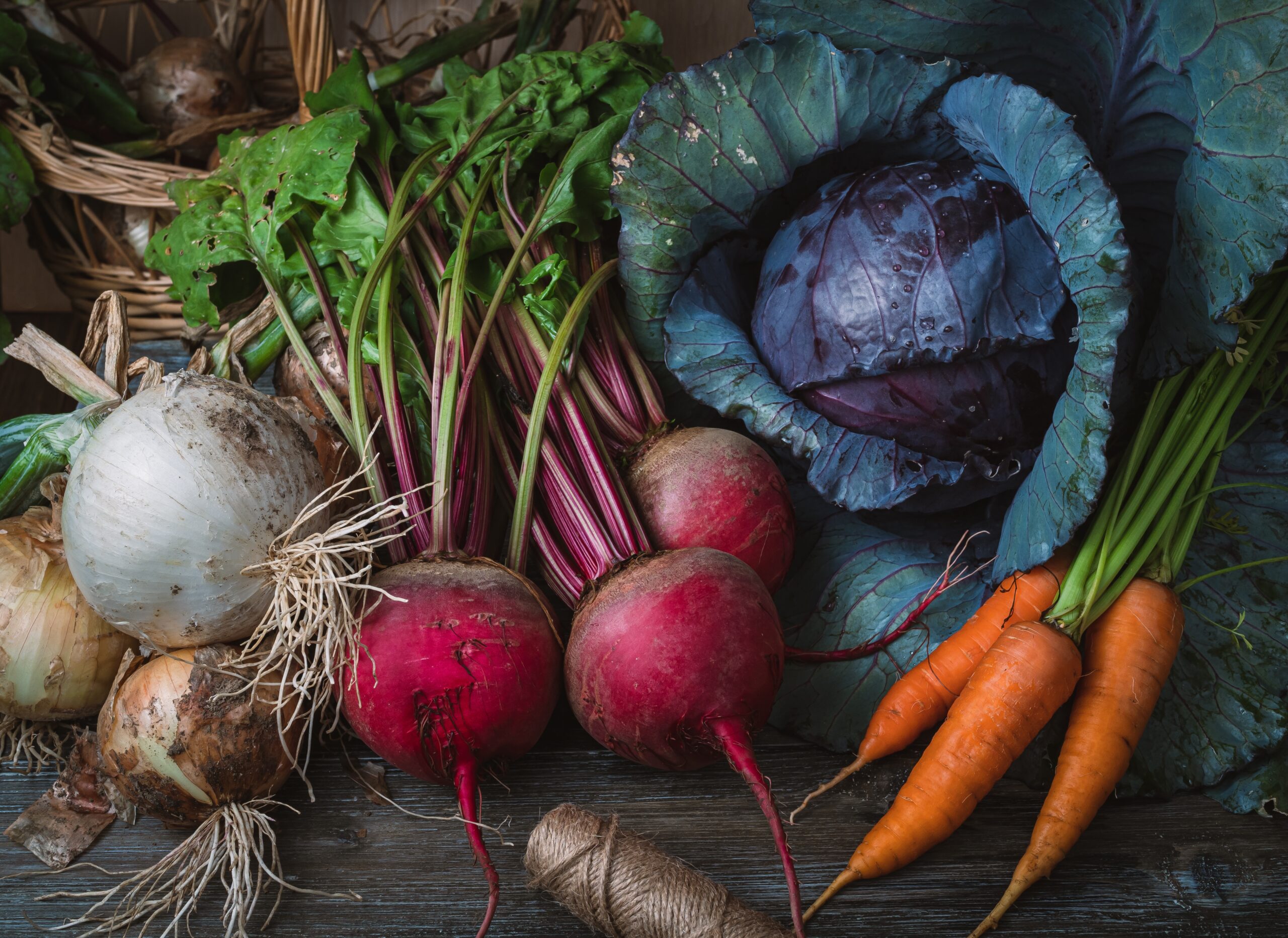
Onions
Autumn-planting onion sets can be planted before winter and left in the ground until the following summer.
They’re relatively low-maintenance and a great way to keep otherwise empty beds productive.
Spinach
Spinach prefers cooler conditions and can perform extremely well during autumn.
Choose hardy varieties for later sowings and provide some protection during particularly cold weather.
Kale
Kale is one of the best vegetables for a winter garden.
Established plants are extremely hardy, and many varieties can continue producing leaves throughout the colder months.
Harvest individual leaves as required and leave the plant growing.
Leeks
Leeks are a classic winter crop.
They are normally sown earlier in the year, but established plants can remain outdoors throughout autumn and winter.
Rather than harvesting everything at once, simply lift leeks whenever you need them.
Brussels Sprouts
Brussels sprouts need a long growing season, so they aren’t normally started in autumn.
However, established plants come into their own during the colder months, with harvesting typically taking place throughout autumn and winter.
Winter Lettuce
Lettuce isn’t just a summer crop.
Cold-tolerant varieties can be grown during autumn and, with protection from a greenhouse, cold frame or cloche, you can continue harvesting fresh leaves into winter.
Spring Cabbage
Spring cabbage is traditionally sown in late summer and early autumn before overwintering.
The young plants sit through winter before producing fresh leafy heads in spring.
Swiss Chard
Swiss chard is surprisingly hardy.
Established plants can continue producing leaves during autumn, and in milder conditions they may provide harvests well into winter.
Protecting plants with fleece or a cloche can extend the season further.
Protecting Vegetables Through Winter
Cold isn’t always the biggest problem in a UK winter.
Persistent rain, waterlogged soil and strong winds can cause just as much trouble.
Keep winter vegetable beds well drained and remove dead or diseased foliage.
For less hardy crops, a few simple pieces of equipment can extend the growing season considerably:
- Horticultural fleece
- Cloches
- Cold frames
- Mini greenhouses
- Raised beds
- Mulch
These can help protect plants from frost, wind and prolonged wet weather.
[See Our Recommended Winter Growing Equipment →]
What Should Beginners Grow?
If you’re trying autumn and winter growing for the first time, keep it simple.
I’d start with:
Garlic, kale, spinach and winter lettuce.
They’re relatively straightforward and give you a good mixture of crops for both short-term harvesting and the following year.
You don’t need to fill the entire garden.
Start with one raised bed, a few containers or a small section of your vegetable patch.
With a little planning, the end of summer doesn’t have to mean the end of your growing season.
Continue Growing
Explore the Grow Your Own Series