Gardeners Guide · Grow your own
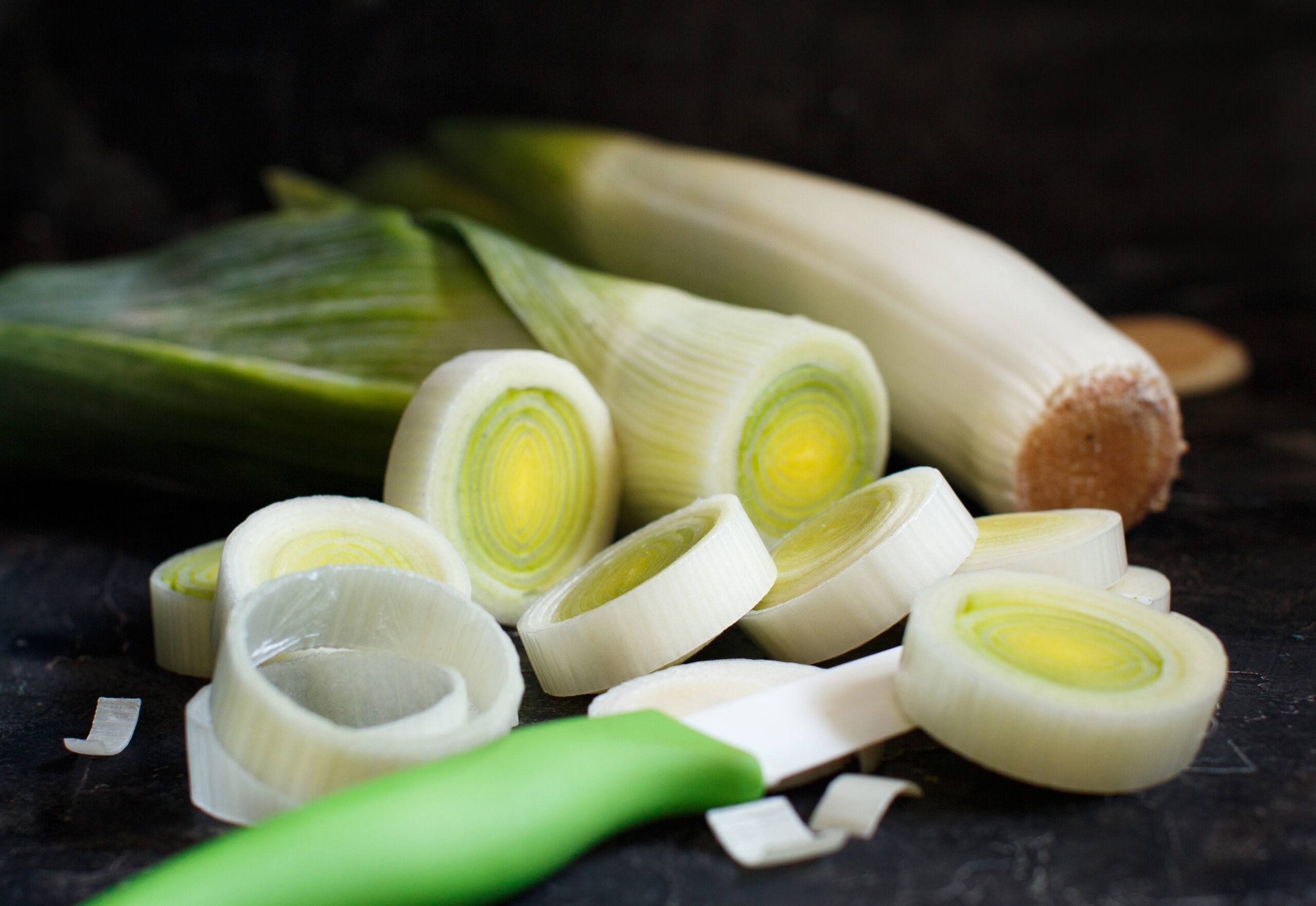
Leeks are one of the classic vegetables of the British winter garden.
They’re hardy, dependable and can remain in the ground for months, allowing you to harvest them whenever you need them rather than lifting the entire crop at once.
Unlike garlic or autumn onion sets, however, leeks aren’t normally planted in autumn for a winter harvest.
Winter leeks are usually sown in spring and planted out during summer, giving them plenty of time to develop before colder weather arrives.
Once established, hardy varieties can stand outside throughout autumn and winter and provide fresh vegetables when relatively little else is growing.
Here’s how to grow, care for and harvest leeks through autumn and winter in the UK.
Leeks at a Glance
| Leeks | |
|---|---|
| Sow | March–April |
| Plant out | May–July |
| Harvest | Autumn–spring |
| Difficulty | Easy |
| Position | Full sun |
| Plant spacing | Around 15cm |
| Rows | Around 30cm apart |
| Containers | Possible |
| Frost hardy | Yes, depending on variety |
| Main winter problems | Leek moth, leek rust and waterlogging |
Why Grow Leeks for Winter?
Leeks are particularly useful because you don’t need to harvest them all at once.
A mature crop can effectively act as:
living winter storage.
Leave the plants in the ground and lift individual leeks whenever you need them.
Hardy varieties can remain productive through:
- Autumn
- Frost
- Cold weather
- Much of winter
- Early spring
That makes leeks an excellent crop for filling the gap between summer vegetables and the following year’s harvests.
When Should You Sow Winter Leeks?
If you want leeks for autumn and winter harvesting, plan ahead.
Sow them during:
March and April.
Seeds can be started:
- Indoors
- In seed trays
- In modules
- In a nursery bed outdoors
The seedlings grow through spring before being transplanted into their final position.
When Should Leeks Be Planted Out?
Young leeks are usually planted into their final growing position between:
May and July.
A traditional rule is to wait until seedlings are approximately:
pencil thickness.
Don’t worry if they’re slightly smaller.
Healthy seedlings generally establish well once planted outside.
Choosing Leeks for Winter Growing
Leek varieties mature at different times.
If you want a crop that stands well through winter, choose varieties specifically described as:
winter hardy or late season.
Earlier varieties can provide autumn crops, while hardier later varieties can remain in the ground through winter.
Growing more than one variety is an excellent way to extend your harvest.
Where to Grow Leeks
Choose somewhere with:
full sun and fertile, well-drained soil.
Leeks tolerate cold weather extremely well once established.
As with many winter vegetables, persistent waterlogging can cause more trouble than frost.
If your garden has heavy soil, adding organic matter and improving drainage before planting can help.
Preparing the Soil
Leeks are in the ground for a long time, so it’s worth preparing the bed properly.
Before planting:
- Remove weeds.
- Loosen compacted soil.
- Incorporate well-rotted compost or organic matter.
- Rake the surface level.
Avoid planting directly into large amounts of fresh manure.
A fertile, moisture-retentive but free-draining soil is ideal.
The Traditional Leek Planting Method
Leeks are planted differently from many vegetables.
Instead of digging a conventional planting hole, use a dibber or similar tool to create a hole approximately:
15–20cm deep.
Drop the leek seedling into the hole.
Don’t fill the hole back in with soil.
Instead:
water the hole.
The soil gradually washes down around the roots naturally.
This method helps produce the long white section of stem that gardeners want.
Why Don’t You Fill the Planting Hole?
Leaving the hole open allows soil to gradually fall around the growing leek.
As the plant develops, the stem remains partially protected from light.
This creates the pale section known as the:
blanched stem.
It’s one of the characteristic features of a well-grown leek.
How Far Apart Should Leeks Be?
For good-sized leeks, aim for approximately:
15cm between plants.
Leave around:
30cm between rows.
Closer spacing generally produces smaller leeks.
Wider spacing allows individual plants to become larger.
Growing Leeks in Containers
Leeks can be grown in containers, although they’re better suited to deeper pots than shallow ones.
Choose a container with:
- Good depth
- Plenty of drainage holes
- Good-quality compost
You probably won’t produce enormous exhibition-sized leeks, but container-grown plants can still provide an excellent kitchen crop.
They’re a useful option for patios and small gardens.
Growing Leeks in Raised Beds
Raised beds are particularly suitable for leeks.
They offer:
- Good drainage
- Deep soil
- Easier weeding
- Easier harvesting
- Better control over soil quality
A deep raised bed also makes it easier to produce longer white stems.
How to Get Longer White Leeks
The white part of the leek develops where the stem is protected from light.
This process is called:
blanching.
The deep-hole planting method naturally creates some blanching.
As plants develop, you can also gently draw soil around the stems.
Do this gradually.
Avoid getting large quantities of soil down between the leaves because it can become trapped inside the leek.
Should You Earth Up Leeks?
You can.
Earthing up simply means gradually drawing soil around the stems.
This increases the length of the white section.
Don’t bury the leaves completely.
A little soil added gradually is better than suddenly covering half the plant.
What Happens to Leeks During Autumn?
By autumn, properly established plants should be approaching useful harvesting size.
Early varieties may already be ready.
Later winter varieties continue developing as temperatures fall.
Growth gradually slows as:
- Temperatures drop
- Day length decreases
That’s normal.
The aim is to have mature plants standing in the ground before the harshest weather arrives.
Can Leeks Survive Frost?
Yes.
Hardy winter varieties cope extremely well with frost.
A normal UK frost generally isn’t a reason to harvest your entire crop.
In fact, leaving leeks in the ground means you can continue lifting them as required throughout winter.
Very severe prolonged freezing can make harvesting difficult because the ground itself becomes frozen.
Should You Cover Leeks During Winter?
Established hardy leeks generally don’t require fleece.
They’re naturally cold tolerant.
However, some protection may be useful in extremely exposed locations.
The bigger priorities are usually:
- Good drainage
- Pest control
- Keeping the bed weed-free
Watering Leeks During Autumn
During dry early autumn weather, continue watering if necessary.
Leeks appreciate consistent moisture while actively growing.
As the weather becomes wetter and growth slows, reduce additional watering.
During a typical British winter, outdoor leeks usually receive more than enough water naturally.
Do Leeks Need Feeding During Winter?
Generally, no.
Most feeding should have taken place while the plants were actively developing earlier in the season.
Applying large amounts of fertiliser during the coldest months won’t force plants to grow.
Healthy winter leeks should already be established.
Keep Leeks Weed-Free
Weeds compete with developing leeks for:
- Water
- Nutrients
- Light
Remove them regularly.
This is particularly important earlier in the growing season while leeks are still relatively small.
By winter, established plants are better able to compete.
Leek Moth
Leek moth can be a serious problem.
The caterpillars feed inside the leaves and stems.
Symptoms can include:
- White or brown patches
- Damaged leaves
- Tunnelling
- Rotting around the centre of the plant
Fine insect mesh can help prevent adult moths reaching the crop during their active period.
Once caterpillars are inside the plant, they’re much harder to deal with.
Allium Leaf Miner
Allium leaf miner can affect:
- Leeks
- Onions
- Garlic
- Shallots
The larvae tunnel through the leaves and stems.
Fine insect mesh can provide useful protection during periods when adult flies are active.
If this pest is common in your area, physical protection is worth considering.
Leek Rust
Leek rust produces distinctive:
orange spots or pustules
on the leaves.
Mild infections often look worse than they actually are.
Severe infections can weaken plants.
To reduce problems:
- Avoid overcrowding
- Maintain good airflow
- Remove badly affected foliage
- Rotate crops
Don’t compost heavily diseased material if you’re concerned about spreading problems.
Crop Rotation
Leeks belong to the:
allium family.
This includes:
- Onions
- Garlic
- Shallots
Avoid repeatedly growing alliums in exactly the same place.
Crop rotation helps reduce the buildup of soil-borne pests and diseases.
Why Are My Leek Leaves Turning Yellow?
Some yellowing of older outer leaves is normal.
Remove dead or badly damaged foliage.
More widespread yellowing can be caused by:
- Waterlogging
- Nutrient deficiency
- Pest damage
- Disease
- Natural ageing
Check the entire plant rather than judging it from one old leaf.
Why Are My Leeks Thin?
Thin leeks can result from:
Late planting
They simply haven’t had enough time to develop.
Crowding
Plants grown too close together remain smaller.
Poor soil
Leeks appreciate reasonably fertile conditions.
Drought earlier in the season
Extended dry periods can restrict growth.
Variety
Some varieties naturally produce slimmer stems.
Thin leeks are still perfectly edible.
When Are Leeks Ready to Harvest?
Leeks can be harvested whenever they’re large enough for your needs.
Autumn varieties may be ready from:
September or October.
Winter varieties can remain in the ground and be harvested through:
December, January, February and into spring.
There’s no need to wait for them to reach supermarket size.
Small leeks are often particularly tender.
How to Harvest Leeks
Don’t simply pull hard on the leaves.
Leeks can be firmly anchored in the ground.
Instead:
- Push a garden fork into the soil beside the plant.
- Loosen the soil underneath.
- Gently lift the leek.
- Shake away excess soil.
Take care not to spear the stem with the fork.
Harvesting Leeks from Frozen Ground
One disadvantage of leaving leeks outside is that frozen soil can make harvesting difficult.
If prolonged freezing weather is forecast, you can lift a few leeks beforehand.
Store them somewhere cool until required.
Alternatively, apply mulch around the plants to help reduce deep freezing of the soil.
Can You Leave Leeks in the Ground All Winter?
Yes.
That’s one of their biggest advantages.
Hardy varieties can remain outside for months.
Harvest them gradually rather than lifting everything at once.
Just don’t leave them indefinitely once spring arrives.
Eventually they’ll begin producing flower stalks.
What Happens to Leeks in Spring?
As temperatures rise and days lengthen, overwintered leeks eventually begin preparing to flower.
A central flower stalk develops.
At this stage the stem becomes tougher.
Harvest remaining leeks before flowering becomes advanced.
Can You Eat Leek Leaves?
Yes.
The darker green leaves are perfectly edible, although they’re tougher than the white stem.
They’re excellent for:
- Stocks
- Soups
- Stews
- Sauces
Don’t automatically throw them away.
Storing Harvested Leeks
Leeks are best harvested when needed.
If you do lift several at once, they can be kept in the refrigerator for a short period.
Don’t wash them until necessary if you’re trying to maximise storage life.
For longer storage, leeks can also be:
chopped and frozen.
Can You Freeze Leeks?
Yes.
Wash them thoroughly because soil often becomes trapped between the leaf layers.
Slice them into pieces and freeze in suitable containers or freezer bags.
They’re excellent for later use in:
- Soups
- Stews
- Pies
- Sauces
What to Grow After Winter Leeks
Once your final leeks are harvested in late winter or spring, the space becomes available for another crop.
Depending on your rotation, possibilities include:
- Peas
- French beans
- Lettuce
- Courgettes
- Spinach
Avoid immediately following leeks with another allium if possible.
Leeks Through Autumn and Winter
| Period | What to do |
|---|---|
| September | Continue watering during dry weather and harvest early varieties |
| October | Begin harvesting established leeks |
| November | Harvest as required and check for rust |
| December | Leave hardy varieties in the ground |
| January | Harvest as required |
| February | Continue harvesting winter varieties |
| March | Harvest remaining plants before flowering |
| April | Clear remaining leeks and prepare the bed for another crop |
What You’ll Need
Leeks don’t require much specialist equipment.
I’d recommend:
Leek seeds or young plants
Dibber
Garden fork
Hand trowel
Well-rotted compost
Watering can
If pests such as leek moth or allium leaf miner are common in your area, one additional piece of equipment can be particularly valuable:
fine insect mesh.
Winter Leek FAQs
Can leeks grow through winter in the UK?
Yes. Hardy varieties can remain outside throughout winter and be harvested as required.
When should I sow leeks for winter?
Most winter leeks are sown during March and April.
Can I plant leeks in autumn?
For a substantial winter crop, autumn is generally too late. Plants should already be well established before winter arrives.
When should leeks be planted outside?
Young plants are generally transplanted into their final position between May and July.
Can leeks survive frost?
Yes. Hardy winter varieties tolerate frost very well.
Do leeks need covering during winter?
Usually not. Established hardy varieties generally cope with normal UK winter weather.
Can leeks grow in containers?
Yes. Use a deep container with good drainage.
How do you make leeks whiter?
Plant them deeply and gradually earth soil around the stems to exclude light.
When are leeks ready to harvest?
Early varieties may be ready from autumn, while winter varieties can be harvested throughout winter and into early spring.
Can you leave leeks in the ground over winter?
Yes. This is one of the easiest ways to store them.
Why are my leeks thin?
Late planting, overcrowding, poor soil or insufficient water earlier in the growing season can all result in smaller plants.
Final Thoughts
Leeks are one of the most useful vegetables you can have standing in the garden during winter.
They don’t need a greenhouse.
They don’t need constant frost protection.
And they don’t need to be harvested all at once.
The most important thing is to plan ahead.
If you want leeks during winter, sow them in spring and get them established during summer.
By autumn, most of the hard work is already done.
From that point, your vegetable bed effectively becomes:
a living leek store.
Leave the plants in the ground and lift one whenever you need it.
Choose a hardy winter variety, keep the soil well drained and watch for pests and leek rust.
That’s about it.
While much of the vegetable garden is dormant in December and January, your leeks can still be standing outside waiting to become soups, stews, pies and winter dinners.
For anyone trying to produce more food from their garden throughout the year, leeks deserve a permanent place in the winter growing plan.
Continue Your Winter Growing
10 Vegetables to Grow Through Autumn and Winter
How to Grow Kale Through Autumn and Winter
How to Grow Spinach Through Autumn and Winter
How to Grow Garlic Through Autumn and Winter
How to Grow Onions Through Autumn and Winter
[How to Grow Brussels Sprouts Through Autumn and Winter →]