Gardeners Guide · Grow your own
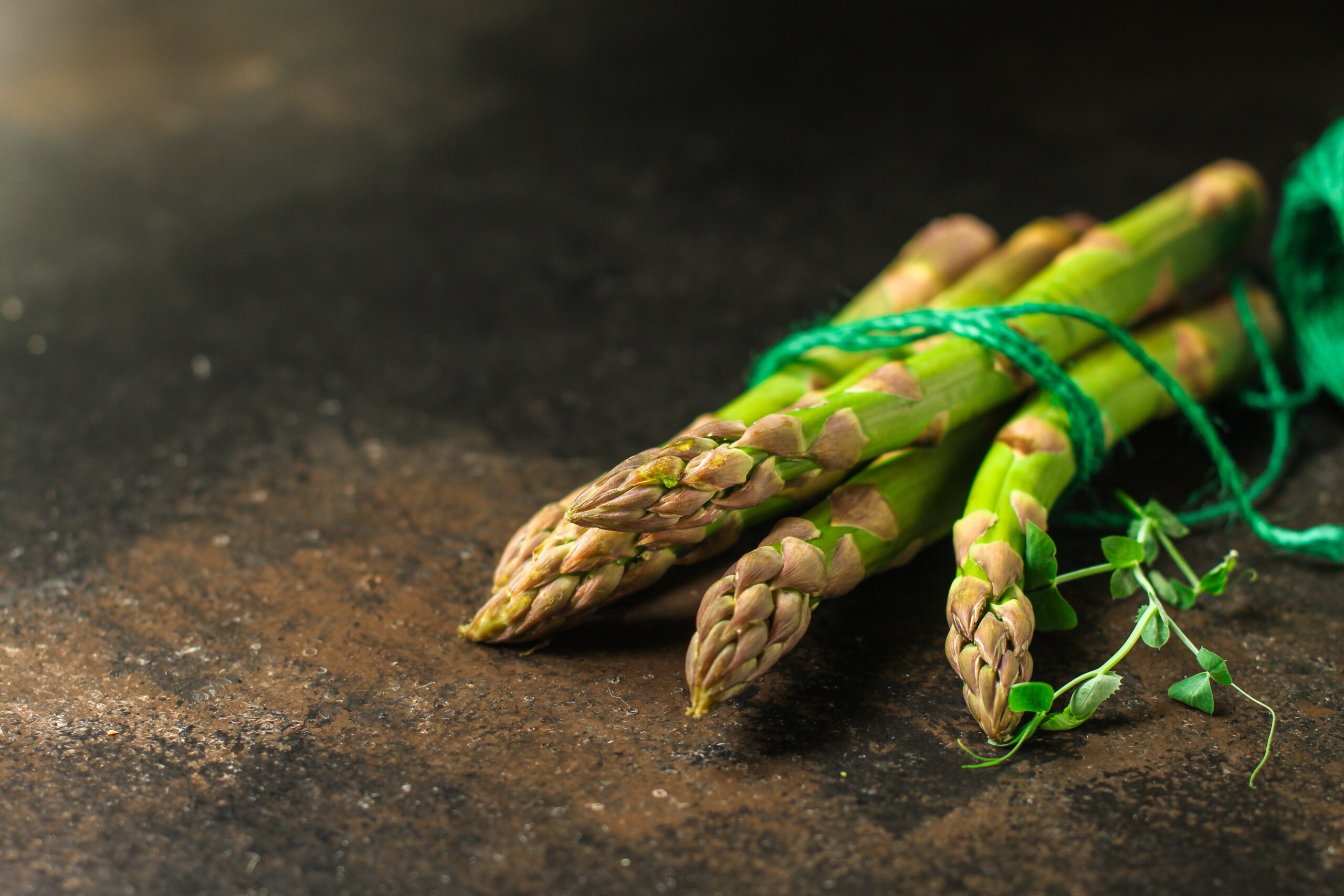
Asparagus isn’t the quickest vegetable you’ll ever grow, but it might be one of the most rewarding.
Unlike carrots, lettuce or peas, which are planted and harvested within a single season, asparagus is a perennial vegetable. Plant it once, look after the bed properly, and established plants can produce fresh asparagus spears every spring for many years.
The catch?
You need patience.
A new asparagus bed needs time to establish before you begin taking substantial harvests. But once it gets going, you’ll have one of the earliest and most valuable crops of the gardening year appearing from the soil every spring.
Here’s everything a beginner needs to know about growing asparagus successfully in the UK.
Asparagus at a Glance
| Asparagus | |
|---|---|
| Difficulty | Moderate |
| Plant crowns | March–April |
| Harvest | April–June |
| Position | Full sun |
| Soil | Fertile and very well drained |
| Spacing | Around 30–45cm |
| Row spacing | Around 90cm |
| Containers | Not ideal |
| Plant type | Perennial |
| First proper harvest | Usually after 2–3 years |
| Productive lifespan | Potentially 15–20+ years |
Why Grow Your Own Asparagus?
Freshly harvested asparagus is difficult to beat.
The spears emerge during spring when relatively few other vegetables are ready, and home-grown asparagus can be harvested immediately before cooking.
But the biggest attraction is longevity.
A productive asparagus bed can potentially keep producing for:
15–20 years or considerably longer.
That makes preparing the bed properly extremely important.
You’re not preparing the soil for one summer.
You’re creating a permanent home for the plants.
Crowns or Seeds?
Asparagus can be grown from:
- Seeds
- Crowns
For beginners, I’d usually recommend:
one-year-old asparagus crowns.
Crowns are established root systems that are planted while dormant.
They give you a considerable head start compared with growing asparagus from seed.
Seeds are cheaper and give you more choice, but add another year or so to an already long process.
If you’re eager to get your first harvest:
buy good-quality crowns.
When to Plant Asparagus
The traditional planting period in the UK is:
March to April.
Crowns are normally planted while dormant, just as conditions begin improving in spring.
Avoid planting when the ground is:
- Frozen
- Waterlogged
- Extremely wet
Good drainage is essential.
Choosing an Asparagus Variety
There are several good varieties available to UK gardeners.
Gijnlim
A popular early variety known for producing good yields.
Good for: Early cropping and beginners.
Millennium
A productive variety with good cold tolerance.
Good for: Cooler gardens.
Pacific Purple
Produces distinctive purple spears that are often sweeter and more tender than traditional green asparagus.
Good for: Something different.
Whatever you choose, buy healthy crowns from a reputable supplier.
Male and Female Asparagus Plants
You may see asparagus varieties described as:
all-male hybrids.
Male plants generally put more energy into producing spears rather than seeds.
This can result in higher yields.
Modern all-male varieties are therefore particularly popular for vegetable gardens where productivity is the priority.
Where Should You Grow Asparagus?
Think carefully before choosing the location.
Your asparagus bed could remain there for decades.
Choose somewhere with:
full sun and excellent drainage.
Avoid areas that regularly become waterlogged during winter.
Don’t put asparagus somewhere you’re likely to redesign or dig up next year.
A dedicated permanent bed is ideal.
Asparagus Needs Good Drainage
If there’s one thing asparagus really dislikes, it’s:
sitting in cold, saturated soil.
Poor drainage can cause the crowns to rot.
If you have heavy clay soil, consider:
- Creating a raised bed
- Improving drainage
- Incorporating organic matter
- Choosing another better-drained part of the garden
A raised asparagus bed can be an excellent solution.
Preparing an Asparagus Bed
Because asparagus stays in place for years, spend extra time preparing the soil.
Remove:
all perennial weeds.
This is particularly important.
Trying to remove couch grass or bindweed from between established asparagus roots later is extremely difficult.
Then incorporate plenty of:
well-rotted compost or organic matter.
Loosen compacted ground and make sure excess water can drain away.
Aim for deep, fertile soil.
How to Plant Asparagus Crowns
A traditional method is to plant crowns in a trench.
Dig a trench approximately:
20cm deep and 30cm wide.
Create a small ridge of soil along the centre.
Place each crown on top of the ridge.
Spread the roots gently down either side.
The crown should look almost like a spider sitting over the ridge.
Space crowns approximately:
30–45cm apart.
Then cover them carefully with soil.
How Deep Should Asparagus Crowns Be?
The crown itself should eventually sit around:
10–15cm below the finished soil surface.
Don’t force or bend the roots unnecessarily.
Spread them naturally and cover gently.
Water after planting if conditions are dry.
How Far Apart Should Asparagus Plants Be?
Allow approximately:
30–45cm between crowns.
Rows should be roughly:
90cm apart.
Asparagus eventually develops a substantial root system and tall fern-like foliage.
Don’t overcrowd the plants simply because the crowns look small when you first buy them.
How Much Asparagus Should You Plant?
This depends on how much you eat.
As a rough guide, consider:
5–10 plants per person
for a useful household crop.
You can start smaller if space is limited.
Remember that a healthy bed becomes increasingly productive as it matures.
The First Year
This is where beginners need discipline.
Your new crowns may produce asparagus spears.
They’ll look delicious.
But:
don’t harvest them.
Let the spears grow.
They’ll develop into tall, fern-like foliage.
This foliage captures sunlight and feeds the crown underground, allowing the root system to become stronger.
The stronger the crown becomes now, the better your future harvests should be.
The Second Year
Continue allowing the plants to establish.
Depending on how strongly they’ve grown, you may be able to take a:
very small, short harvest
from vigorous plants.
However, there’s no harm in waiting.
Patience during the establishment period pays off later.
The Third Year
By around the third season after planting, healthy asparagus plants should be sufficiently established for a more normal harvest.
You can begin cutting spears as they emerge during spring.
Even then, don’t harvest indefinitely.
The plants still need time to produce foliage and replenish their energy for the following year.
When Does Asparagus Appear?
Established asparagus normally begins producing during:
April.
Weather makes a considerable difference.
Warm spring conditions encourage rapid growth.
During cooler weather, emergence can be slower.
Once conditions become favourable, asparagus spears can grow surprisingly quickly.
When to Harvest Asparagus
The traditional UK asparagus season runs approximately from:
April until 21 June.
You don’t have to follow a particular calendar date rigidly, but the principle is important.
Stop harvesting in early summer and allow the remaining spears to grow into ferns.
These ferns feed the underground crowns for next year’s crop.
How to Harvest Asparagus
Harvest spears when they’re approximately:
15–20cm tall
and before the tips begin opening.
Use a sharp knife to cut the spear:
just below soil level
or snap suitable spears near their natural breaking point.
Be careful not to damage neighbouring shoots that haven’t yet emerged.
How Often Should You Harvest?
During peak season, check the bed:
every day or two.
Warm weather can cause asparagus to grow remarkably quickly.
A spear that looks slightly too small today might be ready tomorrow.
Regular harvesting also helps prevent spears becoming tough and fern-like.
What Happens After Harvesting?
Once you’ve finished harvesting for the season:
leave the plants alone.
Allow the remaining spears to develop into tall green ferns.
These aren’t wasted growth.
They’re essential.
The foliage produces energy that is stored in the crown underground.
That stored energy produces next year’s asparagus.
How Tall Does Asparagus Grow?
Mature asparagus foliage can reach approximately:
1.5 metres or more.
This surprises many first-time growers.
The delicate-looking foliage can also blow around in strong wind.
In exposed gardens, provide support.
Stakes and garden twine around the bed can prevent plants collapsing.
Watering Asparagus
Newly planted crowns need reliable moisture while becoming established.
Water during prolonged dry periods.
Established asparagus is relatively deep rooted, but watering during severe drought can still help.
Avoid keeping the soil permanently saturated.
Remember:
moist is good; waterlogged isn’t.
Feeding Asparagus
Asparagus remains in the same place for years, so maintaining soil fertility matters.
In spring, apply a suitable:
general-purpose fertiliser
according to the manufacturer’s instructions.
You can also mulch the bed with well-rotted compost or organic matter.
Keep heavy mulch away from emerging spears.
Mulching the Bed
Mulching can help:
- Retain moisture
- Suppress weeds
- Add organic matter
- Improve soil structure
Apply well-rotted compost or another suitable organic mulch.
Don’t bury the crown under huge amounts of material every year.
Keep the Bed Weed-Free
Weed control is particularly important with asparagus.
Asparagus roots are relatively shallow near the crown and don’t appreciate repeated disturbance.
Remove weeds:
by hand whenever possible.
Be extremely careful with hoes and forks around established plants.
You don’t want to damage the crowns.
What to Do with Asparagus Ferns in Autumn
The fern-like foliage eventually begins turning:
yellow and brown.
Don’t cut healthy green foliage down prematurely.
Wait until it has naturally died back.
Then cut the dead stems down to approximately:
a few centimetres above ground level.
Remove the old foliage from the bed.
Winter Care
Asparagus crowns are hardy and remain dormant underground during winter.
They don’t generally require elaborate frost protection.
Your main winter priorities are:
- Good drainage
- Removing dead foliage
- Keeping the bed reasonably weed-free
Then wait for new spears to appear in spring.
Growing Asparagus in Raised Beds
Raised beds can be excellent for asparagus, particularly if your natural soil drains poorly.
However, remember that asparagus is permanent.
Choose a:
deep, substantial raised bed
that you’re happy to dedicate to the crop for many years.
Don’t use a small temporary planter you expect to move next season.
Can You Grow Asparagus in Containers?
Technically, yes.
Would I recommend it?
Not usually.
Asparagus develops a large root system and remains in place for many years.
Containers restrict the roots and require more careful watering and feeding.
If you have room for a raised bed, that’s a much better long-term solution.
If containers are your only option, choose the largest and deepest planter you can reasonably accommodate.
Growing Asparagus from Seed
Growing from seed is cheaper but requires more patience.
Sow seeds during spring.
Grow the seedlings on before moving them to their permanent position.
The main disadvantage is time.
Seed-grown asparagus generally takes longer before you can begin harvesting properly.
For most beginners, crowns provide the easier route.
Asparagus Beetle
One pest to watch for is the:
asparagus beetle.
Both adults and larvae can damage the foliage.
Regularly inspect plants during spring and summer.
Look for:
- Beetles
- Eggs
- Larvae
- Damaged foliage
Small infestations can often be removed by hand.
Keeping the bed clean and removing dead foliage at the end of the season also helps.
Slugs and Snails
Slugs and snails may damage young emerging spears.
Check the bed regularly during damp spring weather.
Keep the area around the crowns tidy and remove obvious hiding places.
Why Are My Asparagus Spears Thin?
Don’t worry if young plants initially produce thin spears.
Common causes include:
Young plants
The crown isn’t mature yet.
Over-harvesting
The plant hasn’t had enough foliage to replenish its energy.
Poor soil
Established plants need adequate nutrients.
Competition from weeds
Keep the bed clear.
Crowns becoming old or weak
Very old beds can eventually decline.
The best solution for young plants is usually:
patience.
Why Has My Asparagus Turned Into Ferns?
Because that’s exactly what it’s supposed to do.
If you don’t harvest a spear, it develops into foliage.
This is essential to the plant’s lifecycle.
Allow healthy ferns to grow after harvesting finishes.
Why Isn’t My Asparagus Producing Spears?
Possible causes include:
- Newly planted crowns
- Poor drainage
- Damaged crowns
- Excessive harvesting the previous year
- Heavy weed competition
- Poor soil fertility
If the bed is new, give it time.
Asparagus isn’t an instant crop.
Male vs Female Asparagus
Female asparagus plants may produce small red berries later in the season.
Don’t eat these berries.
Modern all-male varieties avoid seed production and often produce better yields.
If berries appear, remove seedlings that establish around the bed unless you specifically want them.
Can Asparagus Grow in Scotland?
Yes.
Asparagus can be grown successfully in Scotland.
The main considerations are:
sun, shelter and drainage.
In cooler areas, the harvesting season may begin later than it does further south.
Choose a sunny location and avoid cold, waterlogged ground.
Raised beds can be particularly useful where drainage is poor.
Can You Move an Established Asparagus Plant?
It’s possible, but not ideal.
Mature asparagus develops a large root system and doesn’t appreciate being disturbed.
This is why choosing the right location before planting is so important.
Treat the asparagus bed as:
a permanent feature of your garden.
Companion Planting Around Asparagus
Be cautious about filling the asparagus bed with other crops.
You don’t want plants that:
- Compete heavily for nutrients
- Disturb the roots
- Make weeding difficult
The simplest approach is to keep the asparagus bed primarily dedicated to asparagus.
Asparagus Month by Month
| Month | What to Do |
|---|---|
| January | Bed dormant; check drainage |
| February | Prepare new beds |
| March | Plant crowns when conditions allow |
| April | Plant crowns and harvest established beds |
| May | Main harvesting period |
| June | Finish harvesting and allow ferns to develop |
| July | Water during drought and keep weed-free |
| August | Allow foliage to grow |
| September | Continue caring for foliage |
| October | Foliage begins yellowing |
| November | Cut down dead foliage |
| December | Plants dormant |
A Simple Asparagus Plan for Beginners
If you’re starting your first bed, keep it simple.
Year One
Prepare the bed properly, plant crowns in spring and don’t harvest.
Year Two
Keep the bed weed-free and allow plants to strengthen. Take only a very limited harvest if the plants are vigorous.
Year Three
Begin a proper spring harvest, but stop in early summer and allow the ferns to grow.
Year Four onwards
Enjoy your established asparagus crop every spring while maintaining the bed for future harvests.
What You’ll Need
You don’t need much specialist equipment.
I’d recommend:
Asparagus crowns
Garden fork
Spade
Hand trowel
Well-rotted compost
General-purpose fertiliser
For exposed gardens:
Plant supports or stakes
If your natural soil drains poorly:
A deep raised bed
can be one of the best investments you make for your asparagus.
Essential Equipment Every Gardener Needs
Asparagus FAQs
Is asparagus easy to grow?
Yes, once established. The biggest challenges are preparing the bed properly and being patient before harvesting.
When should I plant asparagus in the UK?
Asparagus crowns are generally planted during March and April.
How long does asparagus take to grow?
Crowns need time to establish. Expect to wait around 2–3 years before taking a substantial harvest.
How long will asparagus plants live?
A healthy asparagus bed can remain productive for 15–20 years or potentially much longer.
Does asparagus come back every year?
Yes. Asparagus is a perennial. The foliage dies back during winter and new spears emerge the following spring.
Does asparagus need full sun?
A sunny position generally gives the best results.
Can asparagus survive frost?
Established crowns are hardy and spend winter dormant underground.
Can asparagus grow in pots?
It can, but it’s not ideal because asparagus develops a substantial root system and remains in place for many years.
How deep do you plant asparagus crowns?
Crowns are traditionally planted in trenches so they eventually sit approximately 10–15cm below the finished soil level.
How far apart should asparagus be planted?
Allow approximately 30–45cm between crowns.
When can I harvest asparagus?
Established beds are normally harvested during April, May and into June.
Why do you stop harvesting asparagus in June?
The remaining spears need to develop into foliage so the plant can replenish its energy reserves for the following year’s crop.
Can I grow asparagus in Scotland?
Yes. Choose a sunny, well-drained location. Raised beds can be useful in gardens with heavy or wet soil.
Final Thoughts
Asparagus requires something that isn’t always easy for gardeners:
patience.
You plant the crowns.
You see the first delicious-looking spears emerge.
And then you leave them alone.
But that’s precisely what makes growing asparagus different.
You’re not planting for this year’s dinner.
You’re establishing a crop that could still be producing food 15 or 20 years from now.
Choose the location carefully.
Prepare the soil properly.
Make drainage a priority.
Keep weeds under control.
And most importantly, don’t over-harvest young plants.
Give the crowns time to build strong root systems and the reward is one of the first home-grown vegetables to emerge every spring.
Once an established asparagus bed starts sending up fresh spears in April, the years you spent waiting suddenly seem like a very good investment.
Continue Your Grow Your Own Journey
A Beginner’s Guide to Growing Artichokes
A Beginner’s Guide to Growing Beetroot
A Beginner’s Guide to Growing Broccoli
A Beginner’s Guide to Growing French Beans
A Beginner’s Guide to Growing Peas