Gardeners Guide · Grow your own
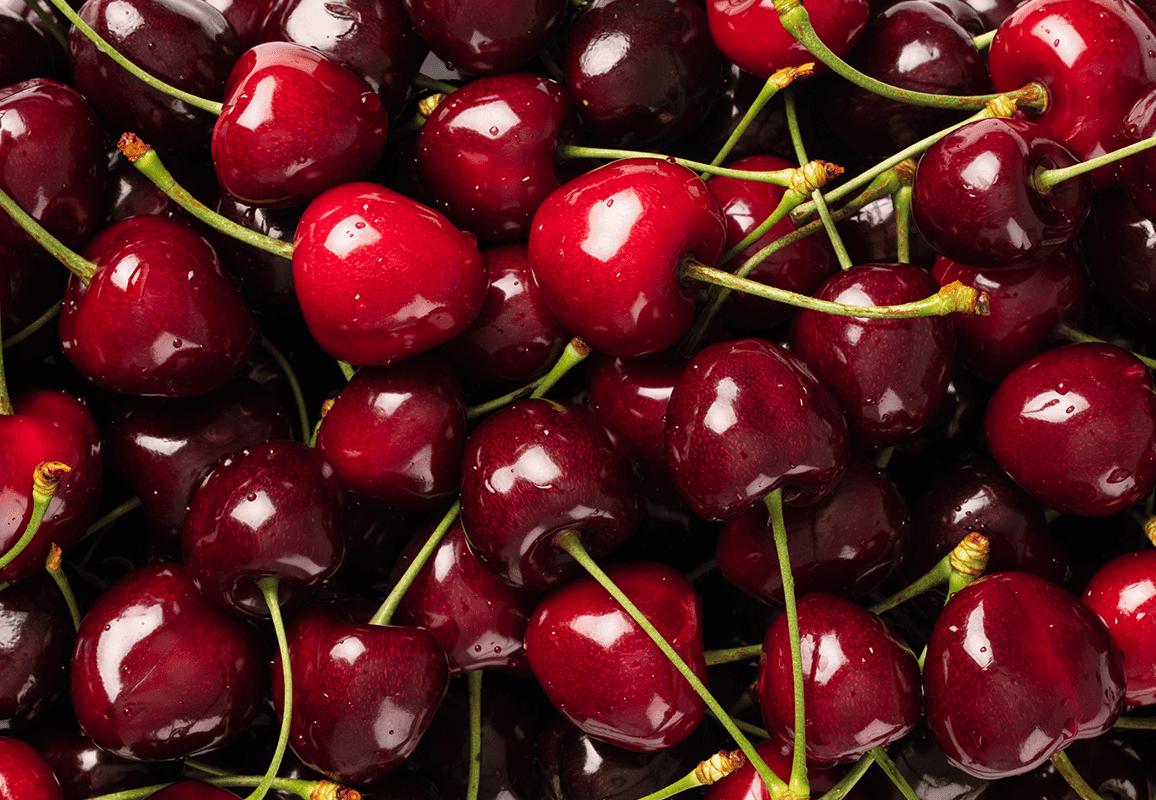
Cherries are one of the most rewarding fruits you can grow in a UK garden.
A healthy cherry tree can produce beautiful spring blossom followed by sweet, juicy fruit in summer, making it both productive and ornamental.
The main challenge is that cherries can be a little more demanding than apples or blackberries.
They flower early, which means late frost can damage blossom, and ripe fruit is extremely attractive to birds.
But if you choose the right variety, rootstock and growing position, cherries can be surprisingly manageable.
You also don’t necessarily need a huge garden.
Modern cherry trees are available on dwarfing rootstocks, making it possible to grow them in smaller gardens, against walls and even in large containers.
In this beginner’s guide, we’ll cover how to grow cherry trees in the UK, choosing varieties and rootstocks, pollination, planting, pruning, watering, feeding, common problems and harvesting your fruit.
Cherries at a Glance
| Cherries | |
|---|---|
| Plant bare-root trees | November–March |
| Plant container-grown trees | Most of the year |
| Flowering | March–April |
| Harvest | June–August |
| Position | Full sun and sheltered |
| Difficulty | Easy–moderate |
| Soil | Fertile, moisture-retentive and well drained |
| Containers | Yes, with dwarfing rootstock |
| Watering | Important while establishing and fruiting |
| Feeding | Usually annually |
| Main pruning | Spring–summer |
| Time to first crop | Often around 2–4 years |
| Lifespan | Potentially decades |
Why Grow Your Own Cherries?
Fresh cherries picked directly from the tree are difficult to beat.
Unlike supermarket fruit, you can allow home-grown cherries to ripen fully before picking.
That usually means better:
- Sweetness
- Flavour
- Juiciness
- Aroma
Cherry trees also provide beautiful spring blossom and can become a major feature in the garden.
Depending on the variety, cherries can be used for:
- Fresh eating
- Baking
- Pies
- Jam
- Compotes
- Sauces
- Preserves
Some cherries are sweet enough to eat straight from the tree.
Others are sharper and better suited to cooking.
Sweet Cherries vs Sour Cherries
There are two main types to understand.
Sweet Cherries
Sweet cherries are the ones most people think of when buying cherries for fresh eating.
They’re generally:
- Larger
- Sweeter
- Best eaten fresh
They prefer warm, sunny positions and can be slightly more demanding.
Sour Cherries
Sour cherries, also known as acid cherries, are sharper in flavour.
They’re excellent for:
- Cooking
- Jam
- Pies
- Sauces
They also tolerate some shade better than sweet cherries.
Morello is probably the best-known example.
Choosing a Cherry Tree
Before buying a tree, think about three things:
Variety
Rootstock
Pollination
The variety determines fruit quality and harvest time.
The rootstock influences the eventual size of the tree.
Pollination determines whether you need another compatible cherry nearby.
Understanding Cherry Rootstocks
Most cherry trees are grafted onto a different root system called a:
rootstock.
The rootstock controls much of the tree’s vigour and eventual size.
Common cherry rootstocks include:
- Gisela 5
- Colt
- F12/1
For most home gardeners, Gisela 5 and Colt are the most relevant.
Gisela 5 Rootstock
Gisela 5 is a dwarfing rootstock.
Trees can often be kept around:
2.5–3m
depending on conditions and pruning.
It encourages earlier fruiting and is well suited to smaller gardens.
Good for: Small gardens and container growing.
It may require permanent support.
Colt Rootstock
Colt produces a larger tree.
Trees may reach around:
3.5–5m
depending on conditions.
It’s a popular choice for medium-sized gardens.
Good for: Larger gardens where more space is available.
F12/1 Rootstock
F12/1 is much more vigorous.
It’s more suitable for:
- Large gardens
- Orchards
- Traditional trees
It can become far too large for a small modern garden.
Which Cherry Rootstock Should a Beginner Choose?
For most small gardens, I’d look for:
Gisela 5.
It keeps the tree more manageable and makes harvesting and netting easier.
If you have more space, Colt can be a good choice.
Always check the expected mature size before buying.
Where Should You Grow a Cherry Tree?
Sweet cherries prefer:
full sun and shelter.
A warm, sunny position helps fruit ripen and develop sweetness.
Shelter is important because cherry blossom appears relatively early.
Cold winds and late frost can reduce fruit set.
A south- or west-facing position is often ideal.
What Soil Do Cherries Need?
Cherry trees prefer soil that is:
- Fertile
- Moisture-retentive
- Well drained
- Rich in organic matter
They dislike permanently waterlogged ground.
Heavy clay can work if drainage is adequate.
Very sandy soil may need more organic matter and regular watering.
When to Plant Cherry Trees in the UK
Bare-root cherry trees are usually planted between:
November and March
while dormant.
Container-grown trees can be planted through much of the year.
Autumn and early spring are generally the easiest times because the soil is moist and the tree isn’t under summer heat stress.
Avoid planting when the soil is frozen or waterlogged.
How to Plant a Cherry Tree
Dig a hole wider than the root system.
Loosen the surrounding soil.
Place the tree into the hole.
Keep the graft union:
above soil level.
Spread bare roots naturally.
Backfill with soil.
Firm gently.
Water thoroughly.
Stake the tree if necessary.
Why the Graft Union Must Stay Above the Soil
The graft union is the swollen area where the fruiting variety joins the rootstock.
Do not bury it.
If the upper variety starts producing its own roots, you can lose the size-controlling effect of the rootstock.
This is particularly important with dwarf trees.
Should You Stake a Cherry Tree?
Young cherry trees often benefit from support.
Dwarfing trees on Gisela 5 may require:
permanent staking.
Use a sturdy stake and soft tree tie.
Check the tie every year.
Never allow it to become tight enough to cut into the bark.
Cherry Tree Pollination
Pollination requirements vary significantly between cherry varieties.
Some are:
self-fertile.
Others need pollen from another compatible variety flowering at the same time.
For a small garden, choosing a self-fertile variety is usually simplest.
Do You Need Two Cherry Trees?
Not always.
Several excellent sweet cherries are self-fertile.
If your chosen variety is not self-fertile, you’ll need another compatible tree nearby.
That tree doesn’t necessarily have to be in your garden if a suitable cherry grows nearby.
Self-Fertile Cherry Varieties
Popular self-fertile choices include:
- Stella
- Lapins
- Sunburst
- Sweetheart
These are particularly useful for small gardens where there’s only room for one tree.
Cherry Pollination Groups
Cherry varieties flower at slightly different times.
For cross-pollination, two varieties need overlapping flowering periods.
Nurseries may list cherries in pollination groups.
Always check specific compatibility when buying.
Don’t assume two different cherry trees will automatically pollinate one another.
Cherry Blossom and Late Frost
Cherry trees flower early.
That makes blossom vulnerable to frost.
A severe frost during flowering can damage:
- Flowers
- Developing fruitlets
- The year’s crop
This is one reason harvest size can vary dramatically from year to year.
Protecting Cherry Blossom from Frost
Small trees can be protected with:
horticultural fleece
when a late frost is forecast.
Avoid pressing heavy material directly onto the flowers.
Wall-trained trees are easier to protect than large free-standing trees.
A sheltered position also helps reduce risk.
Growing Cherries Against a Wall
Cherry trees can be trained against walls or fences.
A common training shape is a:
fan.
This helps:
- Save space
- Improve ripening
- Create a warmer microclimate
- Make frost protection easier
- Make bird protection easier
A sunny south- or west-facing wall is ideal for sweet cherries.
Growing Sour Cherries Against a Wall
Sour cherries tolerate lower light levels better than sweet types.
A Morello cherry can often be grown successfully against:
north- or east-facing walls.
That makes sour cherries especially useful for awkward garden positions.
Growing Cherries in Containers
Yes, dwarf cherry trees can be grown in pots.
Choose a tree on a dwarfing rootstock such as:
Gisela 5.
Use a large container, ideally at least:
45–50cm wide
and preferably larger.
Use a soil-based compost suitable for permanent planting.
Make sure drainage is excellent.
Watering Container Cherry Trees
Container cherries need careful watering.
During warm weather, they may need water:
daily.
Don’t allow the compost to dry out completely while fruit is developing.
At the same time, avoid leaving the pot permanently waterlogged.
Consistent moisture is the goal.
How Often Should You Water Cherry Trees?
Newly planted cherries need regular watering during their first few growing seasons.
Established trees are more drought-tolerant but still benefit from watering during prolonged dry spells.
Water is particularly important during:
- Flowering
- Fruit swelling
- Hot weather
Deep watering is better than frequent light sprinkling.
Mulching Cherry Trees
Apply a layer of organic mulch in spring.
Good options include:
- Well-rotted compost
- Well-rotted manure
- Other suitable organic mulch
Mulching helps:
- Retain moisture
- Reduce weed competition
- Improve soil
Keep mulch away from direct contact with the trunk.
Feeding Cherry Trees
Apply a suitable fruit-tree fertiliser in spring according to the manufacturer’s instructions.
Container-grown trees need more regular feeding because nutrients wash out of pots over time.
Avoid excessive nitrogen.
Too much can produce vigorous leafy growth and reduce fruiting.
When Do Cherry Trees Start Fruiting?
A grafted cherry tree may begin producing fruit within:
two to four years
depending on:
- Rootstock
- Variety
- Tree age
- Growing conditions
Dwarfing trees often fruit sooner than very vigorous trees.
Don’t worry if the first crop is small.
Production usually increases as the tree matures.
Should You Remove Fruit from a Young Cherry Tree?
If a newly planted tree produces a heavy crop immediately, it can be sensible to remove some fruit.
The tree needs energy to establish:
- Roots
- Branches
- Leaves
A modest first crop is fine.
Just don’t let a very young tree become overloaded.
When Should You Prune Cherry Trees?
This is extremely important.
Like plums, cherry trees should generally be pruned during:
spring or summer.
Avoid routine winter pruning.
This helps reduce the risk of diseases such as:
silver leaf and bacterial canker.
Why You Shouldn’t Prune Cherries in Winter
Cherry trees are more vulnerable to infection through pruning wounds during cold, damp winter conditions.
Pruning during active growth allows wounds to heal more quickly.
For most garden cherries:
spring and summer are the safer pruning periods.
How to Prune a Cherry Tree
Start with the basics.
Remove:
Dead
Diseased
Damaged
wood.
Then look for:
- Crossing branches
- Rubbing branches
- Congested growth
- Branches growing awkwardly inward
Aim for a reasonably open structure.
Avoid severe pruning unless absolutely necessary.
Pruning Young Cherry Trees
Young trees benefit from light formative pruning.
The aim is to create a balanced framework.
You want:
- Well-spaced main branches
- Good airflow
- Easy harvesting access
Don’t remove large amounts of growth unnecessarily.
Pruning Established Cherry Trees
Mature cherry trees generally need relatively light pruning.
Concentrate on:
- Removing damaged wood
- Controlling excessive height
- Reducing congestion
- Maintaining shape
Heavy pruning can create vigorous regrowth and increase disease risk.
Pruning Fan-Trained Cherries
Fan-trained cherries need more regular attention.
Tie young shoots into the framework during the growing season.
Remove shoots growing:
- Directly towards the wall
- Away from the desired fan
- Into crowded areas
Maintain the basic fan shape while allowing enough fruiting wood to develop.
Birds and Cherry Trees
Birds are probably the biggest practical challenge when growing cherries.
Blackbirds, starlings and other birds can strip a tree astonishingly quickly once fruit begins ripening.
You can watch the cherries for weeks.
Then decide you’ll pick them tomorrow.
By tomorrow morning, the birds may have made the decision for you.
How to Protect Cherries from Birds
For small trees, fruit netting is one of the most effective options.
Use netting that is:
- Properly tensioned
- Secured around the edges
- Checked regularly
- Designed to minimise wildlife entanglement
A fruit cage can be even better.
Dwarf trees are much easier to protect than large trees.
That’s another good reason to choose a manageable rootstock.
Cherry Fruit Cracking
Cherries can split after heavy rain.
This often happens when ripe or nearly ripe fruit suddenly absorbs large amounts of water.
The skin can’t expand quickly enough and cracks.
This is particularly frustrating because it often happens just before harvest.
How to Reduce Cherry Cracking
You can’t control the weather, but you can reduce stress by:
- Maintaining consistent watering during dry periods
- Harvesting ripe fruit promptly
- Growing under protection where practical
Some gardeners grow small cherry trees beneath temporary rain covers during ripening.
Brown Rot
Brown rot can affect cherry fruit.
Symptoms include:
- Brown rotting patches
- Soft fruit
- Pale fungal spots
- Mummified fruit remaining on the tree
Remove affected fruit promptly.
Don’t leave old mummified cherries hanging on branches.
Good airflow also helps.
Bacterial Canker
Bacterial canker can cause:
- Dead branches
- Sunken bark
- Gum production
- Dieback
It can be a serious problem on cherries.
Avoid unnecessary pruning in winter and remove affected wood during appropriate dry weather.
Keep pruning tools clean.
Silver Leaf
Silver leaf can affect stone fruits including cherries.
The foliage may develop a:
silvery appearance.
Branches can eventually die back.
The risk is one reason cherries are generally pruned in spring or summer rather than winter.
Black Cherry Aphid
Black cherry aphids can gather on young shoots.
Symptoms can include:
- Curled leaves
- Distorted growth
- Sticky honeydew
Natural predators such as ladybirds and hoverfly larvae can provide useful control.
Small infestations may not require intervention.
Why Are My Cherry Leaves Curling?
Aphids are a common cause.
Check inside curled leaves.
Other possible causes include:
- Drought
- Pest damage
- Disease
- Environmental stress
Inspect the tree carefully before deciding on treatment.
Why Is My Cherry Tree Not Fruiting?
Possible causes include:
The tree is too young
Give it time.
Poor pollination
It may need another compatible variety.
Frost damaged the blossom
A common problem.
Birds took the crop
Sometimes the fruit disappeared before you noticed it.
Excessive pruning
Heavy pruning can encourage leafy growth.
Lack of sunlight
Shade can reduce flowering and ripening.
Why Are Cherries Falling Off the Tree?
Some early fruit drop is natural.
Other causes include:
- Poor pollination
- Drought
- Pest damage
- Disease
- Strong wind
- Tree stress
If only some fruit drops and the tree remains healthy, there may be nothing serious wrong.
Best Cherry Varieties for Beginners
There are several excellent choices.
Stella
One of the most popular garden cherries.
It’s self-fertile and produces sweet dark-red fruit.
Good for: Beginners and single-tree gardens.
Lapins
Another self-fertile sweet cherry.
Produces large dark fruit and crops reliably.
Good for: Dessert cherries.
Sunburst
A self-fertile variety producing large, juicy cherries.
Good for: Sweet fruit and small gardens.
Sweetheart
A self-fertile late-season cherry.
Produces dark-red fruit and extends the harvest season.
Good for: Later cropping.
Morello
A classic sour cherry.
It’s self-fertile and well suited to cooking.
It also tolerates shade better than sweet varieties.
Good for: Cooking and less sunny walls.
Best Cherry Trees for Small Gardens
For most small gardens, I’d choose:
a self-fertile variety on Gisela 5 rootstock.
Good combinations include:
- Stella on Gisela 5
- Lapins on Gisela 5
- Sunburst on Gisela 5
This keeps the tree more manageable and removes the need for a separate pollination partner.
Can Cherries Grow in Scotland?
Yes.
Cherry trees can grow successfully in Scotland, particularly in sheltered gardens.
The main challenges are:
- Early blossom
- Late frost
- Cool summers
- Strong winds
- Rain causing fruit splitting
Choose:
- Hardy varieties
- Self-fertile varieties
- A sunny, sheltered position
A south- or west-facing wall can provide a useful warmer microclimate.
Can Cherry Trees Grow in Partial Shade?
Sweet cherries perform best in:
full sun.
Sour cherries tolerate partial shade better.
If you only have a shaded wall, a Morello cherry may be a much better choice than a sweet dessert variety.
When Are Cherries Ready to Pick?
UK cherries generally ripen between:
June and August.
Exact timing depends on:
- Variety
- Weather
- Location
A ripe cherry should have:
- Developed its mature colour
- Good sweetness
- Juicy flesh
- Relatively easy separation from the tree
Taste-testing is one of the best indicators.
How to Pick Cherries
Pick cherries gently.
Try to leave the stalk attached if you’re storing them.
Hold the stalk and fruit rather than pulling hard on the branch.
Place fruit into a shallow container to avoid crushing the lower layers.
Ripe cherries bruise easily.
Should You Pick Cherries with the Stalk Attached?
Yes, if you want them to store for longer.
Leaving the stalk attached helps reduce moisture loss and damage.
If you’re using the fruit immediately, it matters less.
Do All Cherries Ripen at Once?
Not necessarily.
Fruit may ripen over:
several days or weeks.
Check the tree frequently once the first cherries are ready.
This is particularly important because birds will be checking too.
How to Store Fresh Cherries
Fresh cherries are best eaten soon after harvesting.
Store them:
unwashed in the refrigerator
and wash just before use.
Moisture encourages mould.
Handle them gently.
Can You Freeze Cherries?
Yes.
Cherries freeze very well.
A simple method is:
- Wash the fruit.
- Remove the stalks.
- Remove the stones if desired.
- Dry thoroughly.
- Spread on a tray.
- Freeze individually.
- Transfer to freezer containers.
Frozen cherries are excellent for:
- Pies
- Smoothies
- Sauces
- Baking
- Compotes
Can You Grow a Cherry Tree from a Stone?
Yes.
But the resulting tree won’t reliably produce the same variety.
It may also grow much larger than a grafted tree.
If you want predictable:
- Fruit
- Tree size
- Harvest time
buy a grafted named variety.
Growing from a stone is better treated as an experiment.
Can You Save Cherry Stones for Growing?
Yes, but cherry seeds generally need a period of cold treatment before germination.
This process is called:
stratification.
Even after successful germination, you’ll have a genetically unique tree rather than a copy of the parent variety.
It can also take several years before you know what the fruit is like.
What Can You Grow Under a Cherry Tree?
Under an established cherry you can potentially grow:
- Spring bulbs
- Herbs
- Strawberries
- Low-growing flowers
Pollinator-friendly plants are particularly useful.
Keep the area immediately around young trees relatively clear while they establish.
Grass competes strongly for water and nutrients.
Growing Flowers Around Cherry Trees
Spring-flowering plants can help attract pollinators while the cherry tree is in bloom.
Suitable choices include:
- Primroses
- Pulmonaria
- Forget-me-nots
- Early flowering herbs
- Spring bulbs
A garden containing a variety of flowering plants is much more attractive to bees than one relying on a single fruit tree.
Growing Cherries Month by Month
| Month | What to do |
|---|---|
| January | Plant bare-root trees; avoid pruning |
| February | Continue planting and inspect supports |
| March | Watch for early blossom and frost |
| April | Protect blossom where necessary and monitor pollination |
| May | Water young trees and monitor developing fruit |
| June | Protect ripening fruit from birds and harvest early varieties |
| July | Main harvesting period and suitable summer pruning |
| August | Harvest later varieties and finish pruning |
| September | Feed or mulch if required after dry weather |
| October | Clear fallen fruit and inspect tree health |
| November | Begin bare-root planting |
| December | Plant during suitable dormant weather |
What You’ll Need to Grow Cherries
Cherry trees don’t require a huge amount of specialist equipment.
I’d recommend:
A suitable grafted cherry tree
Tree stake and ties
Spade
Well-rotted compost
Organic mulch
Watering can or garden hose
Fruit-tree fertiliser
Bypass secateurs
Pruning saw for mature trees
Horticultural fleece for frost protection
Fruit netting or a fruit cage
The most important decision is still the tree itself.
For most beginners with a small garden, a:
self-fertile cherry on Gisela 5 rootstock
is one of the easiest combinations to manage.
[See Our Recommended Fruit Netting →]
[See Our Recommended Secateurs →]
[See Our Recommended Tree Stakes & Ties →]
[See Our Recommended Fruit Tree Fertilisers →]
[Essential Equipment Every Gardener Needs →]
Cherry Growing FAQs
Are cherry trees easy to grow?
Yes, provided you choose the right variety and rootstock and protect the crop from birds.
When should I plant a cherry tree in the UK?
Bare-root trees are usually planted between November and March. Container-grown trees can be planted throughout much of the year.
Do I need two cherry trees?
Not if you choose a self-fertile variety such as Stella, Lapins, Sunburst or Sweetheart.
What is the best cherry tree for a small garden?
A self-fertile variety on Gisela 5 rootstock is a very good option.
Can cherry trees grow in pots?
Yes. Choose a dwarfing rootstock and use a large container.
Do cherry trees need full sun?
Sweet cherries prefer full sun. Sour cherries can tolerate more shade.
When should cherry trees be pruned?
Cherry trees are generally pruned during spring or summer, not winter.
Why shouldn’t cherry trees be pruned in winter?
Winter pruning increases the risk of diseases such as silver leaf and bacterial canker entering through pruning wounds.
Why is my cherry tree flowering but not fruiting?
Possible reasons include poor pollination, frost-damaged blossom, incompatible varieties or the tree being too young.
How do I stop birds eating cherries?
Use properly installed fruit netting or a fruit cage, particularly as the fruit begins colouring.
Why are my cherries splitting?
Heavy rain after dry conditions can cause developing fruit to absorb water rapidly and split.
When are cherries ready to harvest?
Most UK cherries ripen from June through August, depending on variety and location.
Can cherry trees grow in Scotland?
Yes. Choose a sunny, sheltered position and consider self-fertile varieties on manageable rootstocks.
Can you grow a cherry tree from a stone?
Yes, but the new tree won’t reliably produce the same fruit and may grow much larger than a grafted tree.
Final Thoughts
Cherry trees offer something few other productive plants can match.
In spring, they can cover themselves in blossom.
A few months later, those flowers can become some of the sweetest fruit you’ll grow in the garden.
For a beginner, the easiest route is usually:
a self-fertile sweet cherry on a dwarfing rootstock.
A variety such as Stella, Lapins or Sunburst on Gisela 5 can work extremely well in a small garden.
Plant it somewhere sunny and sheltered.
Keep it watered while it establishes.
Prune it during the correct season.
And once the cherries begin changing colour, get your bird protection in place before you think you need it.
Because there is one thing you can be certain of when growing cherries:
you are not the only creature waiting for them to ripen.
Get the basics right, though, and a cherry tree can reward you for many years.
And there are few better moments in a fruit garden than picking a fully ripe cherry from the tree and eating it immediately.