Gardeners Guide · Grow your own
Lettuce is one of the easiest, quickest and most useful crops you can grow at home.
It doesn’t need much space, grows well in beds, raised beds and containers, and many varieties can be harvested within just a few weeks of sowing.
That makes lettuce ideal for beginners.
It’s also a brilliant crop for anyone who wants a regular supply of fresh produce rather than waiting months for one big harvest.
One of the biggest advantages is that you can sow lettuce little and often throughout much of the year. Instead of planting everything at once, you can make small sowings every few weeks and enjoy a steady supply of fresh leaves.
In this beginner’s guide, we’ll cover when to sow lettuce in the UK, how to grow it in beds and containers, watering, feeding, harvesting, avoiding bolting and the common pests and problems to watch for.
Lettuce at a Glance
| Lettuce | |
|---|---|
| Sow | February–September, depending on variety |
| Plant outside | Spring–autumn |
| Harvest | Spring–autumn, with winter varieties possible |
| Position | Full sun or partial shade |
| Difficulty | Easy |
| Spacing | Around 20–30cm for headed varieties |
| Containers | Excellent |
| Soil | Fertile, moisture-retentive and well drained |
| Watering | Regular and consistent |
| Time to harvest | Around 4–12 weeks, depending on type |
Why Grow Lettuce?
Lettuce is one of the best crops for anyone who is new to growing vegetables.
It’s:
- Quick to grow
- Easy to sow
- Suitable for small spaces
- Excellent in containers
- Productive over a long season
- Available in many different varieties
- Useful for repeated sowing
You also have far more choice than the standard supermarket iceberg.
Home growers can choose from:
- Loose-leaf lettuce
- Butterhead lettuce
- Cos lettuce
- Little Gem types
- Oakleaf lettuce
- Red lettuce
- Crisphead varieties
- Cut-and-come-again mixes
That variety is one of the main reasons lettuce is worth growing yourself.
Different Types of Lettuce
Before buying seed, it’s useful to understand the main types.
Loose-Leaf Lettuce
Loose-leaf varieties don’t form a tight head.
Instead, you harvest individual leaves as they grow.
They’re fast, easy and ideal for beginners.
Good for: Containers and cut-and-come-again harvesting.
Butterhead Lettuce
Butterhead lettuce forms soft, relatively loose heads.
The leaves are tender and mild.
These varieties are excellent for traditional salads.
Good for: Spring and early summer growing.
Cos Lettuce
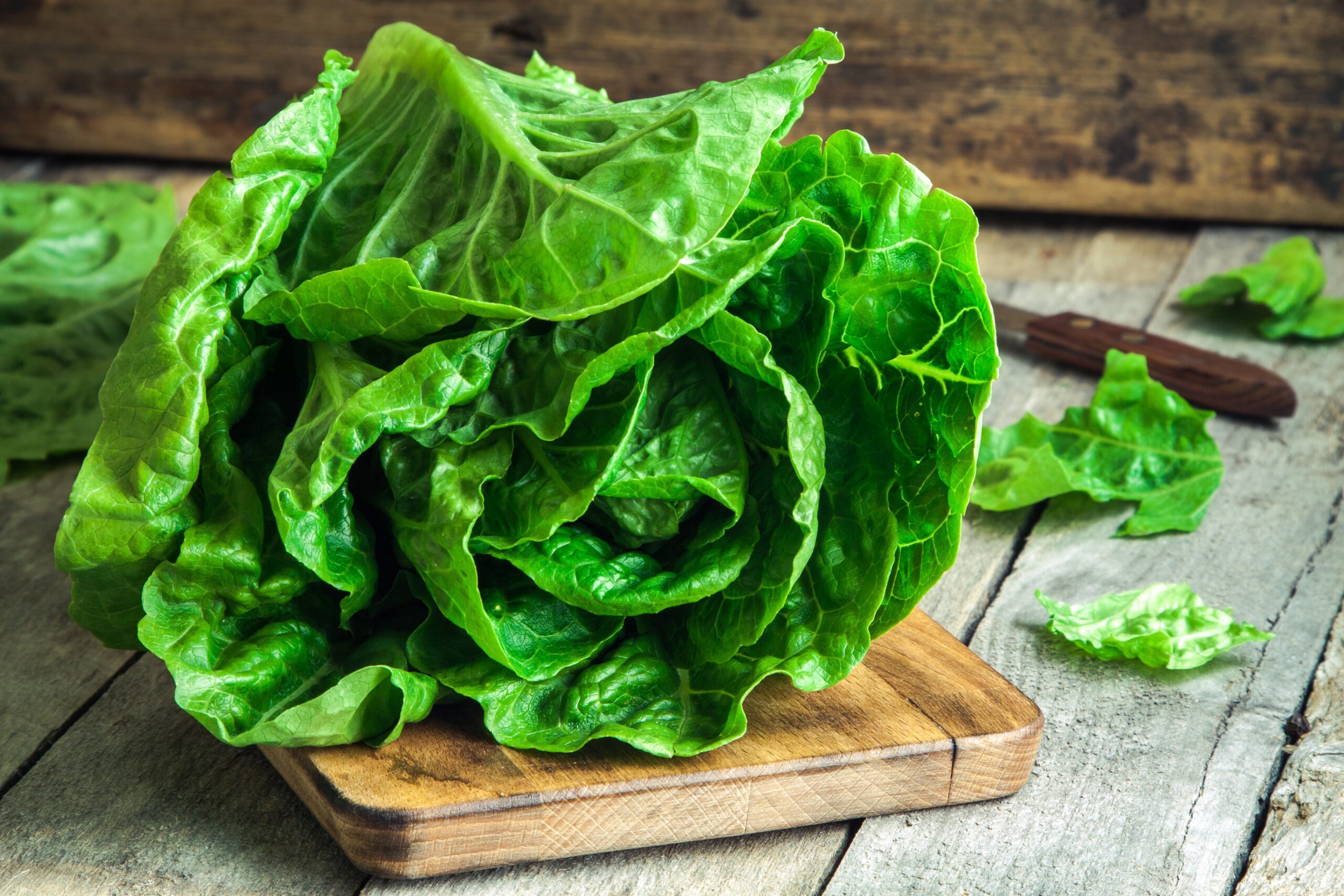
Cos, or romaine, lettuce produces upright heads with crisp leaves.
It tends to have a firmer texture than butterhead types.
Good for: Salads and Caesar-style dishes.
Crisphead Lettuce
Crisphead types produce firmer heads.
Iceberg is the best-known example.
They often take longer to mature than loose-leaf lettuce.
Good for: Crunchy salads.
When to Sow Lettuce in the UK
Lettuce can be sown through a long part of the year.
A useful general sowing period is:
February through September
depending on variety and whether you’re growing under protection.
February–March
Early sowings can be made under cover.
March–June
Main outdoor sowing period.
July–August
Continue sowing, ideally choosing varieties that tolerate warmer weather.
August–September
Sow suitable autumn or winter varieties.
The exact timing depends on the lettuce you’re growing.
Always check the seed packet.
The Best Way to Grow Lettuce: Sow Little and Often
This is probably the most useful tip in the whole guide.
Don’t sow an entire packet at once.
Lettuce grows quickly, and if you sow too much at the same time, you can end up with far more than you can eat.
Instead, make small sowings every:
2–3 weeks.
That gives you a steady supply.
For example:
Sowing 1: March
Sowing 2: Late March
Sowing 3: April
Sowing 4: Late April
and so on.
This approach is known as successional sowing.
How to Sow Lettuce Seeds
Lettuce seeds are very small.
They don’t need to be buried deeply.
You can sow them in:
- Seed trays
- Modules
- Small pots
- Directly into the soil
- Containers
Sow the seeds thinly on the surface.
Cover with a very fine layer of compost or soil, around:
5mm deep.
Water gently.
Keep the compost moist while germination takes place.
Does Lettuce Need Heat to Germinate?
Not much.
Lettuce generally germinates well in cool to mild conditions.
In fact, very high temperatures can reduce germination in some varieties.
This is one reason lettuce can struggle during very hot summer weather.
For most of the year, you don’t need a heated propagator.
A bright, cool position is usually sufficient.
How Long Does Lettuce Take to Germinate?
Under suitable conditions, lettuce can germinate quickly.
You may see seedlings within:
7–14 days.
Some can appear even sooner.
Once they emerge, give them plenty of light.
Overcrowded seedlings become weak and stretched.
Thinning Lettuce Seedlings
If you’ve sown lettuce directly outdoors, you’ll probably need to thin the seedlings.
This simply means removing some plants so the remaining ones have enough room.
For full-sized lettuce, aim for around:
20–30cm between plants
depending on the variety.
Don’t waste the thinnings.
Young lettuce leaves are edible and can be added to salads.
Where Should You Grow Lettuce?
Lettuce grows well in:
full sun or partial shade.
In spring and autumn, a sunny position is ideal.
During hot summer weather, some afternoon shade can actually be beneficial.
Too much heat can cause plants to bolt.
That makes lettuce one of the better vegetables for slightly shaded parts of the garden.
Preparing the Soil
Lettuce prefers soil that is:
- Fertile
- Moisture-retentive
- Free draining
- Fine and reasonably loose
Before sowing or planting, remove weeds and rake the surface.
Adding well-rotted compost can improve poor soil.
You don’t need to dig extremely deeply because lettuce has a relatively shallow root system.
Growing Lettuce in Raised Beds
Raised beds are excellent for lettuce.
They provide:
- Good drainage
- Easy soil improvement
- Simple weed control
- Easy harvesting
Because lettuce is relatively compact, you can fit a useful number of plants into a small raised bed.
It’s also ideal for filling gaps between slower-growing vegetables.
Growing Lettuce in Containers
Lettuce is one of the best vegetables for pots.
You don’t need an enormous container.
For loose-leaf varieties, even shallow planters can work well.
Use a container at least:
15–20cm deep
with drainage holes.
Fill it with good-quality multipurpose compost.
Keep the compost consistently moist.
Container-grown lettuce dries out faster than plants growing in the ground.
Growing Lettuce on a Balcony
Lettuce is particularly suitable for balconies.
It doesn’t require huge root depth and can be grown in:
- Window boxes
- Troughs
- Pots
- Vertical planters
If the balcony gets intense afternoon sun, provide some shade during hot weather.
Wind can also dry containers quickly, so check moisture regularly.
How Often Should You Water Lettuce?
Lettuce needs consistent moisture.
Because most of the plant is leaf, water stress can quickly reduce quality.
During dry weather, water regularly.
The goal is:
moist soil, not waterlogged soil.
Avoid allowing plants to repeatedly dry out and wilt.
Container lettuce may need watering daily during very warm weather.
How Should You Water Lettuce?
Water around the base where possible.
Try not to soak the leaves every evening.
Constantly wet foliage can encourage disease.
Morning watering is generally ideal because any moisture on the leaves has time to dry.
Does Lettuce Need Feeding?
Lettuce is relatively quick-growing and doesn’t usually require heavy feeding if the soil is reasonably fertile.
In containers, nutrients become depleted faster.
A balanced liquid feed can be useful if plants are growing slowly or staying in the container for an extended period.
Avoid excessive nitrogen.
Too much can produce very soft, lush growth.
Should You Mulch Lettuce?
A light mulch can be useful.
It helps:
- Retain moisture
- Keep roots cool
- Reduce weeds
Well-rotted compost works well.
Avoid piling thick wet material directly around the stems.
What Is Cut-and-Come-Again Lettuce?
Cut-and-come-again lettuce is harvested repeatedly instead of removing the whole plant.
It’s one of the easiest ways to grow lettuce.
Sow several plants relatively closely together.
When the leaves are large enough:
- Cut the outer leaves.
- Leave the central growing point.
- Allow the plant to regrow.
- Harvest again later.
This works especially well with loose-leaf varieties.
How to Harvest Loose-Leaf Lettuce
Pick the outer leaves first.
Leave the younger central leaves intact.
This allows the plant to continue growing.
You can harvest:
- A few leaves at a time
- Enough for one salad
- Several times from the same plant
This is one of the most efficient ways to grow lettuce in a small space.
How to Harvest a Whole Lettuce
For headed varieties, harvest once the head has reached a useful size and feels firm.
Use a sharp knife to cut the stem just above soil level.
You don’t need to pull out the entire root immediately.
Sometimes the remaining stump may produce small new leaves.
When Is Lettuce Ready to Harvest?
It depends on the type.
Loose-leaf lettuce can be ready within:
4–6 weeks
for young leaves.
Full heads may take:
8–12 weeks
or longer.
Don’t wait for lettuce to become enormous.
Young, tender leaves usually have the best texture.
What Is Bolting?
Bolting is when lettuce stops concentrating on leaves and starts producing a flower stalk.
This often happens during:
- Hot weather
- Long days
- Drought
- Other stress
Once lettuce bolts, the leaves often become tougher and more bitter.
How to Stop Lettuce Bolting
You can’t prevent it completely, but you can reduce the risk.
Keep plants watered
Dry soil increases stress.
Use some shade in summer
A little afternoon shade can help.
Choose bolt-resistant varieties
Some cultivars are bred to cope better with warm weather.
Sow little and often
If one crop bolts, a younger one is already coming along behind it.
Growing Lettuce in Hot Weather
Summer is actually one of the trickier times to grow lettuce.
Very warm conditions can:
- Reduce germination
- Encourage bolting
- Make leaves bitter
- Dry soil quickly
During hot weather:
- Sow in a slightly shaded position
- Keep soil moist
- Choose heat-tolerant varieties
- Avoid overcrowding
- Harvest regularly
You can also sow in containers and move them into cooler positions if necessary.
Growing Lettuce in Winter
Winter lettuce is possible with the right varieties and some protection.
You can grow suitable types in:
- Cold frames
- Greenhouses
- Polytunnels
- Under cloches
- Sheltered outdoor beds
Growth is much slower during winter because light levels are lower.
Don’t expect the same speed as a spring crop.
Common Lettuce Problems
Lettuce is easy to grow, but it’s popular with pests.
The most common problems are relatively easy to recognise.
Slugs and Snails
This is probably the biggest issue.
Slugs and snails love young lettuce.
Damage can appear almost overnight.
They may:
- Eat entire seedlings
- Create holes in leaves
- Damage growing points
Regular checking is important.
Keep the area tidy and reduce places where slugs can hide.
Raised containers may reduce some damage, although they don’t completely prevent it.
Aphids
Aphids can gather on young leaves and inside developing heads.
Inspect plants regularly.
Small infestations can often be washed off.
If harvesting lettuce with aphids present, wash the leaves thoroughly.
Birds
Birds can sometimes peck at young seedlings.
Fine netting can protect newly planted crops.
Make sure the netting is properly supported and secured.
Lettuce Root Aphid
Root aphids can attack roots and cause plants to wilt or grow poorly.
They’re harder to spot because the damage happens below ground.
Crop rotation and good garden hygiene can help reduce recurring problems.
Grey Mould
Grey mould can develop in cool, damp conditions.
It often affects damaged or overcrowded plants.
Reduce the risk by:
- Avoiding overcrowding
- Maintaining airflow
- Removing damaged leaves
- Avoiding constant wet foliage
Why Are My Lettuce Leaves Turning Yellow?
Possible causes include:
Overwatering
Waterlogged roots can cause yellowing.
Underwatering
Dry soil stresses the plant.
Nutrient deficiency
Particularly in containers.
Old leaves
Lower leaves naturally age.
Disease
Check for other symptoms.
One yellow leaf isn’t usually a problem.
Why Is My Lettuce Bitter?
Bitterness is often caused by:
- Heat
- Drought
- Bolting
- Over-maturity
Harvest young leaves and keep plants consistently watered.
During summer, grow heat-tolerant varieties and provide some shade.
Why Is My Lettuce Not Forming a Head?
Not all lettuce forms a tight head.
First, check the variety.
If it should form a head but doesn’t, possible causes include:
- Overcrowding
- Hot weather
- Poor soil
- Drought
- Harvesting too early
Loose-leaf lettuce is meant to stay open.
Best Lettuce Varieties for Beginners
There are many good varieties.
Little Gem
A compact cos-type lettuce.
Produces small, crisp heads.
Good for: Small gardens and containers.
All the Year Round
A traditional butterhead variety.
As the name suggests, it’s suitable for a long growing season with appropriate conditions.
Good for: Beginners.
Salad Bowl
A classic loose-leaf lettuce.
Produces tender leaves that can be harvested repeatedly.
Good for: Cut-and-come-again growing.
Lollo Rosso
An attractive red, frilly lettuce.
Excellent for adding colour to salads.
Good for: Containers and mixed leaves.
Webbs Wonderful
A traditional crisphead type producing large heads.
Good for: Garden beds and larger spaces.
Can Lettuce Grow in Partial Shade?
Yes.
Lettuce is one of the better vegetables for partial shade.
In summer, some shade can actually help reduce bolting.
If your garden has a bed that receives morning sun but afternoon shade, lettuce may perform very well there.
Can Lettuce Grow Indoors?
Yes, particularly for baby leaves.
A bright windowsill can support small crops.
You can sow lettuce in:
- Trays
- Pots
- Window boxes
Indoor crops need good light.
During winter, growth will be slower unless additional lighting is used.
Can You Grow Lettuce Between Other Vegetables?
Absolutely.
Because lettuce grows quickly and doesn’t take up much space, it’s useful for intercropping.
You can grow it between slower crops such as:
- Leeks
- Cabbage
- Broccoli
- Courgettes when young
- Climbing beans before they fill out
Harvest the lettuce before the larger plants need the space.
This is a good way to get more food from a small bed.
Companion Planting with Lettuce
Lettuce grows comfortably alongside many vegetables.
Possible neighbours include:
- Carrots
- Radishes
- Beetroot
- Onions
- Leeks
- Beans
- Brassicas
The most important thing isn’t a complicated companion-planting chart.
It’s making sure the lettuce gets:
- Enough light
- Enough moisture
- Enough room
What Can You Grow After Lettuce?
Because lettuce grows quickly, the bed can often be reused in the same year.
Possible follow-on crops include:
- French beans
- Beetroot
- Kale
- Leeks
- Radishes
- Spinach
- Autumn salads
This makes lettuce very useful for succession planting.
Growing Lettuce Month by Month
| Month | What to do |
|---|---|
| January | Grow protected winter lettuce or plan varieties |
| February | Begin early sowings under cover |
| March | Start main sowing period |
| April | Sow regularly and plant out seedlings |
| May | Continue sowing and harvesting |
| June | Water carefully and watch for bolting |
| July | Sow heat-tolerant varieties in partial shade |
| August | Continue sowing for autumn |
| September | Sow winter varieties |
| October | Harvest autumn lettuce |
| November | Grow protected crops |
| December | Maintain winter lettuce under cover |
What You’ll Need to Grow Lettuce
Lettuce needs very little specialist equipment.
I’d recommend:
Lettuce seeds
Seed trays or modules
Multipurpose or seed compost
Hand trowel
Watering can with a fine rose
Containers or raised beds if needed
Fine netting where birds are a problem
Plant labels
For beginners, a wide container and a packet of loose-leaf lettuce seed is one of the easiest ways to start growing your own food.
[See Our Recommended Garden Planters →]
[See Our Recommended Raised Beds →]
[See Our Recommended Watering Cans →]
[Essential Equipment Every Gardener Needs →]
Lettuce Growing FAQs
Is lettuce easy to grow?
Yes. Lettuce is one of the easiest crops for beginners.
When should I sow lettuce in the UK?
Most lettuce can be sown from spring through late summer, with suitable varieties also grown under protection in winter.
How long does lettuce take to grow?
Baby leaves can be harvested within around 4–6 weeks, while full heads may take 8–12 weeks or longer.
Does lettuce need full sun?
No. Lettuce grows well in full sun or partial shade, and some shade is beneficial during hot summer weather.
Can lettuce grow in pots?
Yes. Lettuce is one of the best vegetables for containers.
How deep should a lettuce container be?
Around 15–20cm deep is sufficient for many varieties.
How often should lettuce be watered?
Keep the soil consistently moist, especially during dry weather.
Why does lettuce bolt?
Heat, drought and long days can encourage flowering.
Can you harvest lettuce more than once?
Yes. Loose-leaf types can be harvested repeatedly if the central growing point is left intact.
Why is my lettuce bitter?
Heat, drought, bolting and over-maturity are common causes.
Can lettuce grow in winter?
Yes, with suitable varieties and protection such as a greenhouse, cold frame or cloche.
Final Thoughts
Lettuce is one of the best crops to grow if you’re just starting out.
It grows quickly, doesn’t need much space and gives you something useful to harvest within weeks rather than months.
The key is not to overcomplicate it.
Sow a small amount.
Keep the soil moist.
Protect young plants from slugs.
Harvest while the leaves are young and tender.
Then sow some more.
For a beginner, I’d start with a loose-leaf variety such as Salad Bowl and a compact headed lettuce such as Little Gem.
That gives you two different styles of harvest.
One can be picked leaf by leaf.
The other can be left to form a proper head.
Most importantly, resist the temptation to sow the whole packet on one afternoon.
A few seeds every couple of weeks will give you a far better supply than thirty lettuces all becoming ready on the same day.
Get into that rhythm and lettuce can become one of the most reliable crops in your garden.