Gardeners Guide · Grow your own
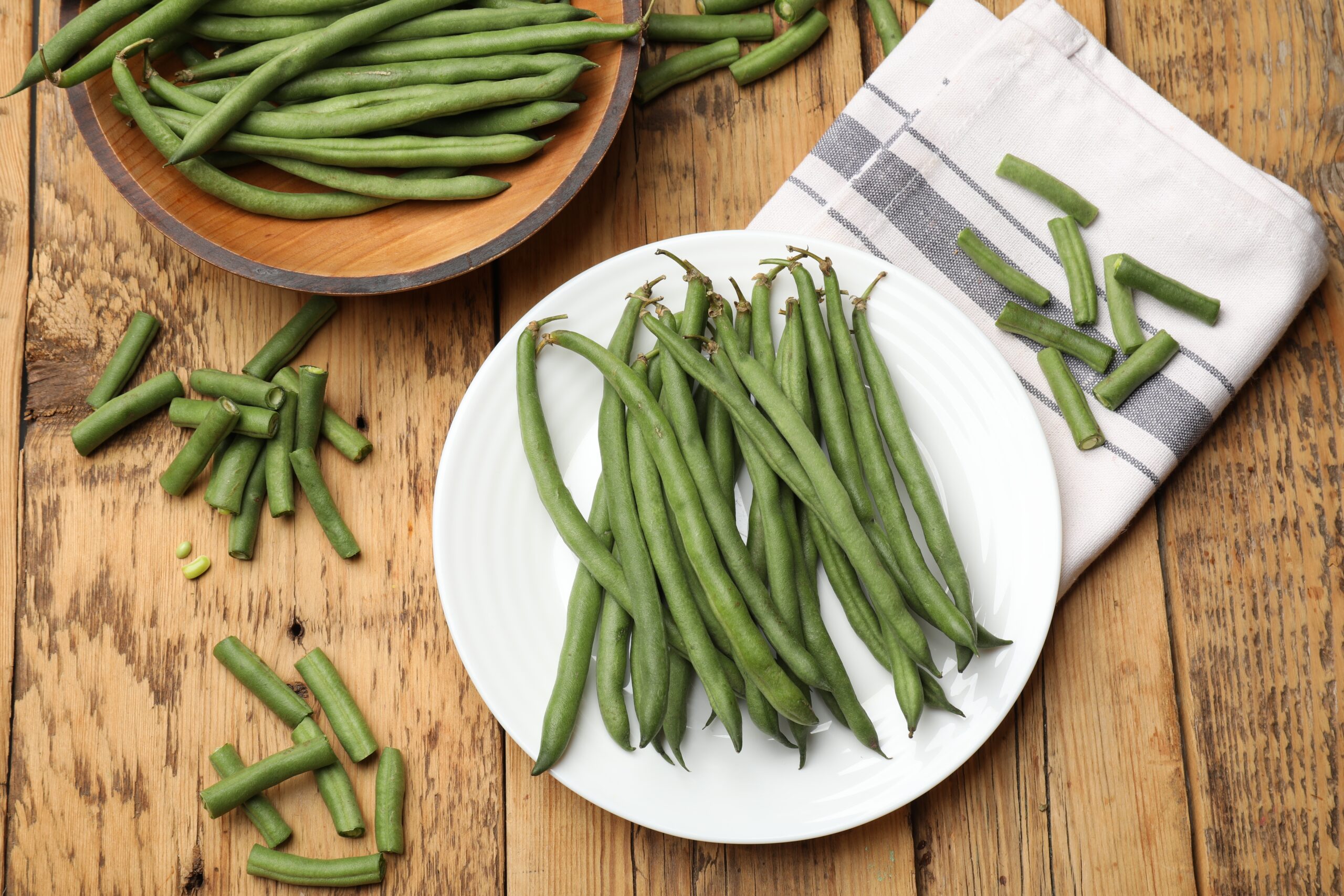
French beans are one of the best vegetables a beginner can grow.
They’re quick to establish, don’t demand huge amounts of space, and once cropping begins, a healthy plant can keep producing fresh beans for weeks.
They’re also noticeably different when eaten freshly picked.
Harvest a handful of young French beans, take them straight into the kitchen and cook them that evening, and you’ll understand why so many vegetable gardeners grow them every year.
Another advantage is choice.
You can grow compact dwarf French beans in pots and small gardens, or grow climbing French beans vertically to produce an impressive crop from a relatively small patch of ground.
In this beginner’s guide, we’ll cover when to sow French beans in the UK, how to plant them, growing in containers, supporting climbing varieties, watering, feeding, harvesting and the common problems to watch for.
French Beans at a Glance
| Sow indoors | April–May |
| Sow outdoors | May–July |
| Plant outside | Late May–June |
| Harvest | July–October |
| Position | Sunny and sheltered |
| Difficulty | Easy |
| Spacing | Around 15–25cm depending on variety |
| Containers | Excellent |
| Soil | Fertile and moisture-retentive |
| Watering | Regularly, especially when flowering |
| Time to harvest | Often around 8–12 weeks |
French beans are tender annual plants grown primarily for their long edible pods.
You’ll also sometimes see them called:
- Green beans
- Fine beans
- Snap beans
- String beans
Some are pencil-thin and delicate.
Others produce broader, chunkier pods.
And unlike runner beans, French beans generally have a more compact growth habit and smoother pods.
Dwarf vs Climbing French Beans
Before buying seeds, decide which type suits your garden.
Dwarf French Beans
Dwarf varieties usually grow to around 30–60cm tall.
They don’t normally require tall supports.
They’re particularly good for:
- Containers
- Raised beds
- Small gardens
- Patio growing
- Exposed gardens
They also tend to produce their crop over a relatively concentrated period.
If you want a longer harvest, make several sowings a few weeks apart.
Climbing French Beans
Climbing varieties can reach 2 metres or more.
They require a support structure but use vertical space extremely efficiently.
They’re ideal if you want:
- Larger harvests
- A longer cropping period
- Maximum production from limited ground space
A row of climbing beans can be remarkably productive.
If you’ve only got a small vegetable bed, growing upwards can make far better use of the available area.
French Beans vs Runner Beans
They look similar when growing, but they’re not quite the same.
French beans
Generally produce slimmer, smoother pods.
Available in dwarf and climbing forms.
Often have a particularly tender texture when harvested young.
Runner beans
Usually produce larger plants and longer, broader pods.
They’re particularly well suited to the British climate and can be extremely productive.
Both are excellent crops.
If you’ve got enough space, there’s no reason not to grow both.
When to Sow French Beans in the UK
French beans love warmth.
They are not frost hardy.
For most UK gardeners, you have two main options.
Sow indoors
April–May
This gives the plants a head start before outdoor conditions become warm enough.
Sow directly outside
Usually from:
late May into July
once the soil has warmed and the risk of frost has passed.
Don’t be tempted to sow outside too early.
A bean sitting in cold, wet soil is more likely to rot than reward you for your enthusiasm.
Often, a seed planted into warm soil a few weeks later will quickly catch up.
How to Sow French Beans Indoors
Beans are wonderfully easy seeds to handle.
They’re large enough to pick up individually, so there’s none of the fiddly work involved with tiny seeds.
Use small pots or deep modules.
Fill them with multipurpose or seed compost.
Make a hole approximately:
4–5cm deep.
Place one bean into each pot.
Cover with compost and water gently.
Put the pots somewhere warm and bright.
You should normally see strong seedlings appearing fairly quickly.
Don’t Start French Beans Too Early
Beans grow quickly.
This is important.
If you sow them indoors in February, you’ll potentially have enormous plants desperate to go outside long before the weather is suitable.
That’s why April or May is generally much more sensible.
You only need a few weeks of protected growth before planting out.
The goal is to produce:
young, healthy, compact plants
rather than indoor bean vines taking over your windowsill.
Hardening Off French Beans
Before indoor-grown beans go into the garden permanently, they should be hardened off.
Over roughly a week or two:
- Put the plants outside somewhere sheltered during the day.
- Bring them back under cover initially.
- Gradually increase their time outside.
- Eventually leave them outside once temperatures are suitable.
French beans dislike cold weather.
Don’t plant them permanently outside while frost is still a realistic possibility.
How to Sow French Beans Outdoors
Once the soil has warmed, beans can be sown directly where they’re going to grow.
Make holes approximately:
4–5cm deep.
Spacing depends on the variety.
Dwarf beans may be planted roughly:
15–20cm apart
while climbing varieties may require around:
20–25cm between plants
depending on your support system.
Always check the seed packet.
Water after sowing if the soil is dry.
Where Should You Grow French Beans?
Choose a position that’s:
- Sunny
- Sheltered
- Fertile
- Moisture retentive
Preparing the Soil
French beans aren’t particularly difficult about soil, but they’ll perform better in fertile ground.
Before planting, add some:
well-rotted compost or organic matter.
This improves soil structure and helps hold moisture.
That’s particularly useful because beans can become thirsty once they’re flowering and producing pods.
Avoid waterlogged ground.
They want consistent moisture, not permanently saturated roots.
How to Support Climbing French Beans
Get the supports installed before the beans become enormous.
Trying to construct a bamboo framework around tangled mature plants is unnecessarily difficult.
Good options include:
Bamboo canes
Bean netting
Trellis
A-frame structures
Wigwams
A simple wigwam works brilliantly in smaller gardens.
Push several long bamboo canes into the soil in a circle and tie them together securely at the top.
Plant beans around the base.
The vines will naturally begin climbing.
Making a French Bean Wigwam
For a simple structure:
- Use roughly 6–8 long canes.
- Arrange them in a circle around 60–90cm wide.
- Push each cane firmly into the ground.
- Bring the tops together.
- Tie securely using strong garden twine.
- Plant one or two beans near each cane.
This creates an attractive tower of beans and uses surprisingly little ground space.
It’s also a great feature for a family vegetable garden.
Do French Beans Climb by Themselves?
Climbing French beans naturally twine around suitable supports.
Once they find a cane or string, they usually know exactly what to do.
Young shoots may occasionally need gently guiding towards the support.
Don’t tie them tightly.
Just position the stem close enough that it can begin winding around naturally.
Growing Dwarf French Beans
Dwarf varieties are considerably simpler.
They generally don’t need elaborate support.
However, heavily cropping plants can sometimes flop over, particularly after rain.
A few short canes or twigs around the plants can provide some useful support.
Because dwarf beans are compact, they’re brilliant for filling gaps in raised beds.
Growing French Beans in Containers
French beans are excellent container vegetables.
Dwarf varieties are particularly suitable.
Choose a container that’s at least around:
30cm deep
with plenty of drainage holes.
A wider container allows you to grow several plants together.
Fill with good-quality multipurpose compost.
Keep the compost consistently moist.
Container-grown beans dry out much faster than those growing in open soil.
If you’re growing climbing varieties in pots, make sure the support is secure.
A tall bean wigwam in a tiny lightweight pot can become surprisingly unstable in the wind.
Growing French Beans in Raised Beds
Raised beds are ideal.
They provide:
- Good drainage
- Fertile soil
- Easy access
- Warm soil during spring
Climbing beans can be positioned along the north side of a raised bed so they don’t unnecessarily shade shorter vegetables.
Then you can grow lower crops in front.
That’s an efficient way to use a relatively small vegetable garden.
How Often Should You Water French Beans?
Young plants need enough moisture to establish.
But watering becomes particularly important once plants begin:
Flowering
and
Producing pods.
Allowing plants to become severely dry during flowering can reduce your crop.
During prolonged dry periods, water thoroughly around the base.
Container plants may require watering much more frequently during summer.
Mulching French Beans
Adding a layer of mulch around established beans can be very useful.
Mulch helps:
- Hold moisture
- Suppress weeds
- Keep roots cooler
- Improve soil gradually
Well-rotted compost works well.
Leave a small gap around the stems rather than piling wet material directly against them.
Do French Beans Need Feeding?
If they’re growing in fertile soil enriched with compost, French beans generally don’t require huge amounts of additional fertiliser.
However, plants growing in containers have access to a limited amount of nutrition.
Once they begin flowering and cropping, a suitable high-potassium liquid feed can help support fruit production.
A tomato-type feed is commonly used.
Follow the manufacturer’s instructions rather than feeding excessively.
Do French Beans Need Nitrogen Fertiliser?
Not usually.
Beans belong to the legume family and form relationships with nitrogen-fixing bacteria around their roots.
This allows them to obtain nitrogen differently from many other vegetables.
Adding lots of nitrogen fertiliser can encourage enormous leafy plants rather than the crop of beans you’re actually after.
Concentrate on healthy soil and adequate moisture instead.
French Bean Flowers
Before the beans appear, you’ll get flowers.
Depending on the variety, these may be:
White
Purple
Pinkish
Once pollinated, tiny bean pods begin forming behind the flowers.
And then things start happening very quickly.
Do French Beans Need Pollinating?
French beans are largely self-pollinating.
That means they don’t depend as heavily on insect pollinators as runner beans.
However, insects can still visit the flowers.
You normally don’t need to do anything.
Outdoor plants take care of pollination themselves.
When Are French Beans Ready to Harvest?
This is crucial.
Pick them young.
Don’t wait until the beans become enormous.
French beans are best when:
- Pods are tender
- Seeds inside haven’t swollen significantly
- Pods snap easily
- Texture is smooth and crisp
Depending on the variety, pods may be ready at around 10–15cm long.
Check your plants frequently.
During warm weather, a bean can go from perfect to overgrown remarkably quickly.
The Secret to More French Beans
The easiest way to encourage more beans is:
Keep picking them.
Once mature pods remain on the plant, it begins putting more energy into developing seeds.
Regular harvesting encourages continued flowering and pod production.
At peak season, check your plants every couple of days.
Don’t wait until you need beans for dinner.
Harvest them when they’re ready.
How to Pick French Beans
Hold the stem or vine gently and remove the pod carefully.
You can pinch younger beans off with your fingers.
Alternatively, use small scissors or secateurs.
Avoid aggressively pulling pods because you can damage the plant.
A basket of freshly picked beans is one of the real pleasures of summer vegetable gardening.
What Happens If French Beans Get Too Big?
They’re still beans.
But the quality declines.
As pods mature:
- They become tougher
- Strings may develop
- Seeds swell
- Texture becomes less tender
If you miss a few pods and they’re badly overgrown, you can allow them to mature fully and potentially harvest the dried beans inside — assuming the variety is suitable.
But for normal green-bean harvesting, pick young.
Successional Sowing for a Longer Harvest
Dwarf French beans can produce heavily over a relatively short period.
Instead of sowing every seed on one day, make additional sowings every:
2–3 weeks
through late spring and early summer.
This can extend the harvest considerably.
For example:
Sowing 1: May
Sowing 2: Late May
Sowing 3: June
Sowing 4: Early July
Later crops depend on local conditions and variety, but staggered sowing is a useful approach.
Common French Bean Problems
French beans are relatively straightforward, but there are a few problems worth watching for.
Slugs and Snails
Young bean seedlings are extremely appealing to slugs and snails.
The most vulnerable period is immediately after germination and planting out.
Protect young plants and check them regularly.
Once beans become large and vigorous, they can tolerate considerably more minor damage.
Blackfly and Aphids
Aphids can gather on:
- Young shoots
- Leaves
- Stems
Small populations can often be removed by hand or washed away with water.
Inspect the plants regularly.
Early intervention is far easier than dealing with an enormous infestation.
Why Are My French Bean Leaves Turning Yellow?
Possible causes include:
Overwatering
Roots sitting in saturated soil can struggle.
Underwatering
Severe drought also causes stress.
Nutrient problems
Particularly in containers.
Natural ageing
Older lower leaves eventually deteriorate.
Look at the whole plant rather than reacting to one yellow leaf.
Why Are My French Beans Flowering but Not Producing Pods?
French beans normally set pods relatively reliably, but failure can sometimes result from:
- Extreme temperatures
- Severe water stress
- Poor plant health
- Excessive nitrogen
- Very dry soil
Keep plants evenly watered during flowering.
If conditions improve, pod production often follows.
Why Are My French Bean Flowers Falling Off?
Some flower drop is normal.
Significant flower drop can happen during:
Excessive heat
Drought
Waterlogged conditions
Sudden temperature changes
Maintain consistent growing conditions where possible.
Protecting Beans from Wind
Climbing beans can become very tall.
Once covered in foliage, the support structure catches a surprising amount of wind.
Make sure bamboo frames and trellises are securely anchored.
This is particularly important in exposed UK gardens.
A collapsing bean frame loaded with plants is not something you’ll enjoy rebuilding in July.
Best French Bean Varieties for Beginners
There’s an excellent range available.
Safari
A popular dwarf French bean producing slender green pods.
Good for: Small gardens and containers.
Ferrari
A reliable dwarf variety with fine green beans.
Good for: Beginners and compact spaces.
Purple Teepee
Produces attractive purple pods on compact plants.
The beans turn green when cooked.
Good for: Containers and children’s gardens.
Cobra
One of the most popular climbing French beans in the UK.
Produces long, tender green pods over an extended period.
Good for: Climbing crops and larger harvests.
Blauhilde
A vigorous climbing bean producing striking purple pods.
The pods turn green when cooked.
Good for: Attractive edible gardening.
Golden Gate
Produces yellow climbing beans.
Good for: Adding variety and colour.
Always check the seed packet for specific sowing dates and plant spacing.
Can French Beans Grow in Partial Shade?
They’ll perform best in a sunny position.
A little partial shade is normally manageable, but too little sunlight can reduce flowering and cropping.
If possible, aim for at least:
6 hours of good summer sunlight
for the most productive plants.
Can French Beans Be Grown Indoors?
Not particularly effectively as a normal indoor crop.
They’re vigorous plants and benefit from:
- Strong sunlight
- Outdoor airflow
- Plenty of growing space
You can start them indoors.
But their final home should ideally be outside, in a greenhouse or another bright protected growing area.
Can You Grow French Beans in a Greenhouse?
Yes.
They’ll appreciate the additional warmth.
But French beans can grow perfectly well outdoors across much of the UK, so valuable greenhouse space is often better reserved for heat-loving crops such as:
Tomatoes
Cucumbers
Chillies
Aubergines
If you live somewhere particularly cold or exposed, protected growing becomes more useful.
Can You Save French Bean Seeds?
Yes.
French beans are relatively easy seeds to save.
Choose healthy plants and allow several pods to remain on the plant well beyond the normal eating stage.
The pods should become:
dry, brown and papery.
Remove them and take out the mature beans inside.
Allow the seeds to dry thoroughly before storing them somewhere:
- Cool
- Dry
- Dark
Label them properly.
You’ll be amazed how similar unidentified dried bean seeds look six months later.
Seed from F1 hybrid varieties may not grow true to the parent, so open-pollinated varieties are preferable for reliable seed saving.
Should You Leave French Bean Roots in the Ground?
There’s a long-standing gardening practice of cutting bean plants off at soil level at the end of the season and leaving the roots behind.
Because legumes associate with nitrogen-fixing bacteria, gardeners often say this leaves useful nitrogen in the soil.
The reality is a little more complicated because much of the captured nitrogen has been used by the plant itself.
But if the roots are healthy, there’s generally no harm in allowing them to decompose naturally in the soil.
Don’t leave diseased plant material behind.
What to Grow After French Beans
Once the plants finish cropping in late summer or autumn, you’ve potentially got useful growing space available.
Depending on the time of year, you might follow them with:
Winter salad
Spinach
Lamb’s lettuce
Green manure
Garlic later in autumn
Your exact options depend on when the beans finish and where in the UK you’re gardening.
Growing French Beans Month by Month
| Month | What to do |
|---|---|
| January | Plan varieties and order seeds |
| February | Prepare beds and containers |
| March | Build or plan supports |
| April | Begin indoor sowings |
| May | Sow indoors and direct outdoors once warm |
| June | Plant out, direct sow and train climbing beans |
| July | Water, feed if required and begin harvesting |
| August | Peak harvesting — pick frequently |
| September | Continue harvesting |
| October | Final harvests and clear finished plants |
| November | Add compost and prepare beds |
| December | Plan next year’s crop |
What You’ll Need to Grow French Beans
French beans don’t require much specialist equipment.
I’d recommend:
French bean seeds
Small pots or modules
Multipurpose compost
Bamboo canes for climbing varieties
Garden twine
Large containers for patio growing
Watering can
Well-rotted compost
High-potassium feed for container plants
Plant labels
A sturdy support is probably the most important purchase if you’re growing climbing French beans.
Build it before planting and it’ll last throughout the season.
[See Our Recommended Bamboo Canes →]
[See Our Recommended Raised Beds →]
[See Our Recommended Garden Planters →]
[Essential Equipment Every Gardener Needs →]
French Bean FAQs
Are French beans easy to grow?
Yes. French beans are one of the easiest and most rewarding summer vegetables for beginners.
When should I sow French beans in the UK?
Start indoor sowings around April–May or sow directly outdoors from late May once the soil has warmed and frost risk has passed.
Do French beans need full sun?
A warm, sunny and sheltered position generally produces the best crop.
How long do French beans take to grow?
Many varieties can begin cropping around 8–12 weeks after sowing, depending on conditions.
Do dwarf French beans need support?
Usually not, although short sticks can help heavily cropping plants remain upright.
How tall do climbing French beans grow?
Many varieties can reach around 2 metres or more, so provide tall, strong supports.
Can French beans grow in pots?
Yes. Dwarf varieties are particularly well suited to containers.
How many French bean plants do I need?
This depends on how often you eat them, but a relatively small number of healthy plants can be surprisingly productive. Around 6–10 plants is a useful starting point for a small household.
Should I pick French beans regularly?
Definitely. Frequent harvesting encourages the plants to continue producing new pods.
Can you eat French beans raw?
French beans are best cooked before eating. Raw or undercooked beans can contain naturally occurring lectins, so cook them properly before consumption.
Are French beans perennial?
No. In the UK they’re normally grown as tender annuals and replaced each year.
Final Thoughts
French beans are exactly the sort of vegetable I’d recommend to someone building their first proper vegetable garden.
They’re straightforward to sow.
They grow quickly.
They don’t require complicated feeding.
You can grow them in containers.
And once harvesting begins, they produce something useful for the kitchen every few days.
If you’ve got limited space, I’d start with a dwarf variety in a large patio container.
If you have a vegetable bed, try a climbing variety such as Cobra and let it use vertical space.
The biggest piece of advice is simple:
Don’t let the beans get old on the plant.
Pick them young.
Pick them frequently.
And keep checking.
You’ll inevitably miss one hiding behind a leaf and discover a bean the size of a small sword several weeks later.
That’s part of growing them.
For your first season, grow perhaps half a dozen plants.
By the time you’ve eaten French beans picked ten minutes before dinner, there’s a good chance you’ll plant lots more next year.