Gardeners Guide · Grow your own
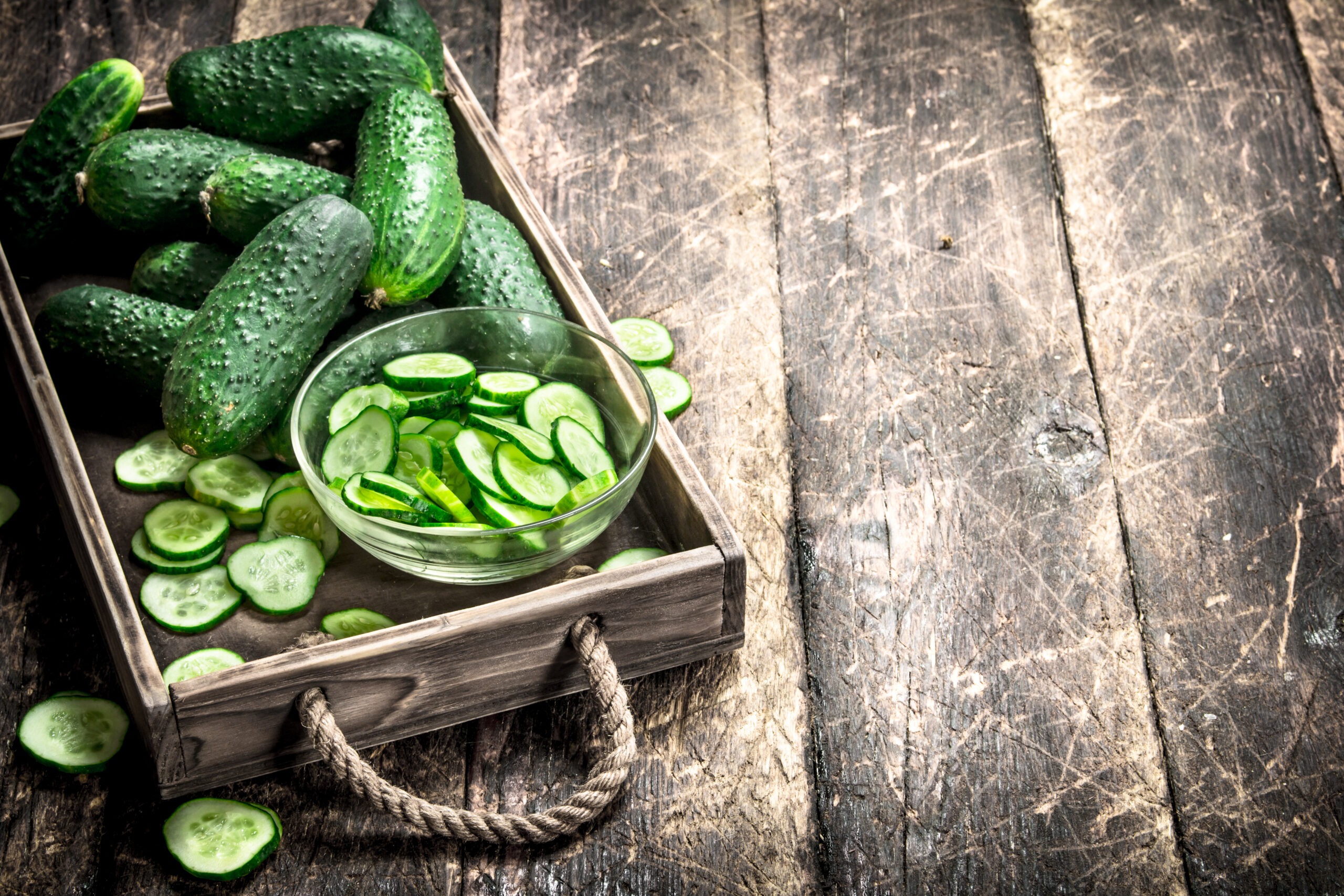
Cucumbers are one of those crops that make growing your own feel genuinely worthwhile.
Given enough warmth, water and sunshine, a healthy cucumber plant can produce an impressive number of crisp, fresh fruits throughout summer — often far better tasting than anything that’s been sitting on a supermarket shelf.
They’re also more versatile than many beginners realise.
You don’t necessarily need a greenhouse or large vegetable garden. There are cucumber varieties designed for greenhouses, outdoor beds, raised beds and even large containers on patios.
The key is choosing the right type of cucumber for where you intend to grow it.
In this beginner’s guide, we’ll cover when to sow cucumbers in the UK, how to grow them indoors and outdoors, watering, feeding, training, pollination, harvesting and the common problems to watch for.
Cucumbers at a Glance
| Sow | February–May |
| Plant outside | Late May–June |
| Harvest | July–October |
| Position | Warm, sunny and sheltered |
| Difficulty | Easy–moderate |
| Spacing | Around 45–60cm |
| Containers | Excellent |
| Greenhouse | Excellent |
| Watering | Frequent and consistent |
| Soil | Rich, fertile and moisture-retentive |
| Time to harvest | Roughly 12–16 weeks from sowing |
Greenhouse Cucumbers vs Outdoor Cucumbers
This is one of the most important things to understand before buying seeds.
There are broadly two useful categories for UK gardeners.
Greenhouse Cucumbers
Greenhouse varieties prefer warm, protected conditions.
They often produce the long, smooth cucumbers we’re familiar with from supermarkets.
Many modern greenhouse varieties are all-female hybrids, meaning they mainly or exclusively produce female flowers.
These can produce fruit without pollination.
In fact, pollination of some greenhouse varieties can result in bitter or misshapen fruit.
Always check the seed packet.
Outdoor or Ridge Cucumbers
Outdoor cucumbers are generally tougher and better suited to typical British summer conditions.
They often produce shorter fruits with slightly rougher skins.
These varieties commonly produce both male and female flowers and rely on pollination.
Outdoor cucumbers are a good option if you don’t have a greenhouse.
The golden rule is simple:
Buy a cucumber variety suited to where you’re going to grow it.
When to Sow Cucumbers in the UK
Timing depends on whether you’re growing under glass or outside.
Greenhouse cucumbers
You can generally begin sowing from around:
February–April
if you have somewhere warm and bright to raise them.
Outdoor cucumbers
I’d usually sow:
April–May
for planting outside once the weather has properly warmed.
Don’t rush outdoor cucumbers.
These are warmth-loving plants and have absolutely no tolerance for frost.
A cucumber planted outside into cold soil in early May can sit there sulking while a later plant catches up quickly once conditions improve.
How to Sow Cucumber Seeds
Cucumber seeds are relatively large and straightforward to handle.
Fill a small pot — around 7–9cm — with good-quality seed compost.
Make a hole approximately:
1–2cm deep.
Place one seed into each pot and cover lightly.
Some gardeners sow cucumber seeds on their side, which can help reduce the chance of water sitting around the seed.
Water gently.
Then place the pot somewhere warm.
What Temperature Do Cucumber Seeds Need?
Cucumbers germinate best in warmth.
Aim for approximately:
20–25°C
during germination.
A heated propagator can be useful for early sowings.
Under good conditions, cucumber seeds can germinate remarkably quickly — sometimes within just a few days.
Once the seedling appears, provide plenty of light.
Looking After Cucumber Seedlings
Cucumber seedlings grow quickly.
Give them:
☀️ Good light
🌡️ Warmth
💧 Consistent moisture
But avoid keeping the compost permanently saturated.
Young cucumber stems can be surprisingly fragile, so handle plants carefully.
As the roots fill the original pot, move the plant into a larger container.
Don’t repeatedly allow seedlings to become severely pot-bound.
Cucumbers like uninterrupted growth.
When Can Cucumbers Go Outside?
Outdoor cucumbers should only be planted out once:
the risk of frost has passed and conditions are reliably warm.
For much of the UK, this means around:
late May into June.
Gardeners in colder areas may need to wait longer.
Before planting them permanently outside, harden them off.
Gradually expose indoor-grown seedlings to outdoor conditions over roughly a week or two.
Start with a sheltered position during the day.
Gradually increase the amount of time they spend outside.
Cold wind can be just as stressful as low temperatures, so don’t rush the process.
Where Should You Grow Cucumbers?
Cucumbers love:
Warmth
Sunshine
Shelter
Moisture
For outdoor plants, choose the warmest sheltered position available.
A sunny wall or fence can be particularly useful because it creates a warmer microclimate.
Avoid extremely exposed positions where plants will be battered by wind.
Cucumbers have large leaves and relatively soft growth.
They’re not built for spending summer fighting a Scottish gale.
Preparing the Soil
Cucumbers are hungry plants.
They grow rapidly and produce lots of fruit, so give them fertile conditions.
Before planting, incorporate plenty of well-rotted compost or organic matter into the soil.
The ideal soil is:
- Fertile
- Moisture-retentive
- Free draining
- Rich in organic matter
They don’t want to sit in permanently waterlogged soil, but they certainly don’t enjoy drying out either.
Planting Cucumbers Outside
Once conditions are warm enough, dig a generous planting hole.
Plant at roughly the same depth the cucumber was growing in its pot.
Firm gently.
Water thoroughly.
Allow approximately:
45–60cm between plants
depending on the variety.
Check the seed packet because vigorous outdoor varieties may require considerably more room.
A mulch around the plant can help conserve moisture during summer.
Growing Cucumbers in a Greenhouse
A greenhouse is probably the easiest place to produce consistently good cucumbers in much of the UK.
The extra warmth allows vigorous growth and provides a longer cropping season.
You can grow greenhouse cucumbers:
- Directly in greenhouse borders
- In large containers
- In growing bags
Give the plants some form of vertical support.
Cucumber vines can easily grow several metres and are much easier to manage when trained upwards rather than allowed to sprawl everywhere.
Growing Cucumbers in Containers
Cucumbers grow extremely well in pots.
This makes them a great choice for:
- Patios
- Courtyards
- Balconies
- Small gardens
Choose a substantial container.
Something around 10–20 litres or larger is suitable for many varieties, though vigorous plants appreciate additional root space.
Generally, I’d grow one cucumber plant per large container.
Use good-quality multipurpose compost and make sure the pot has plenty of drainage holes.
The biggest challenge with container cucumbers is watering.
Large cucumber leaves lose a lot of moisture during warm weather, and pots can dry rapidly.
How to Support Cucumber Plants
You can allow some outdoor varieties to trail along the ground, but training them vertically has several advantages.
It:
- Saves space
- Improves airflow
- Keeps fruit cleaner
- Makes harvesting easier
- Can reduce damage from soil pests
Good supports include:
🪵 Bamboo canes
🕸️ Garden netting
🌿 Trellis
🧵 Strong vertical string
🏗️ Purpose-made climbing frames
As the cucumber grows, gently tie the main stem to its support.
Don’t tie it tightly.
Allow enough room for the stem to thicken.
Training Greenhouse Cucumbers
Greenhouse cucumber training can sound complicated, but the principle is simple.
Encourage the main stem to grow vertically.
Secure it regularly to a support.
Once it reaches the top of the greenhouse support system, pinch out the growing tip.
Side shoots can also be controlled depending on the variety.
Seed packets often contain specific training instructions, and these are worth following because cucumber varieties differ.
For a beginner, don’t become obsessed with perfect pruning.
Concentrate on keeping the plant:
supported, healthy and accessible.
Male and Female Cucumber Flowers
Understanding cucumber flowers can prevent a lot of confusion.
Female flowers
Female flowers have a tiny immature cucumber directly behind the flower.
Male flowers
Male flowers sit on a thin stem without a developing fruit behind them.
Outdoor ridge cucumbers usually produce both.
Male flowers provide pollen that insects transfer to female flowers.
Some greenhouse varieties, however, are bred to produce primarily female flowers and don’t require pollination.
This is why checking your seed variety matters.
Should You Remove Male Cucumber Flowers?
It depends entirely on the cucumber.
Modern all-female greenhouse variety?
Usually unnecessary because there may be few or no male flowers.
Traditional greenhouse variety?
Male flowers may need removing to prevent pollination, which can lead to bitter or seeded fruits in certain varieties.
Outdoor ridge cucumber?
Leave the male flowers alone.
They’re needed for pollination.
The instructions on your seed packet should tell you which type you’re growing.
How Often Should You Water Cucumbers?
Frequently.
A mature cucumber plant can use an impressive amount of water during hot weather.
The goal is:
consistent moisture.
Don’t allow the plant to become bone dry repeatedly and then drown it.
Irregular watering can stress the plant and contribute to poor-quality fruit.
Container plants may require watering every day during particularly hot weather.
Plants in the ground generally need less frequent watering because the soil holds more moisture.
Check rather than following a rigid timetable.
How Should You Water Cucumbers?
Water around the base of the plant.
Try to avoid constantly soaking the foliage, especially late in the day.
Keeping leaves unnecessarily wet can encourage fungal problems.
A useful technique is creating a slight depression around the plant so water is directed towards its roots.
Some greenhouse growers place a bottomless pot beside each plant and water into that to encourage water to reach deeper into the root zone.
Do Cucumbers Need Feeding?
Yes.
Cucumbers are hungry plants.
Once the first fruits begin developing, regular feeding can help maintain production.
A high-potassium liquid tomato feed is commonly used.
Follow the manufacturer’s recommended dilution and feeding frequency.
Don’t assume doubling the concentration will double your cucumber harvest.
It won’t.
Too much fertiliser can damage plants.
[See Our Recommended Cucumber & Tomato Feeds →]
Should You Mulch Cucumbers?
Yes, particularly outdoors.
A layer of organic mulch can:
- Retain soil moisture
- Reduce weeds
- Protect shallow roots
- Help regulate soil temperature
Suitable materials include well-rotted compost or other appropriate organic mulches.
Leave a small gap immediately around the stem rather than piling wet material against it.
When Do Cucumbers Start Producing?
Depending on the variety and growing conditions, cucumbers generally begin producing during summer.
Plants sown in spring may start cropping from around:
July
and continue through:
August and September
with greenhouse plants potentially cropping into October.
Once production gets underway, check plants frequently.
Cucumbers can grow remarkably quickly.
When Are Cucumbers Ready to Pick?
Here’s the most important harvesting lesson:
Don’t wait for enormous cucumbers.
Pick fruits while they’re young, firm and appropriate to their variety.
Regular harvesting encourages continued fruit production.
If you leave several massive overripe cucumbers on the plant, it begins directing energy into producing mature seeds instead of new fruit.
Check vigorous plants every couple of days during peak summer.
How to Harvest Cucumbers
Use a clean pair of:
✂️ Scissors
or
🌿 Secateurs
to cut the fruit from the vine.
Leave a short stalk attached.
Don’t twist and pull aggressively because cucumber vines and stems are easily damaged.
Why Are My Cucumbers Bitter?
Bitterness can be caused by several factors, including:
- Plant stress
- Irregular watering
- Extreme temperatures
- Pollination of certain greenhouse varieties
- Genetics
Consistent watering and choosing modern varieties bred for reliable flavour help reduce the risk.
If you’re growing an older greenhouse variety, check whether male flowers should be removed.
Why Are My Cucumbers Curved or Misshapen?
Don’t expect every home-grown cucumber to look supermarket-perfect.
Curved fruit can result from:
- Incomplete pollination
- Irregular watering
- Temperature fluctuations
- Restricted growth
- General plant stress
A curved cucumber usually tastes exactly the same.
One of the benefits of growing your own is discovering that vegetables don’t need to be geometrically perfect.
Why Are My Baby Cucumbers Turning Yellow and Falling Off?
Those little fruits are often ovaries that failed to develop properly.
Possible causes include:
Poor pollination
Particularly with outdoor varieties.
Cold weather
Cucumbers dislike low temperatures.
Water stress
Both under- and overwatering can cause problems.
Lack of nutrients
Heavy-cropping plants need sufficient nutrition.
Too many developing fruits
Occasionally a young plant simply can’t support everything it tries to produce.
A few aborted fruits are normal.
If nearly all of them fail, investigate the growing conditions.
Why Are My Cucumber Leaves Turning Yellow?
Yellow leaves can have several causes.
Older leaves
Lower leaves naturally age.
Overwatering
Constantly waterlogged compost can affect roots.
Underwatering
Severe drought causes stress.
Nutrient deficiency
Particularly in container-grown plants.
Pest problems
Inspect the leaves carefully.
One yellow leaf isn’t necessarily a problem.
Look at the overall plant.
Powdery Mildew on Cucumbers
Powdery mildew appears as a white powdery coating on leaves.
It’s relatively common later in the cucumber season.
Good airflow can help reduce problems.
Also avoid allowing plants to suffer repeated drought stress.
Remove badly affected leaves if necessary while maintaining enough healthy foliage for the plant to continue growing.
Red Spider Mite
Greenhouse cucumbers can suffer from red spider mites, particularly during hot, dry conditions.
Look for:
- Fine mottling on leaves
- Yellowing
- Very fine webbing
Check plants regularly so infestations are caught early.
Whitefly
Whitefly can also cause problems under glass.
Small white insects may fly up when you disturb the foliage.
Inspect the undersides of leaves.
Good greenhouse hygiene and early detection make problems easier to control.
Slugs and Snails
Outdoor cucumber seedlings can be attractive to slugs and snails.
Young plants are particularly vulnerable.
Protect seedlings while they’re establishing and keep the surrounding area reasonably tidy.
A large healthy cucumber can tolerate minor damage much better than a tiny newly planted seedling.
Best Cucumber Varieties for Beginners
There are many excellent varieties available.
The most important thing is choosing the right type for your growing conditions.
Telegraph Improved
A traditional long greenhouse cucumber.
Produces long, smooth fruits.
Good for: Greenhouse growing.
Carmen F1
A popular all-female greenhouse variety producing long cucumbers.
Good for: Protected growing.
Marketmore
A widely grown outdoor cucumber producing shorter, darker fruits.
Reliable in typical outdoor conditions.
Good for: Vegetable beds and allotments.
La Diva
Produces relatively small, smooth cucumbers and can be suitable for outdoor or protected growing depending on conditions.
Good for: Smaller fruits and container growing.
Mini Cucumbers
There are numerous modern varieties designed to produce short snack-sized fruits.
They’re particularly useful for small households because you can harvest one cucumber without having half of it sitting in the fridge afterwards.
Good for: Containers and families.
Always check whether the seed you’ve chosen is intended for greenhouse or outdoor cultivation.
Can Cucumbers Grow Outside in Scotland?
Yes.
But choose an outdoor variety and give it the warmest, most sheltered location you can.
In cooler parts of Scotland, a greenhouse or polytunnel gives more reliable results because cucumbers appreciate sustained warmth.
Outdoor plants can still crop well during a good summer, particularly against a sunny south-facing wall.
Don’t plant them outside too early.
Waiting until conditions genuinely warm up is often more productive than trying to gain an extra two weeks at the start of the season.
Can You Grow Cucumbers Vertically?
Absolutely.
In fact, for small gardens I’d actively recommend it.
Training cucumbers upwards:
- Saves valuable ground space
- Makes fruit easier to spot
- Improves airflow
- Keeps cucumbers away from damp soil
You could potentially grow salad crops or other compact vegetables around the base, making better use of your raised-bed space.
Can You Grow Cucumbers and Tomatoes Together?
Yes, particularly in a greenhouse.
Both enjoy:
☀️ Warmth
💧 Regular watering
🌱 Fertile growing conditions
However, cucumbers generally appreciate slightly more humid conditions than tomatoes.
In an ordinary domestic greenhouse, though, plenty of gardeners successfully grow both.
Give each plant sufficient space and maintain good ventilation.
How Many Cucumbers Does One Plant Produce?
There’s no fixed number.
Variety, weather, plant health and growing conditions all make a difference.
A well-grown cucumber plant can produce many fruits over the season, particularly if you harvest regularly.
This is why beginners don’t need to plant ten cucumber plants.
For a household, two or three healthy plants may produce plenty.
Can You Save Cucumber Seeds?
Yes — but there’s an important catch.
If you’re growing an F1 hybrid, saved seed won’t necessarily produce plants identical to the parent.
For reliable seed saving, use an open-pollinated variety.
You’ll also need to allow one cucumber to mature far beyond the normal eating stage so its seeds fully develop.
For most beginners, buying fresh seed each year is simpler.
Growing Cucumbers Month by Month
| Month | What to do |
|---|---|
| January | Choose varieties and plan growing space |
| February | Early greenhouse sowings possible |
| March | Sow greenhouse varieties |
| April | Main indoor sowing period |
| May | Sow outdoor varieties and begin hardening plants |
| June | Plant outdoors when warm and train vines |
| July | Feed, water and begin harvesting |
| August | Peak harvesting — pick frequently |
| September | Continue feeding and harvesting |
| October | Final greenhouse harvests |
| November | Remove finished plants and clean growing areas |
| December | Plan next year’s crop |
What You’ll Need to Grow Cucumbers
You don’t need specialist equipment, but the following make growing considerably easier:
🌱 Cucumber seeds
🪴 Small pots for sowing
🌿 Seed compost
🌡️ Heated propagator for early sowings
🪴 Large pots or grow bags
🌱 Good-quality compost
🪵 Canes, trellis or support
🧵 Soft plant ties
💧 Watering can
🍅 High-potassium feed
✂️ Secateurs or scissors
🏷️ Plant labels
If you’re growing cucumbers in a greenhouse, a reliable support system and adequate watering setup are probably the two things I’d prioritise.
[See Our Recommended Cucumber Supports →]
[See Our Recommended Grow Bags →]
[See Our Recommended Tomato & Cucumber Feeds →]
[Essential Equipment Every Gardener Needs →]
Cucumber Growing FAQs
Are cucumbers easy to grow?
Yes, provided you give them enough warmth and water.
I’d rate cucumbers easy to moderate for beginners.
When should I sow cucumber seeds in the UK?
Greenhouse cucumbers can be sown from around February–April, while outdoor varieties are usually best started around April–May.
Can cucumbers grow outside in the UK?
Yes. Choose an outdoor or ridge variety and plant it somewhere warm, sunny and sheltered after the risk of frost has passed.
Do cucumbers need full sun?
They perform best with plenty of light and warmth. A sheltered sunny position is ideal.
Can you grow cucumbers in pots?
Yes. Cucumbers grow extremely well in large containers, provided they’re watered and fed regularly.
How big should a cucumber pot be?
For many varieties, something around 10–20 litres or larger works well. Vigorous plants appreciate more root space.
How often should cucumbers be watered?
Maintain consistent moisture. Container plants may need daily watering during hot summer weather.
What should I feed cucumbers?
Once fruiting begins, a high-potassium tomato-type fertiliser is commonly used.
Why aren’t my cucumber flowers producing fruit?
For outdoor varieties, poor pollination may be responsible. Cold conditions, water stress and poor plant health can also contribute.
Do cucumber plants need support?
Not always, but vertical support saves space, improves airflow and keeps the fruit cleaner.
How many cucumber plants do I need?
For many households, two or three healthy plants can provide an excellent crop.
Final Thoughts
Cucumbers look exotic, but they’re surprisingly straightforward once you understand what they want.
And what they want is fairly simple:
Warmth, water, food and somewhere to climb.
Choose the correct variety for your growing situation.
Start the seeds somewhere warm.
Don’t plant outdoor cucumbers until the weather is genuinely suitable.
Give them fertile soil or good-quality compost.
Keep the roots consistently moist.
Feed once fruiting gets underway.
And above all:
keep picking.
A productive cucumber plant doesn’t need encouragement to make more fruit. During warm summer weather, you’ll sometimes wonder how a cucumber that wasn’t there three days ago has suddenly become large enough for lunch.
For a beginner, I’d grow two plants.
Choose an outdoor variety such as Marketmore if you’re growing in the garden, or a modern all-female variety if you’ve got a greenhouse.
Once you’ve tasted your first cucumber while it’s still warm from the greenhouse or garden, you’ll probably find room for them again next year.