Gardeners Guide · Grow your own
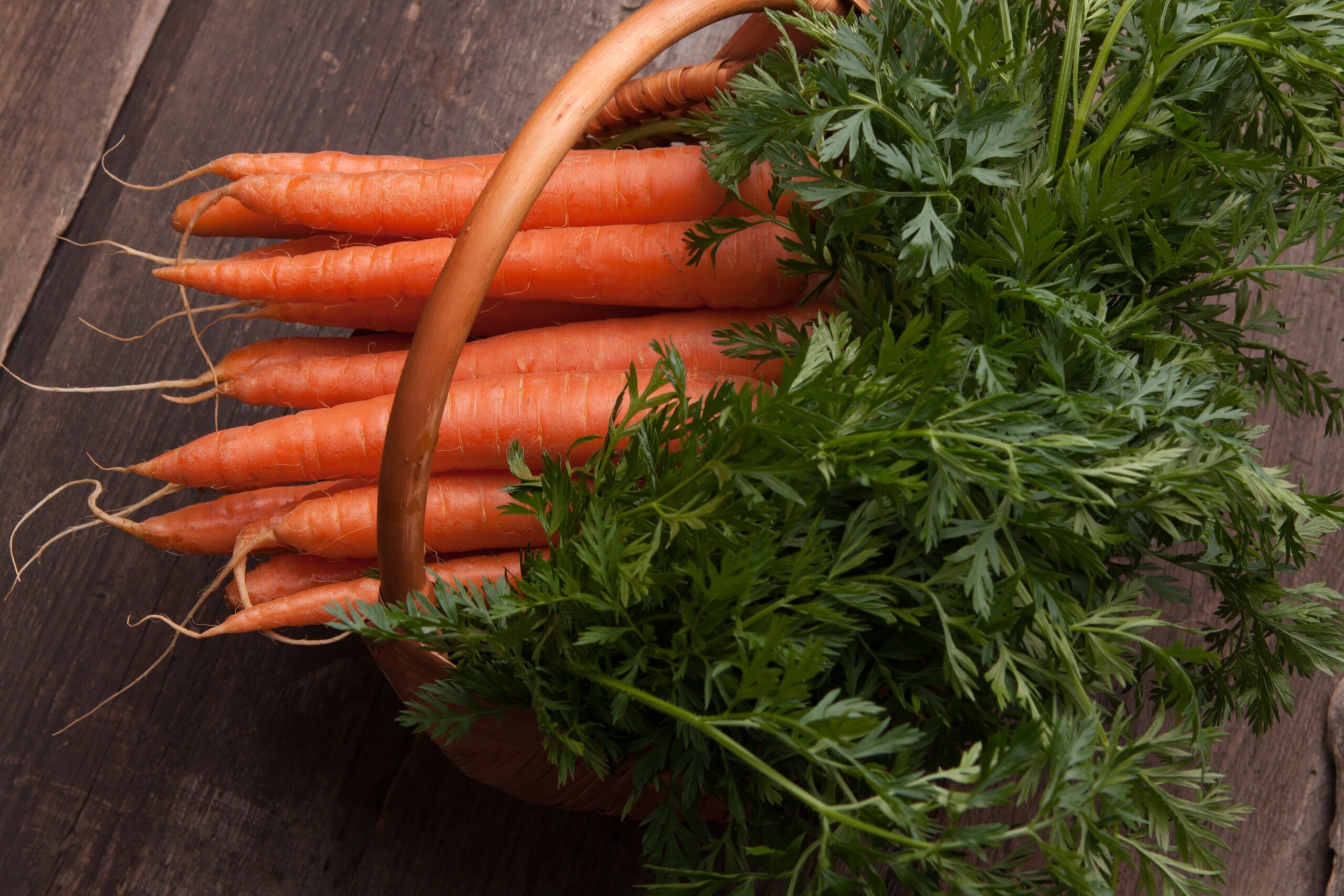
Carrots are one of the classic vegetables to grow at home. They’re inexpensive, don’t need huge amounts of space and can be grown successfully in the ground, raised beds and containers.
They’re also a crop where a little preparation makes a huge difference.
Here’s everything you need to know to grow your first crop of carrots.
When Should You Sow Carrots?
In the UK, carrots can generally be sown from spring through summer, depending on the variety and local conditions.
Early varieties can be sown first, while later sowings provide crops into autumn.
Rather than sowing your entire packet at once, try sowing smaller amounts every few weeks. This is called successional sowing and can give you carrots over a much longer period.
Choosing the Right Soil
If there’s one thing carrots really appreciate, it’s loose soil.
Heavy, stony or compacted ground can cause roots to fork or become misshapen.
Prepare the area by removing stones and breaking up large clumps.
Avoid adding lots of fresh manure immediately before sowing carrots, as overly rich conditions can encourage forked roots.
How to Sow Carrot Seeds
Carrots are normally sown directly where they’re going to grow rather than being transplanted.
Create a shallow drill approximately 1cm deep.
Sow the tiny seeds thinly along it, cover gently with soil and water carefully.
Seedlings can take a little while to appear, so don’t assume they’ve failed after a few days.
Growing Carrots in Containers
Containers are an excellent option, particularly if your garden has heavy or stony soil.
Choose a sufficiently deep container with good drainage and fill it with suitable compost.
Shorter or round-rooted carrot varieties can be particularly useful for containers.
Do Carrots Need Thinning?
If seedlings emerge too close together, you may need to thin them.
Try to sow thinly in the first place because thinning can potentially attract carrot fly.
When thinning is necessary, remove unwanted seedlings carefully and avoid leaving crushed carrot foliage lying around.
Protecting Carrots From Carrot Fly
Carrot fly is one of the main pests you’ll hear about when growing carrots.
One of the most effective approaches is using a suitable fine insect mesh to prevent the adult flies reaching the crop.
Keep the barrier secure and avoid unnecessary disturbance of the plants.
Watering Carrots
Young seedlings need moisture while establishing.
Once growing well, carrots generally don’t appreciate dramatic changes between extremely dry and extremely wet soil.
A sudden influx of water after a prolonged dry period can contribute to roots splitting.
Aim for reasonably consistent conditions.
When Can You Harvest Carrots?
Harvest time varies by variety.
You can often judge their size by looking at the top of the root where it meets the soil.
Baby carrots can be harvested young, or you can leave suitable varieties to develop larger roots.
To harvest, gently loosen the surrounding soil and pull from the base of the foliage.
Five Beginner Mistakes to Avoid
- Don’t sow too deeply.
- Don’t grow in badly compacted or stony soil.
- Don’t overfeed with fresh manure.
- Don’t forget about carrot fly.
- Don’t sow the entire packet on one day.
Are Carrots Worth Growing?
Definitely.
Few things compare with pulling a carrot from the soil, brushing off the dirt and taking it straight into the kitchen.
Start small, choose good soil and sow regularly. Before long, you could be harvesting your own carrots throughout the growing season.
Gardeners Guide — Grow Better. Garden Smarter.