Gardeners Guide · Grow your own
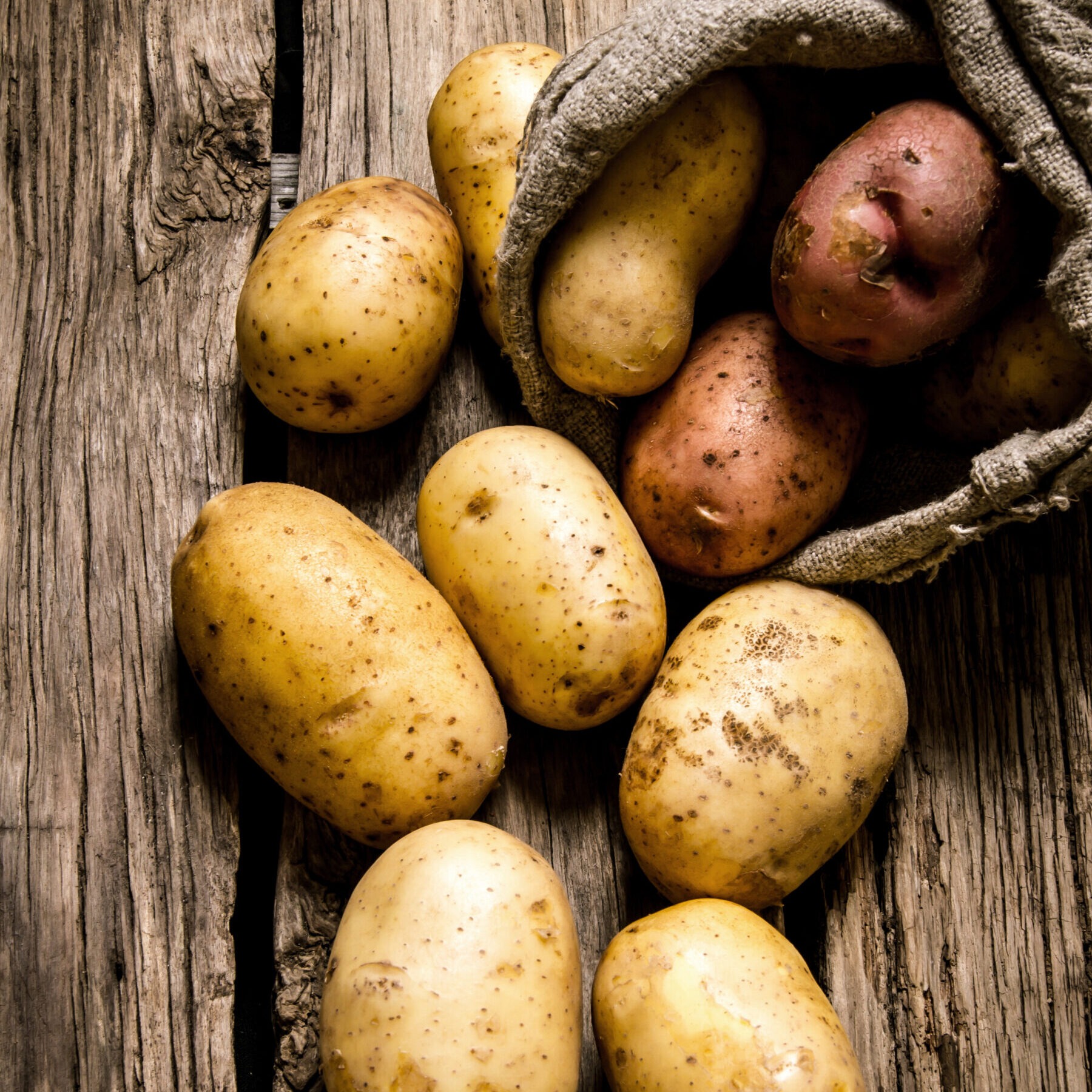
Growing your own potatoes is one of those gardening jobs that gives you a surprising amount of satisfaction for relatively little effort.
You don’t need a huge vegetable garden either. Potatoes can be grown in traditional rows, raised beds, large containers or even potato-growing bags, making them a great crop for beginners.
And there’s something particularly satisfying about tipping over a container and discovering a pile of potatoes hiding underneath.
If you’ve never grown potatoes before, this guide will take you through the whole process—from choosing seed potatoes to digging up your first crop.
Why Grow Your Own Potatoes?
Potatoes are readily available and inexpensive in supermarkets, so you might wonder whether they’re worth growing yourself.
I’d say they are.
Growing your own allows you to experiment with varieties you don’t always find in the shops. Newly harvested potatoes can taste fantastic, and potatoes are also a brilliant crop if you’re just getting started with vegetable gardening.
They’re relatively straightforward, don’t require complicated equipment and can produce a worthwhile harvest from a surprisingly small area.
Understanding the Different Types of Potatoes
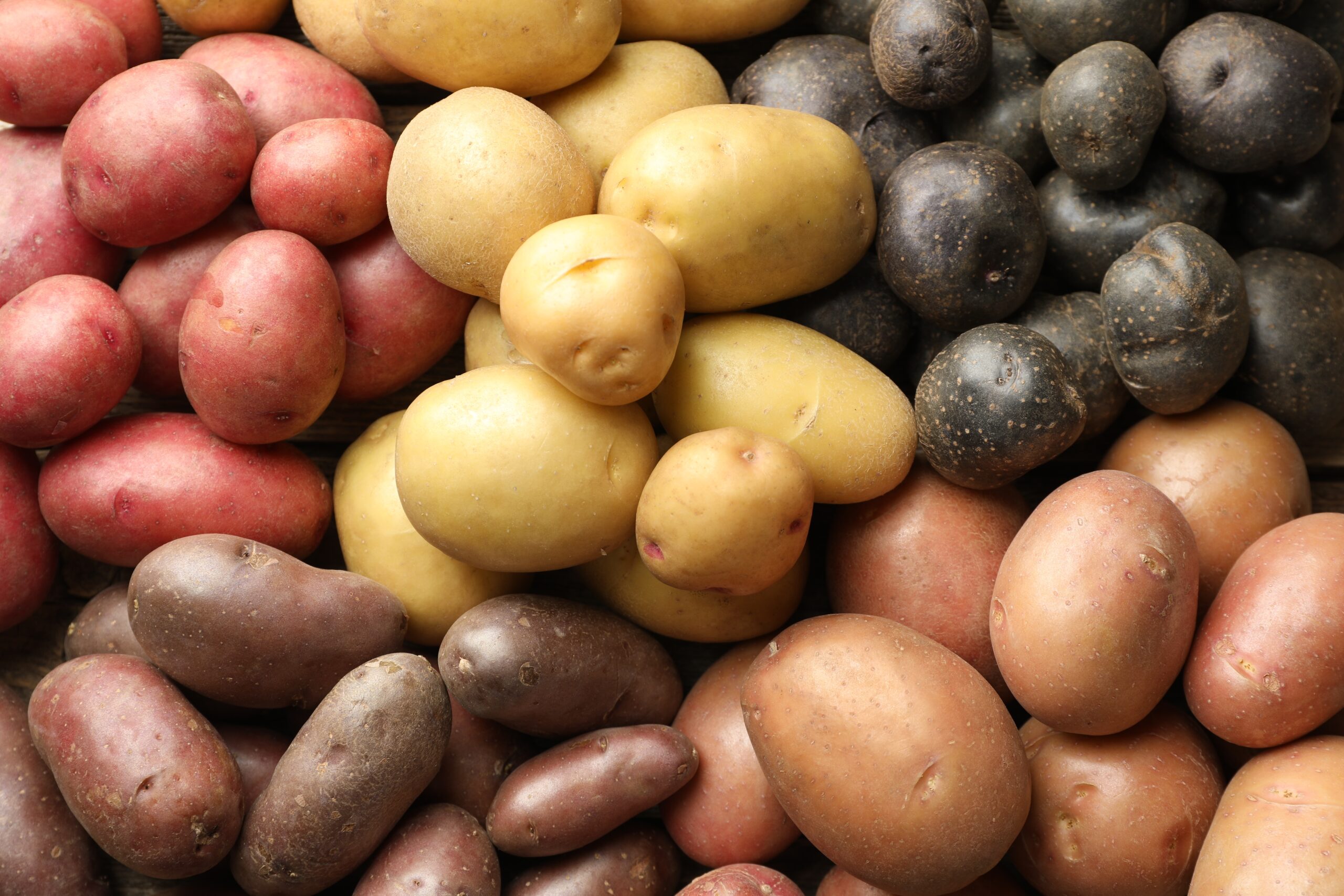
Before buying seed potatoes, you’ll usually come across three main categories.
First Earlies
These are generally the quickest potatoes to mature and are often harvested as small “new potatoes”.
They’re particularly useful if you’re growing in containers or don’t have much space because they spend less time occupying the ground.
Second Earlies
Second earlies take a little longer to mature and can provide another crop of delicious new potatoes after your first earlies have finished.
Maincrop
Maincrop potatoes remain in the ground for considerably longer and generally produce larger harvests.
These are the potatoes to consider if you want larger tubers for roasting, baking, chips or storing for use later in the year.
Gardeners Guide tip: For your first attempt, try growing a couple of different varieties. A first early and a maincrop will give you two very different harvests from essentially the same growing process.
Always Start With Seed Potatoes
One of the first questions beginners ask is whether they can simply plant potatoes bought from the supermarket.
They may grow, but it’s better to buy certified seed potatoes intended specifically for planting.
Seed potatoes are produced for growing and help reduce the risk of introducing certain potato diseases into your garden.
You’ll find them in garden centres, nurseries and online from late winter onwards.
What Does “Chitting” Potatoes Mean?
You’ll often hear gardeners talking about chitting potatoes.
Thankfully, it’s much simpler than it sounds.
Chitting simply means allowing seed potatoes to start developing shoots before they’re planted.
Place your seed potatoes somewhere cool, bright and frost-free with the end containing the most “eyes” facing upwards. An old egg box makes a surprisingly useful holder.
Over the following weeks, short, sturdy shoots should begin to develop.
Chitting is particularly popular with early potatoes.
Don’t worry if you’ve bought your seed potatoes late and haven’t had time to chit them properly. You can still plant them.
When Should You Plant Potatoes?
In much of the UK, potatoes are planted during spring.
Exactly when depends on your location, the variety you’re growing and the weather.
As a rough guide:
First earlies: around March onwards
Second earlies: around March to April
Maincrop: around April
These aren’t rigid dates.
If you garden in Scotland or another colder part of the UK, your planting conditions may be noticeably different from those in southern England.
The condition of the soil matters more than blindly following a date on the calendar.
Avoid planting into frozen or badly waterlogged ground.
Where Should You Grow Potatoes?
Potatoes perform best somewhere reasonably sunny with fertile, well-drained soil.
Before planting, remove perennial weeds and prepare the ground.
Adding well-rotted organic matter can help improve the soil, particularly if your ground is poor.
If you’re growing potatoes in the same vegetable garden year after year, rotate where you plant them rather than using exactly the same patch every season.
How to Plant Potatoes in the Ground
Traditional potato planting is straightforward.
Dig a trench roughly 10–15cm deep and place your seed potatoes into it with the shoots facing upwards.
Spacing varies depending on the type and variety, but as a rough beginner’s guide:
- First earlies: around 30cm apart
- Maincrop: around 35–40cm apart
- Leave roughly 60–75cm between rows
Cover them carefully with soil.
Then wait.
Eventually you’ll see shoots emerging through the surface.
Growing Potatoes in Containers
Don’t have a vegetable patch?
No problem.
Potatoes grow very well in large containers and growing bags.
Choose a container with good drainage holes. Add a layer of compost to the bottom and position your seed potatoes with the shoots pointing upwards.
Cover them with more compost.
As the shoots grow, gradually add additional compost around the stems while leaving some foliage visible.
Continue until you’ve worked your way towards the top of the container.
One of the biggest mistakes when growing potatoes in containers is trying to squeeze too many plants into one pot.
Giving plants sufficient room generally produces better results than cramming in as many seed potatoes as possible.
What Is Earthing Up?
Once your potato plants start growing, you’ll encounter another classic potato-growing term: earthing up.
This simply means drawing soil up around the growing stems to create a ridge.
As the plants become taller, repeat the process.
There are several reasons for doing this.
It helps protect developing tubers from sunlight, can provide some protection to young growth and gives the plants additional soil in which potatoes can develop.
For container-grown potatoes, you achieve something similar by gradually adding more compost.
Why You Don’t Want Green Potatoes
Potatoes should develop in darkness.
When tubers are exposed to light, they can turn green and accumulate increased levels of glycoalkaloids such as solanine.
Green potatoes shouldn’t be eaten.
This is one reason earthing up and keeping developing potatoes properly covered is important.
Watering Potato Plants
Potatoes need adequate moisture, particularly once the tubers begin developing.
During prolonged dry periods, water plants thoroughly.
Container-grown potatoes require more attention because compost in pots can dry much faster than garden soil.
The aim is consistent moisture rather than repeatedly allowing the compost to become bone dry and then flooding it.
At the same time, potatoes don’t want to sit permanently in waterlogged conditions.
Should You Feed Potatoes?
Potatoes are hungry plants.
Growing them in fertile soil containing plenty of organic matter gives them a good start.
Container-grown plants have access to a limited amount of nutrients, so they may particularly benefit from appropriate feeding during the growing season.
Follow the directions for whichever potato or vegetable fertiliser you’re using rather than assuming that more fertiliser means more potatoes.
Watch Out for Potato Blight
One of the main problems potato growers encounter is late blight.
It’s a fungal-like disease that can spread rapidly during warm, humid conditions and affect both potatoes and tomatoes.
Typical symptoms can include dark patches appearing on foliage followed by rapid deterioration of the plant.
Good gardening hygiene and airflow can help, but blight can still occur when weather conditions favour it.
If you suspect blight, don’t simply add badly infected material to a home compost heap.
Other Potato Problems
Blight isn’t the only thing worth watching for.
You may also encounter slugs, wireworms and other pests or diseases.
Don’t panic every time you see a damaged leaf.
Regularly checking your plants is usually enough to spot developing problems early.
When Are Potatoes Ready to Harvest?
This is the exciting part.
Harvest time depends heavily on which type you’ve planted.
First earlies may be ready roughly 10–12 weeks after planting, while maincrop potatoes can take considerably longer.
With early potatoes, flowering can be a useful indication that it’s worth carefully checking beneath the soil to see how the tubers are developing.
You don’t necessarily need to lift the entire plant immediately.
Carefully feel around beneath the soil and see what you find.
How to Harvest Potatoes
Choose a reasonably dry day if possible.
For potatoes grown in the ground, carefully insert a garden fork some distance away from the plant and lift the soil.
Try not to stab straight through your potatoes—although almost everyone manages to spear at least one.
Search through the loosened soil carefully because potatoes have a remarkable ability to hide.
For containers, harvesting can be even easier.
Put down a sheet or use an empty wheelbarrow and tip the container out.
Then search through the compost for your crop.
This is easily one of the most enjoyable moments in vegetable gardening.
Storing Your Potato Harvest
Early potatoes are generally best enjoyed relatively fresh.
Maincrop varieties are better suited to storage.
If you’re planning to store potatoes, allow suitable maincrop tubers to dry before placing them somewhere cool, dark and well ventilated.
Don’t store damaged potatoes with healthy ones.
Check your stored crop periodically and remove any potatoes showing signs of rot.
Most importantly, keep them away from light so they don’t turn green.
Five Beginner Potato-Growing Mistakes to Avoid
If this is your first year growing potatoes, remember these five things:
- Don’t overcrowd containers. Potato plants need space.
- Don’t let developing potatoes see daylight. Keep them covered.
- Don’t forget about watering. Containers in particular can dry quickly.
- Don’t plant into waterlogged ground. Potatoes prefer good drainage.
- Don’t harvest everything too early. Give the variety enough time to develop.
Are Potatoes Worth Growing?
Absolutely.
Potatoes might not be the most exotic crop in the vegetable garden, but they’re one of the most rewarding.
You can start with just a few seed potatoes, a bag of compost and a couple of containers. A few months later, you could be tipping those containers over and harvesting potatoes you’ve grown yourself.
And once you’ve tasted the first freshly dug new potatoes of the season, there’s a good chance you’ll be planting even more next year.
Gardeners Guide — Grow Better. Garden Smarter.