Gardeners Guide · Grow your own
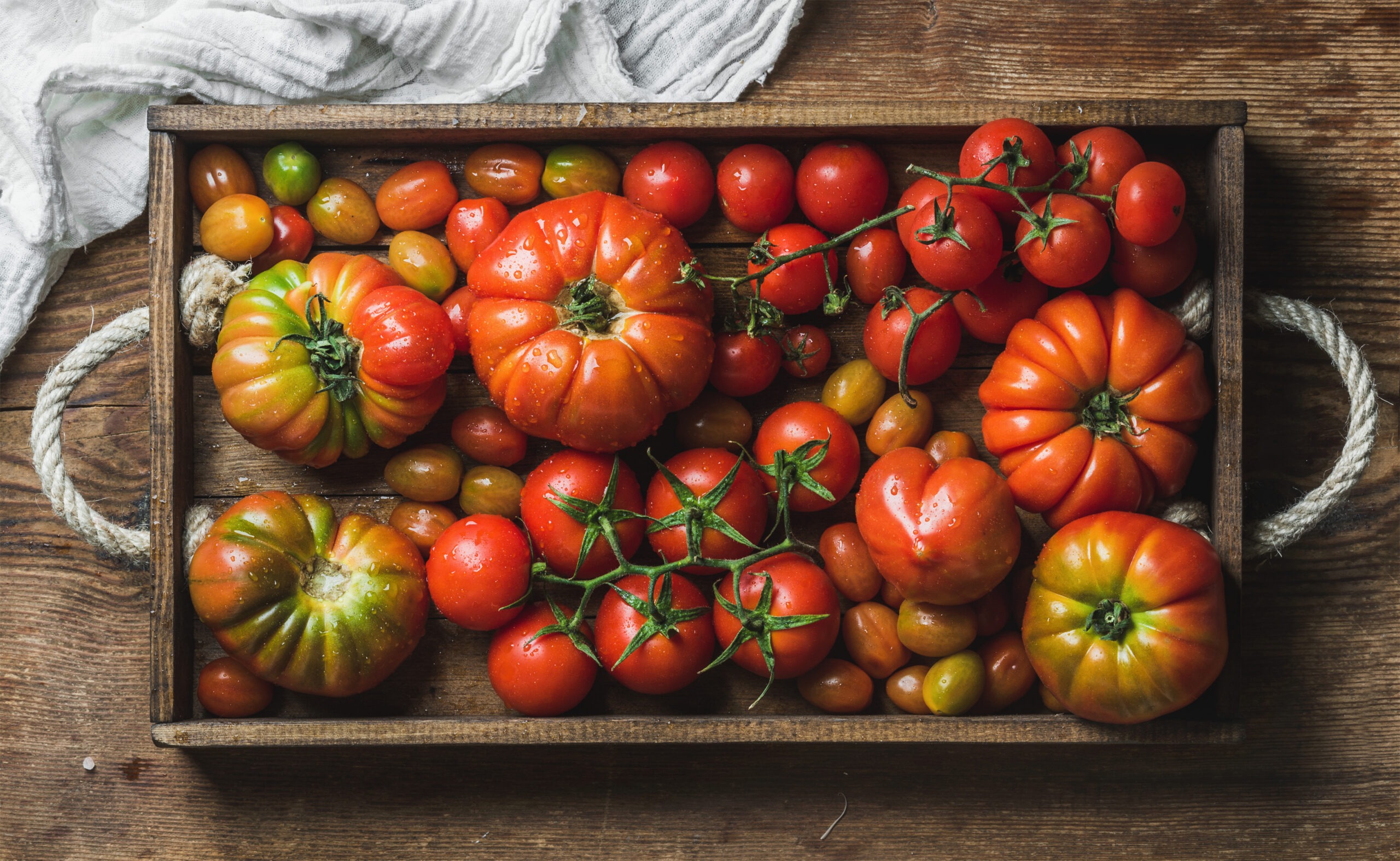
Walk into a garden centre or start browsing tomato seeds online and you’ll quickly discover that choosing a tomato isn’t as simple as picking “tomato seeds.”
There are hundreds of varieties.
Cherry tomatoes. Plum tomatoes. Beefsteaks. Bush tomatoes. Cordon tomatoes. Outdoor varieties. Greenhouse varieties.
For a beginner, it can become confusing surprisingly quickly.
The good news is that choosing the right tomato becomes much easier once you know where you’re going to grow it and what you want to use the tomatoes for.
Some varieties are perfect for hanging baskets and patios. Others will happily climb towards the roof of a greenhouse. Some produce hundreds of small sweet tomatoes, while others concentrate their energy into a smaller number of enormous fruits.
Here’s how to choose the right tomato for your garden.
Tomato Types at a Glance
| Type | Best For | Space Needed | Support | Difficulty |
|---|---|---|---|---|
| Cherry | Salads and snacking | Small–medium | Depends on variety | Easy |
| Plum | Sauces and cooking | Medium | Usually | Easy–moderate |
| Beefsteak | Slicing and sandwiches | Large | Yes | Moderate |
| Cordon | Greenhouses and high yields | Tall/narrow | Yes | Moderate |
| Bush | Pots and patios | Short/wide | Minimal | Easy |
| Dwarf | Small spaces | Very small | Minimal | Easy |
But there’s an important distinction to understand before choosing.
First: Cordon or Bush?
This is arguably more important than whether you want cherry or plum tomatoes.
Tomato plants have different:
growth habits.
The two main types you’ll encounter are:
cordon tomatoes and bush tomatoes.
What Is a Cordon Tomato?
Cordon tomatoes are also called:
indeterminate tomatoes.
They continue growing upwards throughout the season.
Given enough time and favourable conditions, they can become very tall.
They’re normally trained as one main stem and supported using:
- Canes
- String
- Stakes
- Tomato supports
Side shoots that develop between the main stem and leaves are usually removed.
Cordon tomatoes are best for:
- Greenhouses
- Polytunnels
- Sunny sheltered positions
- Gardeners wanting large harvests
- Gardens with limited horizontal space
Because they grow vertically, you can produce a surprising amount of fruit from a relatively small footprint.
What Is a Bush Tomato?
Bush tomatoes are also called:
determinate tomatoes.
Instead of continuously growing upwards, they form shorter, bushier plants.
They’re usually easier for beginners because they require less training.
And unlike cordon tomatoes:
you generally don’t remove their side shoots.
Doing so can reduce your crop.
Bush tomatoes are best for:
- Containers
- Patios
- Raised beds
- Smaller gardens
- Beginners
Some compact varieties can even grow successfully in hanging baskets.
Cordon vs Bush Tomatoes
| Cordon | Bush | |
|---|---|---|
| Growth | Tall | Compact |
| Side shoots removed | Yes | Usually no |
| Support needed | Yes | Sometimes |
| Best location | Greenhouse/bed | Pots/patio |
| Training required | Yes | Minimal |
| Space | Vertical | Wider |
| Beginner friendly | Yes, with some care | Very |
If you’re completely new to growing tomatoes and just want something straightforward:
a bush cherry tomato is difficult to beat.
Cherry Tomatoes
Cherry tomatoes produce masses of small fruits.
They’re usually:
- Sweet
- Juicy
- Productive
- Quick to ripen
They’re one of my favourite recommendations for beginners.
Why?
Because you’re more likely to get:
lots of ripe tomatoes.
That’s particularly useful in the UK, where the growing season isn’t always long enough for large tomatoes to ripen reliably outdoors.
Good Cherry Tomato Varieties
Gardener’s Delight
One of the classic British favourites.
Produces plenty of sweet cherry tomatoes.
Growth: Cordon
Best for: Greenhouses and sunny outdoor positions.
Sungold
Famous for extremely sweet orange fruits.
It’s vigorous and productive.
Growth: Cordon
Best for: Gardeners prioritising flavour.
Tumbling Tom
A compact trailing tomato.
Growth: Bush
Best for: Hanging baskets, containers and patios.
Maskotka
A compact bush variety producing plenty of cherry-sized fruit.
Best for: Containers and small spaces.
Who Should Grow Cherry Tomatoes?
I’d recommend them if:
- You’re growing tomatoes for the first time
- You have children who enjoy picking them
- You want tomatoes for salads
- You’re growing outdoors
- You want a large number of fruits
- You have limited space
They’re probably the safest starting point for a beginner.
Plum Tomatoes
Plum tomatoes are usually:
oval or elongated
rather than round.
They tend to contain more flesh and less watery juice than many salad tomatoes.
That makes them excellent for cooking.
They’re particularly useful for:
- Tomato sauce
- Pasta
- Pizza
- Soups
- Passata
- Preserving
If you grow tomatoes primarily to cook with them, plum varieties deserve serious consideration.
Popular Plum Tomatoes
Roma
One of the best-known plum tomatoes.
Produces fleshy fruits ideal for sauces.
Best for: Cooking and preserving.
San Marzano
A famous Italian plum tomato traditionally associated with sauces.
The fruits are elongated and meaty.
Best for: Pasta sauces and pizza.
Are Plum Tomatoes Good for Beginners?
Yes, although I’d still put cherry tomatoes slightly ahead for reliability.
Larger plum tomatoes need enough warmth and sunlight to ripen properly.
A greenhouse or very sunny sheltered position can help enormously.
Beefsteak Tomatoes
Now we’re getting into the giants.
Beefsteak tomatoes produce:
large, heavy fruits.
Individual tomatoes can be several times the size of a cherry tomato.
They’re excellent sliced for:
- Burgers
- Sandwiches
- Salads
- Toast
- Cooking
There’s something extremely satisfying about picking a huge tomato you’ve grown yourself.
But they’re not necessarily where I’d start as a complete beginner.
Why Are Beefsteak Tomatoes More Challenging?
Large fruits require:
more time and energy to mature.
In the UK’s relatively short growing season, this can be problematic.
Plants can end up covered in enormous green tomatoes as autumn approaches.
Growing them in a:
greenhouse or polytunnel
gives you a much better chance of fully ripening the crop.
Popular Beefsteak Tomatoes
Marmande
A traditional large, ribbed tomato with excellent flavour.
Best for: Greenhouses and sheltered outdoor positions.
Brandywine
An old favourite producing large fruits known for their flavour.
Best for: Gardeners willing to trade maximum productivity for excellent tomatoes.
Salad Tomatoes
Standard medium-sized round tomatoes are often described as:
salad tomatoes.
They sit somewhere between cherry tomatoes and large beefsteaks.
They’re extremely versatile.
Use them for:
- Salads
- Sandwiches
- Cooking
- Roasting
- Breakfasts
If you only want to grow one traditional tomato type, a good salad variety makes sense.
Tomatoes for Hanging Baskets
You don’t need a vegetable garden to grow tomatoes.
Some varieties are specifically suited to:
hanging baskets.
Look for compact trailing bush varieties.
Excellent examples include:
Tumbling Tom
and similar compact varieties.
The plants spill over the edge of the basket while producing clusters of tomatoes.
They’re both productive and decorative.
Tomatoes for Containers
Tomatoes grow brilliantly in containers.
But choose the variety according to the size of your pot.
For small patios and balconies, look for:
- Bush tomatoes
- Dwarf tomatoes
- Cherry tomatoes
For larger containers, you can grow cordon varieties with strong support.
Remember that container tomatoes need:
more frequent watering and feeding
than plants growing directly in the ground.
Tomatoes for Greenhouses
If you have a greenhouse, your options increase considerably.
I’d usually make good use of the vertical space with:
cordon tomatoes.
Train the plants upwards using string or canes.
Greenhouses are particularly useful for:
- Beefsteak tomatoes
- Large salad tomatoes
- Plum tomatoes
- Longer-season varieties
The extra warmth helps fruit ripen.
Tomatoes for Growing Outdoors
If you’re growing completely outdoors in the UK, I’d favour:
early and relatively quick-ripening varieties.
Cherry tomatoes are particularly useful.
Choose the sunniest, most sheltered part of your garden.
A south-facing wall can create an excellent microclimate.
In cooler parts of the UK, variety choice becomes even more important.
Tomatoes for Cooler UK Gardens
If you’re gardening in:
- Scotland
- Northern England
- Exposed locations
- Higher elevations
I’d prioritise:
early-maturing varieties with smaller fruits.
Large beefsteaks can still be grown, particularly under cover, but smaller tomatoes generally ripen more reliably outdoors.
Don’t simply choose a tomato because the picture on the seed packet looks impressive.
Check:
days to maturity and recommended growing conditions.
Tomatoes for Small Gardens
If space is limited, you have two good strategies.
Grow upwards
Choose a cordon tomato and train it vertically.
Or:
Grow compact
Choose a dwarf or bush variety in a container.
You can even combine tomatoes with other crops around the patio.
A sunny space measuring only a few square metres can produce a surprising amount of food.
Tomatoes for Beginners
If you’ve never grown tomatoes before, I’d keep things simple.
My three suggestions would be:
Gardener’s Delight
A classic choice if you want to learn how to train a cordon tomato.
Tumbling Tom
Excellent if you want something easier in a container or hanging basket.
Sungold
A superb choice if flavour is your priority.
Start with:
two or three plants rather than twenty.
You’ll learn far more from caring properly for a few plants.
Which Tomato Has the Best Flavour?
This is extremely subjective.
However, varieties such as:
Sungold
and many heritage tomatoes have strong reputations for flavour.
Don’t assume the biggest tomato will taste best.
Small cherry tomatoes often have an intense sweetness that makes supermarket tomatoes seem remarkably bland by comparison.
Hybrid vs Heritage Tomatoes
You’ll also encounter tomatoes described as:
F1 hybrids and heritage varieties.
F1 Hybrid Tomatoes
These are produced by crossing carefully selected parent varieties.
They may offer advantages such as:
- Disease resistance
- Uniform fruits
- High yields
- Vigorous growth
However, seeds saved from F1 tomatoes won’t reliably produce plants identical to the parent.
Heritage Tomatoes
Heritage or heirloom varieties have been maintained over generations.
They’re often chosen for:
- Flavour
- Unusual colours
- Interesting shapes
- Tradition
You can usually save seed from open-pollinated heritage varieties, although cross-pollination can affect future plants.
Disease Resistance
Don’t ignore disease resistance when choosing tomatoes.
One of the biggest problems UK growers face is:
tomato blight.
Outdoor plants can be particularly vulnerable during warm, damp weather.
Some modern varieties have been bred with improved blight resistance.
If you’ve previously struggled with blight, choosing a resistant variety can make considerably more difference than choosing purely on fruit colour or size.
Should You Grow More Than One Variety?
Yes.
In fact, I’d recommend it.
Growing several varieties spreads the risk and gives you different tomatoes for different uses.
For example:
Plant 1 – Sungold
Sweet cherry tomatoes for eating straight from the plant.
Plant 2 – Gardener’s Delight
Reliable everyday salad tomatoes.
Plant 3 – Roma
Plum tomatoes for sauces.
Plant 4 – Marmande
Large tomatoes for slicing.
You’ve now got four plants producing completely different crops.
How Many Tomato Plants Do You Need?
Tomato plants can be extremely productive.
For someone growing for one or two people:
3–5 healthy plants
can produce plenty of tomatoes.
A family that eats lots of tomatoes or wants to make sauces may want considerably more.
Remember that ten well-maintained plants are usually more useful than thirty overcrowded ones.
Choosing Tomatoes by What You Want to Eat
An easy way to decide is to work backwards from your kitchen.
| You Want | Choose |
|---|---|
| Sweet snacks | Cherry |
| Salads | Cherry or salad |
| Sandwiches | Beefsteak |
| Burgers | Beefsteak |
| Pasta sauce | Plum |
| Pizza sauce | Plum |
| Hanging baskets | Trailing bush |
| Lots of tomatoes | Cherry/cordon |
| Something unusual | Heritage |
Choosing Tomatoes by Where You’ll Grow Them
Hanging Basket
Choose:
Trailing bush cherry tomato
Small Patio Pot
Choose:
Bush or dwarf tomato
Large Container
Choose:
Bush or supported cordon
Raised Bed
Choose:
Bush or cordon
Greenhouse
Choose:
Cordon
Sunny Outdoor Border
Choose:
Early-ripening outdoor variety
Cooler Garden
Choose:
Early cherry or smaller-fruited variety
My Choice for a Complete Beginner
If someone told me:
“I’ve never grown a tomato before. Just tell me what to buy.”
I’d suggest starting with:
a cherry tomato.
If you have a greenhouse:
Gardener’s Delight or Sungold.
If you only have a patio or balcony:
Tumbling Tom or another compact bush cherry variety.
Cherry tomatoes give beginners several advantages.
They ripen relatively quickly.
They’re extremely productive.
You can harvest them gradually.
And they’re usually easier to ripen successfully in typical UK conditions than enormous beefsteak tomatoes.
Once you’ve successfully grown those, start experimenting.
That’s when tomato growing becomes addictive.
What You’ll Need
Whichever variety you choose, the basic equipment is similar.
I’d recommend:
Tomato seeds or young plants
Good-quality compost
Large containers or grow bags
Tomato feed
Watering can
For cordon tomatoes:
Canes or tomato supports
For outdoor growing:
A sheltered sunny position
[See Our Recommended Tomato Seeds →]
[See Our Recommended Tomato Grow Bags →]
[See Our Recommended Tomato Feed →]
[See Our Recommended Tomato Supports →]
[See Our Recommended Tomato Planters →]
[Essential Equipment Every Gardener Needs →]
Tomato Variety FAQs
What’s the easiest tomato for beginners to grow?
Cherry tomatoes are generally an excellent starting point because they’re productive and their smaller fruits tend to ripen relatively quickly.
What’s the difference between bush and cordon tomatoes?
Cordon tomatoes grow continuously upwards and need training and side-shoot removal. Bush tomatoes remain shorter and generally require much less training.
Should I remove side shoots from bush tomatoes?
Generally no. Bush tomatoes naturally produce multiple productive stems.
What’s the best tomato for hanging baskets?
Compact trailing bush varieties such as Tumbling Tom are designed for this type of growing.
What’s the best tomato for making sauce?
Plum tomatoes such as Roma and San Marzano are popular because they produce fleshy fruits particularly suited to cooking.
What’s the best tomato for sandwiches?
Large beefsteak tomatoes are excellent for slicing.
What’s the best tomato for a greenhouse?
Cordon varieties make excellent use of greenhouse height and the protected environment allows you to grow larger and longer-season varieties.
What’s the best tomato for growing outdoors in the UK?
Look for early-ripening varieties suited to outdoor growing. Smaller-fruited varieties can be particularly reliable.
Can I grow beefsteak tomatoes outdoors?
Yes, especially in warm, sheltered gardens. However, a greenhouse gives large-fruited varieties more time and warmth to ripen.
How many tomato varieties should I grow?
There’s no rule, but growing two or three different types gives you different flavours and uses while spreading the risk if one variety performs poorly.
Are F1 tomatoes better than heritage tomatoes?
Neither is automatically better. F1 varieties may offer greater uniformity and disease resistance, while heritage varieties are often grown for distinctive flavour, appearance and tradition.
Final Thoughts
There isn’t one “best” tomato.
There’s a:
best tomato for your garden.
Before buying seeds, ask yourself three questions:
Where am I growing it?
How much space do I have?
What do I actually want to do with the tomatoes?
If you’re growing in a hanging basket, choose a trailing bush variety.
If you have a greenhouse, make use of the height with cordon tomatoes.
If you want pasta sauce, grow plum tomatoes.
If you want enormous slices for burgers, try beefsteaks.
And if you’re completely new to growing tomatoes?
Start with cherry tomatoes.
They’re productive, relatively forgiving and there’s something particularly satisfying about walking into the garden on a summer afternoon and picking a warm, perfectly ripe tomato straight from the plant.
Once you’ve experienced that, supermarket tomatoes have a difficult job competing.
Continue Your Grow Your Own Journey
A Beginner’s Guide to Growing Tomatoes
[How to Grow Tomatoes in Containers →]
[How to Grow Tomatoes in a Greenhouse →]
[How to Feed Tomato Plants →]
[How to Prevent Tomato Blight →]
[What Vegetables Should Beginners Grow? →]