Gardeners Guide · Grow your own
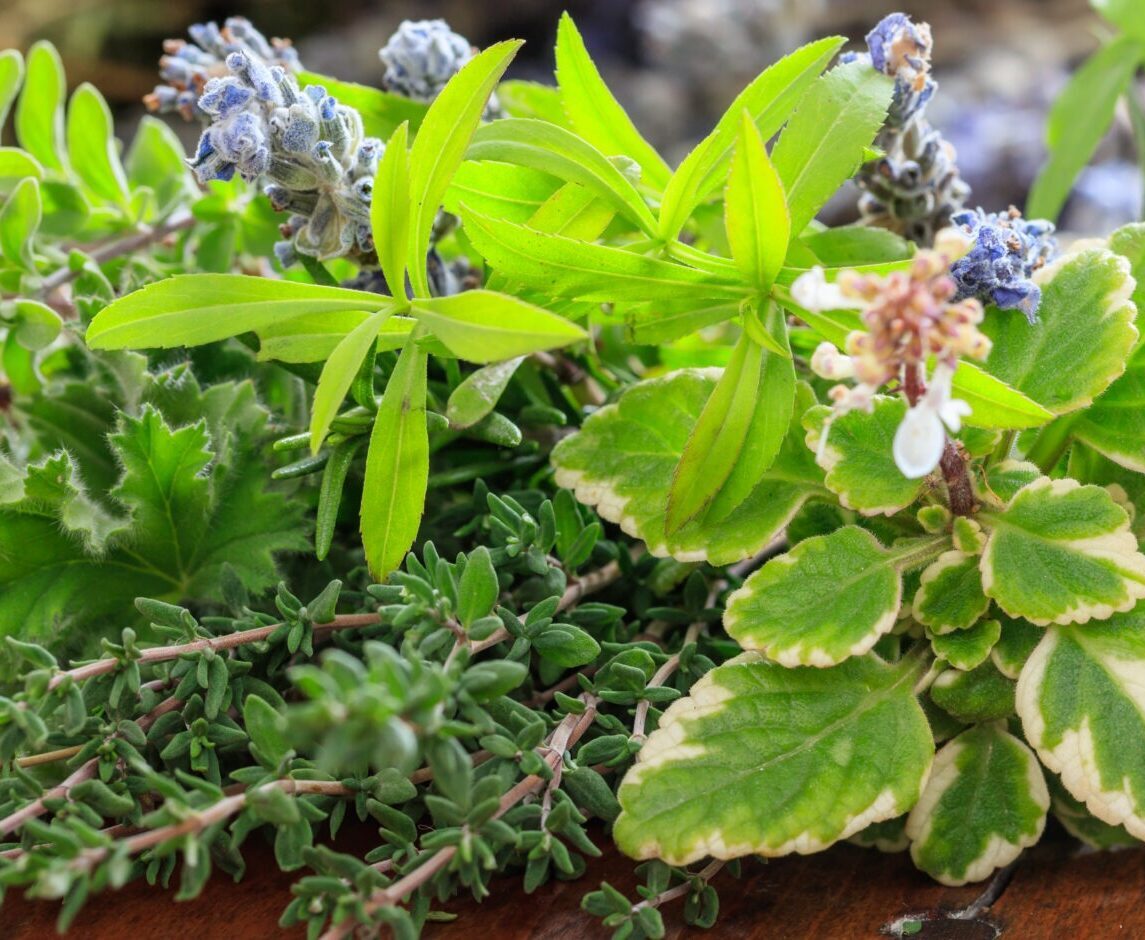
If you’re completely new to growing your own food, herbs might be the best place to start.
You don’t need a vegetable garden.
You don’t even necessarily need a garden.
Many herbs will happily grow in containers outside the kitchen door, on a balcony or on a bright windowsill.
And unlike many crops, you can harvest small amounts whenever you need them.
Which Herbs Should Beginners Grow?
There are dozens to choose from, but some excellent options include:
- Basil
- Parsley
- Chives
- Mint
- Thyme
- Rosemary
- Coriander
- Sage
- Oregano
Don’t try growing everything immediately.
Start with three or four herbs you actually use in the kitchen.
Growing Herbs From Seed
Many herbs are easy to grow from seed.
Basil, parsley, coriander and chives are popular examples.
Follow the sowing instructions for the particular variety because germination requirements vary.
Buying Herb Plants
There’s nothing wrong with skipping seeds entirely.
Buying established young plants from a garden centre gives you an instant herb garden and can be much easier for beginners.
Where Should Herbs Grow?
Different herbs prefer different conditions.
Mediterranean herbs such as rosemary and thyme generally appreciate sunshine and excellent drainage.
Others can cope with somewhat different conditions.
Instead of planting every herb together simply because they’re all herbs, group plants according to their individual requirements.
Growing Herbs in Containers
Containers are ideal for herbs.
You can keep them near the kitchen, move them when necessary and control the growing conditions more easily.
Make sure every pot has adequate drainage.
Be Careful With Mint
Mint deserves its own warning.
It’s incredibly easy to grow.
Sometimes too easy.
Plant mint directly into a border and its underground growth can spread rapidly.
Growing mint in a container is an easy way to keep it under control.
Watering Herbs
Don’t treat every herb identically.
Basil in a container during warm weather may require regular watering, while established Mediterranean herbs generally dislike permanently wet conditions.
Learn what each plant prefers rather than following one watering schedule for everything.
Harvest Herbs Regularly
Regular harvesting can encourage many herbs to produce fresh growth.
Use clean scissors or secateurs and avoid stripping too much from a young plant at once.
With leafy herbs such as basil, regular picking can help keep plants bushy.
What Should You Do When Herbs Flower?
That depends on what you’re growing them for.
If you’re primarily growing a leafy herb such as basil, removing developing flower heads can help prolong leaf production.
But flowering herbs can also be excellent for bees and other pollinating insects.
Allowing some plants to flower can therefore be worthwhile.
Are Herbs Perennial?
Some are.
Rosemary, thyme, sage, mint and chives can live for multiple years under suitable conditions.
Others are grown as annuals or have shorter useful lifespans.
Knowing which type you’re growing helps you decide what to do with it at the end of summer.
Five Beginner Herb-Growing Mistakes
- Growing herbs you never cook with.
- Overwatering Mediterranean herbs.
- Planting mint somewhere it can take over.
- Not harvesting regularly.
- Assuming every herb wants exactly the same conditions.
Are Herbs Worth Growing?
Absolutely—and they’re probably the easiest place to begin growing your own food.
Start with a pot of chives, parsley and thyme near the kitchen.
Add some basil during summer and keep your mint safely contained in its own pot.
Before long, buying tiny plastic packets of herbs from the supermarket starts to seem rather unnecessary.
Gardeners Guide — Grow Better. Garden Smarter.