Gardeners Guide · Grow your own
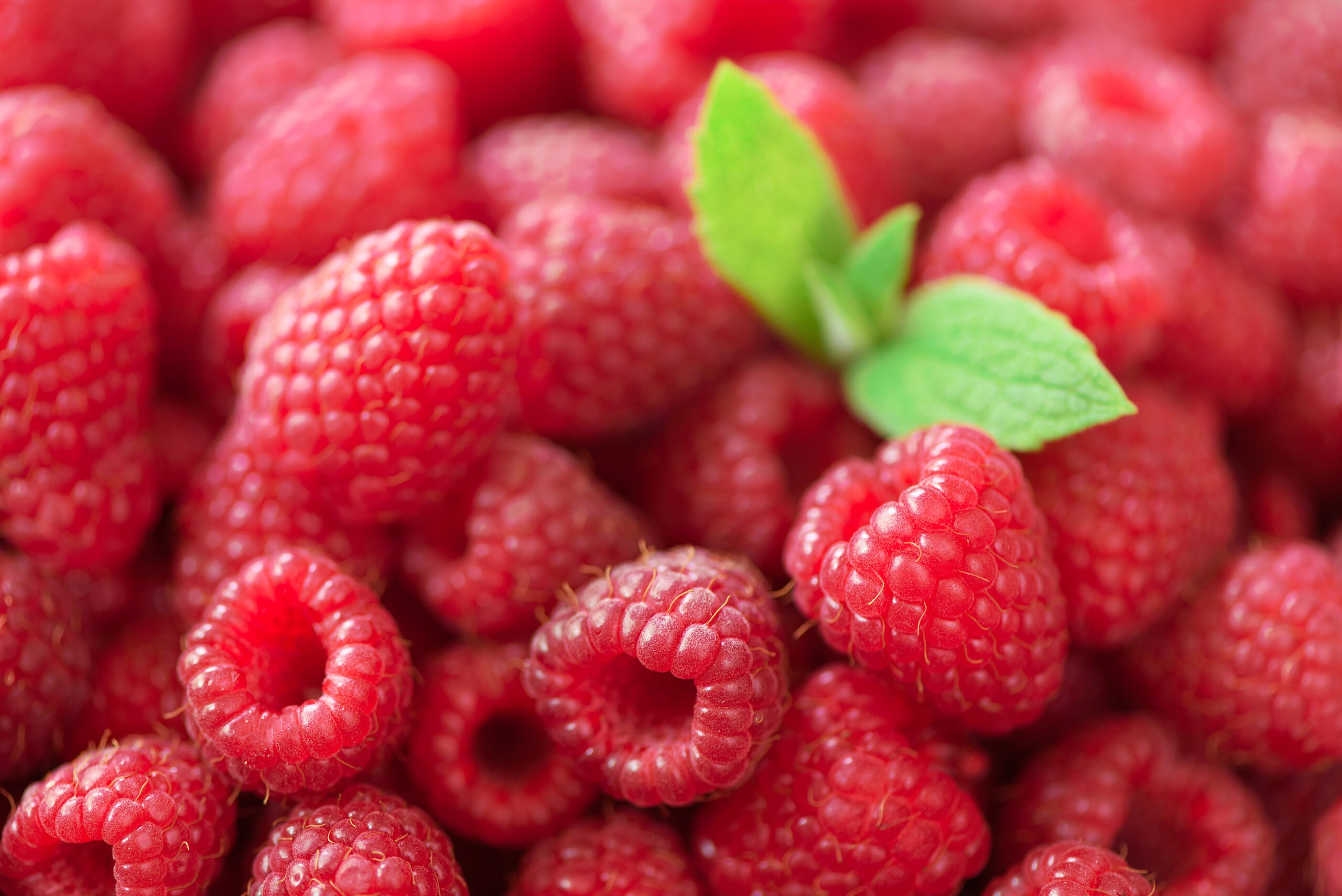
Raspberries are one of the best fruits you can add to a garden.
Unlike annual vegetables that need starting again every spring, establish a healthy raspberry patch and it can reward you with fruit year after year.
Summer or Autumn Raspberries?
This is the first distinction beginners need to understand.
Summer-Fruiting Raspberries
These generally produce fruit on canes that grew during the previous year.
Autumn-Fruiting Raspberries
These fruit on growth produced during the current season.
This difference matters enormously when it comes to pruning.
Where Should You Plant Raspberries?
Choose fertile, well-drained soil.
A sunny position generally produces the best crops, although raspberries can tolerate some light shade.
Avoid areas that regularly become waterlogged.
How to Plant Raspberries
Bare-root raspberry canes are commonly planted during the dormant season when conditions are suitable.
Prepare the ground thoroughly and incorporate well-rotted organic matter where appropriate.
Give the plants sufficient space and water them after planting.
Supporting Raspberry Canes
Summer-fruiting raspberries in particular can benefit from a post-and-wire support system.
Tie canes onto the wires to prevent them flopping around and make harvesting easier.
Watering Raspberries
Keep newly planted raspberries watered while they establish.
Established plants may also need additional water during prolonged dry periods, particularly while fruit is developing.
Mulching
A layer of organic mulch around the plants can help conserve moisture and suppress weeds.
Keep excessive mulch away from direct contact with the stems.
Protect Your Harvest
Birds love raspberries just as much as we do.
If they’re taking too much of your crop, a properly installed fruit cage or suitable netting can help.
Always make sure netting doesn’t pose a trapping risk to wildlife.
How Do You Prune Raspberries?
This is where knowing your raspberry type becomes important.
For autumn-fruiting raspberries, all the canes are generally cut down close to ground level during the dormant season.
For summer-fruiting raspberries, remove the old canes that have already produced fruit while retaining healthy new canes for next year’s crop.
Don’t accidentally cut everything down if you have summer-fruiting plants.
Harvesting Raspberries
A ripe raspberry should come away from the plant relatively easily.
Pick regularly because the fruit doesn’t remain at its best for long.
And, like strawberries, there’s absolutely nothing wrong with eating a few before they reach the kitchen.
Are Raspberries Worth Growing?
Definitely.
They’re relatively straightforward, productive and can remain in your garden for years.
The main thing beginners need to remember is whether they’re growing summer or autumn-fruiting varieties.
Get the pruning right and the rest is surprisingly easy.
Gardeners Guide — Grow Better. Garden Smarter.